Loading...

Prefab Homes 2025: Cut Build Times in Half | MultiHB.com | Multi HB - Home Building, Construction Trends, Financing New Homes
Skip to main content
MULTI HB
HomeBudgeting & FinancingConstruction Materials & MethodsConstruction TrendsContractors & Project ManagementSearch
  1. Home
  2. /
  3. Construction Trends
  4. /
  5. Prefab Homes Cut Build Time in Half by 2025
Construction Trends

Prefab Homes Cut Build Time in Half by 2025

byBecca Woods
2025-09-22 15:37:27September 22, 2025
5 min read
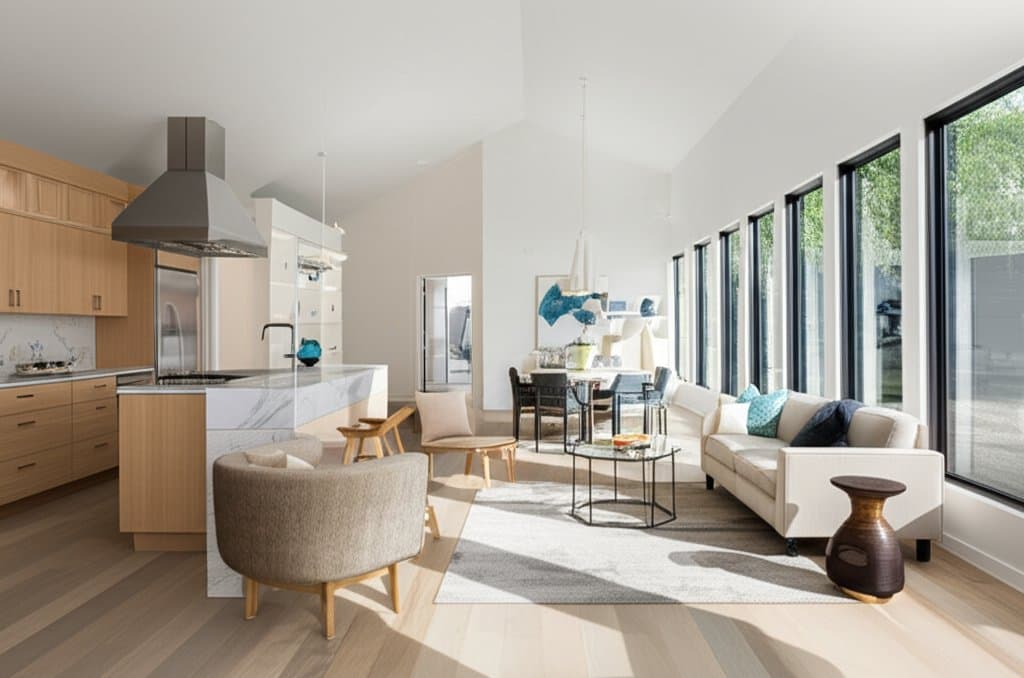
Featured image for Prefab Homes Cut Build Time in Half by 2025
2025-09-29 03:02:32
Multi HB - Home Building, Construction Trends, Financing New Homes

Prefab Homes in 2025: Revolutionizing Construction with Speed and Sustainability

Imagine stepping into a newly built home where every detail aligns perfectly, from seamless wall panels to a kitchen that feels ready to host your first dinner. This is the reality of prefab homes in 2025, a solution that delivers speed, efficiency, and sustainability. Whether you are a homebuyer, builder, or policymaker, understanding the potential of modular construction offers a clear path to address housing shortages and environmental challenges. This article explores why prefab homes are transforming the industry and how you can leverage this trend.

Why Prefab Homes Are the Future of Building

The convergence of housing crises, escalating construction costs, and the urgent need for carbon reduction has propelled modular construction into the spotlight. Global spending on offsite construction reached 143 billion USD last year, with projections estimating a rise to 173.5 billion USD in 2025. These numbers reflect more than just market expansion; they signal a shift toward faster, greener building methods that deliver tangible results. Prefab homes are no longer a niche experiment but a mainstream answer to pressing global needs.

How Prefab Construction Works Today

Modern modular construction completes up to 80 percent of a home in factory settings before it ever reaches the building site. This approach slashes traditional build times of 12 to 18 months down to just 6 to 9 months for many projects. Factory-controlled environments also cut material waste by 30 to 45 percent and eliminate weather-related delays, ensuring schedules stay on track. From Los Angeles to Sydney, cities are embracing prefab with incentives to meet housing demands, while markets like the Asia-Pacific region and the United States (with 55.7 billion USD in activity this year) lead the charge.

Policy support further accelerates adoption. In the United States, tax credits reward energy-efficient modular designs, while the European Green Deal funds prefabricated retrofits. Australian states streamline approvals for multi-family modular projects, reducing barriers for developers and buyers alike.

Key Trends Driving Prefab Homes in 2025

Sustainable Building Materials

Manufacturers now prioritize eco-friendly options like cross-laminated timber, recycled steel, and low-carbon concrete. These materials reduce embodied carbon by 30 to 40 percent compared to traditional construction methods. Choosing sustainable prefab designs not only lowers environmental impact but also aligns with growing regulatory and consumer demand for green building.

Smart Technology Integration

Prefab homes in 2025 come equipped with smart features installed during factory assembly. Energy management systems, sensors, and pre-wired controls ensure immediate functionality upon delivery. Many modules meet stringent low-energy standards straight from production, offering homeowners efficiency from day one.

Hybrid Construction Models

Developers increasingly blend offsite modules with onsite customizations like unique facades or rooftop gardens. This hybrid approach maintains the speed and cost benefits of prefab while allowing for personalized design. It strikes a balance between efficiency and individuality, appealing to a wider range of projects.

Evolving Financing Options

Financial systems are adapting to support prefab growth. Lenders now provide construction-to-permanent loans recognizing factory milestones, while municipalities issue green bonds linked to carbon reduction goals for modular projects. These innovations unlock new funding streams, making prefab accessible to more stakeholders.

Actionable Steps for Every Role

For Homebuyers

  • Request a factory-built package to ensure most construction occurs under controlled conditions, minimizing errors.
  • Seek homes with Energy Star or Passive House certifications to maximize energy savings through high-performance insulation and airtight sealing.
  • Research local government incentives, which can reduce costs by 5 to 15 percent through rebates or fast-track permitting.

For Builders and Developers

  1. Collaborate with certified factories holding ISO 9001 and ISO 14001 standards, ensuring they can produce at least 10 units monthly for scalability.
  2. Implement Building Information Modeling (BIM) to coordinate systems and detect design conflicts before onsite work begins.
  3. Standardize components like bathroom or kitchen pods to streamline design and reduce costs through economies of scale.
  4. Plan logistics meticulously by auditing site access, road limits, and crane capacity to avoid delivery delays.

For Policymakers

Establish modular-friendly zones with pre-approved building codes and offer tax abatements for projects meeting specific carbon reduction targets. Fund pilot initiatives that demonstrate how prefab can align with local aesthetics and community priorities. These steps can accelerate adoption and address housing needs effectively.

Real-World Success Stories

In 2025, projects worldwide showcase prefab potential. An eight-month Eco Village in Austin used cross-laminated timber and solar storage to alleviate local housing shortages. Singapore saw a 30-story mixed-use tower completed in half the usual time with a prefabricated steel core and AI-designed facade. Manchester’s 80-home development achieved zero-carbon status using recycled steel and passive house standards, cutting operational costs significantly over five years.

What to Expect in the Coming Year

Factories powered by renewable energy will further reduce the carbon footprint of modular homes. Large-format 3D printing is emerging to create structural panels, combining with prefab assembly for greater design flexibility and cost savings. Efforts toward unified modular building codes could simplify cross-border approvals, speeding up global adoption.

Seizing the Prefab Opportunity

Prefab homes in 2025 offer a proven way to build faster, reduce waste, and meet sustainability goals. Homebuyers should prioritize certified designs and local incentives, builders must refine logistics and technology use, and policymakers can pave the way with supportive frameworks. By acting now, you can play a direct role in shaping a more efficient and sustainable future for housing.

Recent Articles by Becca Woods

Image for Biochar Concrete Cuts Building Emissions by 40%

Biochar Concrete Cuts Building Emissions by 40%

June 14, 2026
Image for DSCR Loans Let Builders Finance on Cash Flow Not W2s

DSCR Loans Let Builders Finance on Cash Flow Not W2s

June 14, 2026
Image for 2-1 Buydown Eases First Years of Homeownership

2-1 Buydown Eases First Years of Homeownership

June 3, 2026
Image for Battery Pre-Wiring: The Renovation Mistake I Made So You Don't Have To

Battery Pre-Wiring: The Renovation Mistake I Made So You Don't Have To

May 31, 2026
Image for Builder Rate Buydowns: The New 2026 Sales Strategy

Builder Rate Buydowns: The New 2026 Sales Strategy

May 28, 2026

Construction Trends

Battery Pre-Wiring: The Renovation Mistake I Made So You Don't Have To

Pre-wiring homes for batteries during construction saves thousands in future retrofits, boosts property value, and ensures compliance with evolving energy codes. It is a small step that makes adding solar storage seamless later.

May 31, 2026

Building Homes That Can Weather Fire and Flood

New 2026 building rules emphasize homes that withstand floods and fires through smarter design, durable materials, and climate-specific planning. From raised foundations to ember-resistant roofs, resilience now blends seamlessly with comfort and style. Thoughtful design choices protect families, reduce long-term costs, and reconnect modern living with the natural environment.

May 21, 2026

Mass Timber High-Rises Reshape City Skylines by 2026

Mass timber high-rises are transforming skylines as code approvals unlock taller wooden structures. Engineered timber offers strength, speed, and carbon benefits compared with steel and concrete.

May 20, 2026

Battery-Ready Homes Keep Power During Outages

Categories

Budgeting & Financing
Construction Materials & Methods
Construction Trends
Contractors & Project Management
Design & Floor Plans
Home Building Basics
Homeowner Tips & Maintenance
Inspections & Quality Checks
Renovation & Additions
Sustainability & Energy Efficiency

Your comprehensive resource for home building expertise, construction insights, and financing strategies to help you build your dream home efficiently and cost-effectively.

Categories

Budgeting & FinancingConstruction Materials & MethodsConstruction TrendsContractors & Project ManagementDesign & Floor PlansHome Building BasicsHomeowner Tips & MaintenanceInspections & Quality Checks

Links

  • Home
  • Search Articles
  • About Us
  • Privacy Policy
  • Terms of Service

© 2026 Multi HB. All rights reserved.

By 2026, new constructions incorporate battery-ready features for effortless power wall and solar integration. These homes deliver energy autonomy, cost savings, and outage resilience, benefiting builders and residents through sustainable, adaptable designs that transform residences into efficient energy centers.

April 29, 2026

Mass Timber Buildings Store Carbon While Replacing Steel

Mass timber drives a fivefold rise in sustainable projects, using engineered wood such as CLT to deliver structural strength, faster builds, and carbon sequestration. This material reduces emissions, enhances building aesthetics, and fosters human-centered spaces that blend resilience with natural warmth and environmental stewardship.

April 28, 2026

Mass Timber Towers Reach New Heights in 2026 Codes

Mass timber construction ascends to new levels with the 2026 building codes, permitting taller structures built from cross-laminated timber. These advancements promote safer designs, accelerated construction timelines, and reduced environmental impact, marking a transformative phase in sustainable urban development for architects, builders, and developers.

April 25, 2026

Mass Timber Towers: 2026 Codes Unlock Costs & Gains

The 2026 building codes propel mass timber towers toward mainstream adoption, enabling taller structures, accelerated construction, and superior sustainability. Cost efficiencies, greater design versatility, and carbon sequestration advantages position engineered wood as a viable alternative to steel and concrete. These changes redefine urban skylines, project budgets, and architectural innovation.

April 19, 2026

Mass Timber Brings Warmth and Carbon Storage to High-Rises

Mass timber revolutionizes multi-family high-rises by integrating sustainability, durability, and natural warmth into urban architecture. Engineered solutions such as cross-laminated timber enable quicker builds, reduced emissions, and appealing aesthetics that draw residents. With evolving regulations and stabilizing costs, mass timber paves the way for more intuitive, resident-centered vertical living by 2026.

April 17, 2026

Battery-Ready Panels Reshape How New Homes Handle Power

Effective 2026, new homes require battery-ready electrical panels, a pivotal advancement in construction. These systems facilitate seamless energy storage, improve blackout resistance, and promote efficient, intelligent energy practices. This innovation benefits builders, designers, and residents through proactive energy infrastructure.

March 20, 2026

Battery-Ready Homes Prepare for Energy Independence

Starting in 2026, new homes require wiring for future battery storage, simplifying the path to energy independence. This preparation facilitates seamless solar connections, cost-effective upgrades, and reliable power during outages. Understand how basic pre-wiring now positions your home for emerging energy technologies.

March 7, 2026

Insurance Now Rewards Storm-Ready Home Design

Starting in 2026, insurance providers will mandate features that enable homes to endure severe weather events, offering reduced premiums and superior coverage in return. Upgrades such as fortified roofs, enhanced drainage systems, and durable materials deliver substantial long-term savings and security. Identify essential modifications and strategies to fortify your property affordably.

March 5, 2026

Battery-Ready Wiring Saves Retrofit Costs Later

Pre-wiring a home for battery storage during initial construction in 2026 avoids costly retrofits and enables seamless addition of solar panels, EV chargers, and advanced energy systems. Strategic design decisions now promote long-term flexibility and efficiency. Explore practical steps to make your home resilient and energy-smart for the future.

March 3, 2026

Building Codes 2026: Protect Your Home Without Breaking Budget

The 2026 building codes raise the bar for fire, wind, and flood resilience—without requiring a sky-high budget. Smart planning, durable materials, and early design choices can protect your home, lower insurance costs, and boost long-term value. Build for safety, efficiency, and peace of mind from the foundation up.

March 2, 2026

2026 Building Codes Protect Against Climate Threats

The 2026 building codes prioritize resilience, incorporating fortified roofs, fire-resistant materials, and advanced drainage systems to safeguard homes from hurricanes, wildfires, and intensifying climate events. These standards empower homeowners and builders to create structures that endure disasters, minimize repairs, and provide enduring security in an era of escalating environmental challenges.

February 25, 2026

Mass Timber Towers Gain Code Approval for 2026 Builds

Mass timber towers achieve mainstream status through 2026 code approvals, facilitating taller, more sustainable structures. Engineered wood products such as cross-laminated timber and glulam deliver strength, rapid assembly, and environmental benefits. Developers, architects, and residents can anticipate warmer, efficient buildings that reduce carbon emissions in urban landscapes.

February 25, 2026

Mass Timber Rises: 15 States Greenlight Tall Wood Buildings

Fifteen states have approved building codes for tall mass timber structures, revolutionizing construction with sustainable, efficient alternatives to steel and concrete. These engineered woods offer strength, carbon sequestration, and a natural aesthetic that enhances urban environments and residential spaces alike.

February 24, 2026

Luxury Prefab Homes Now Match Custom Quality at $200K

Luxury prefab homes reshape contemporary housing by providing upscale aesthetics, integrated smart technologies, and superior energy performance at approximately $200,000. These residences assemble swiftly and adhere to budgets, merging ease, environmental responsibility, and personalization minus the challenges of conventional building. Learn why the 2026 prefab advancements render premium homes remarkably accessible.

February 15, 2026

2026 Building Codes: Homes That Resist Fire and Flood

The 2026 building codes advance home resilience against wildfires, floods, and extreme weather through innovative materials and designs. Fire-rated exteriors, elevated structures, and efficient drainage systems deliver durable, cost-effective protection and serenity amid climate uncertainties.

February 13, 2026

Mass Timber Apartments Finally Clear Fire Code Hurdle

The 2026 fire code revision unlocks opportunities for taller mass timber apartment buildings, emphasizing safety through advanced engineering. This change supports quicker construction timelines, reduced environmental impact, and appealing natural interiors. Learn how these updates are reshaping multifamily housing with wood-based innovation.

February 12, 2026

Homes Built to Survive Hurricanes Stand Firm in 2026

The 2026 hurricane-resistant building codes enhance home durability through reinforced connections, advanced materials, and improved water management. Initial investments yield reduced insurance costs, sustained property value, and enhanced security. Discover strategies in modern construction and upkeep to fortify your home against intense weather events.

February 6, 2026