Construction Trends

Featured image for 2026 Building Codes Protect Against Climate Threats

2026 Building Codes Protect Against Climate Threats

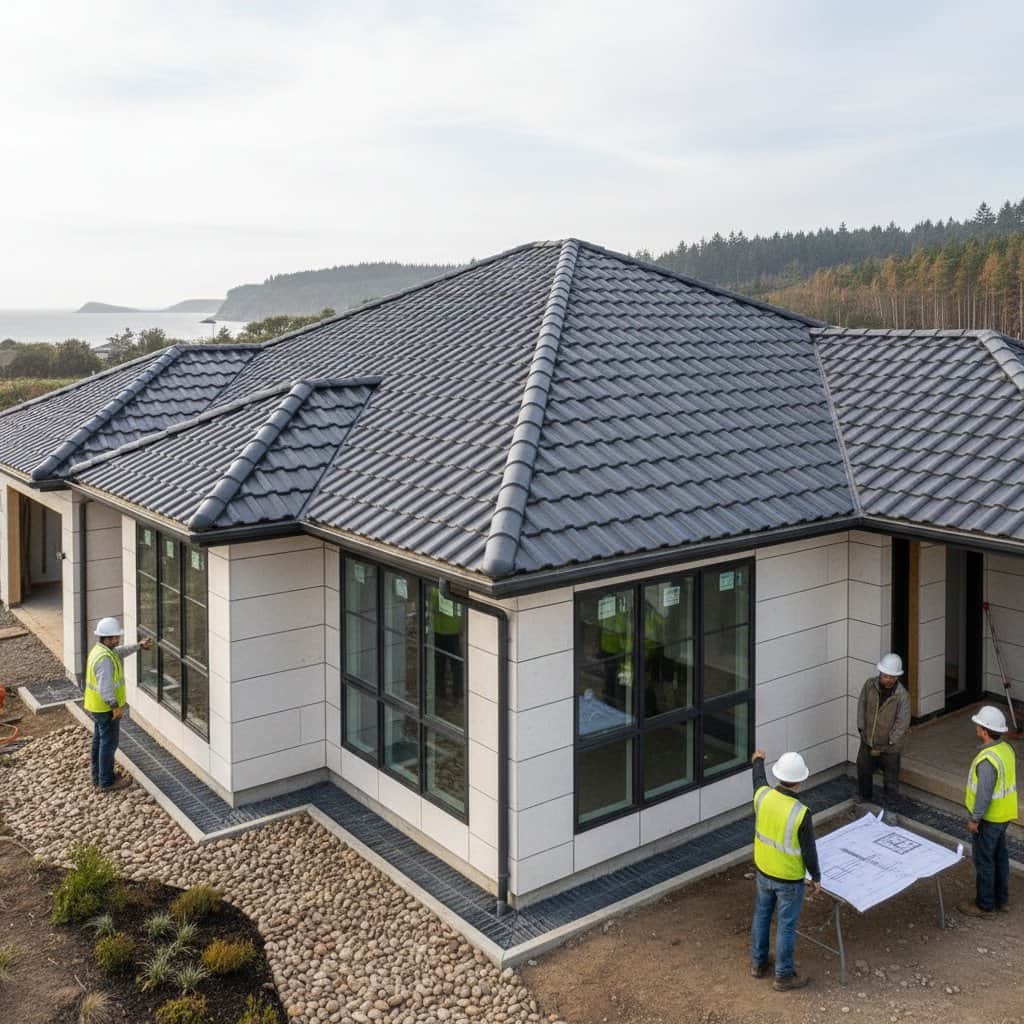
The 2026 building codes prioritize resilience, incorporating fortified roofs, fire-resistant materials, and advanced drainage systems to safeguard homes from hurricanes, wildfires, and intensifying climate events. These standards empower homeowners and builders to create structures that endure disasters, minimize repairs, and provide enduring security in an era of escalating environmental challenges.

4 min read
Featured image for Mass Timber Towers Gain Code Approval for 2026 Builds

Mass Timber Towers Gain Code Approval for 2026 Builds

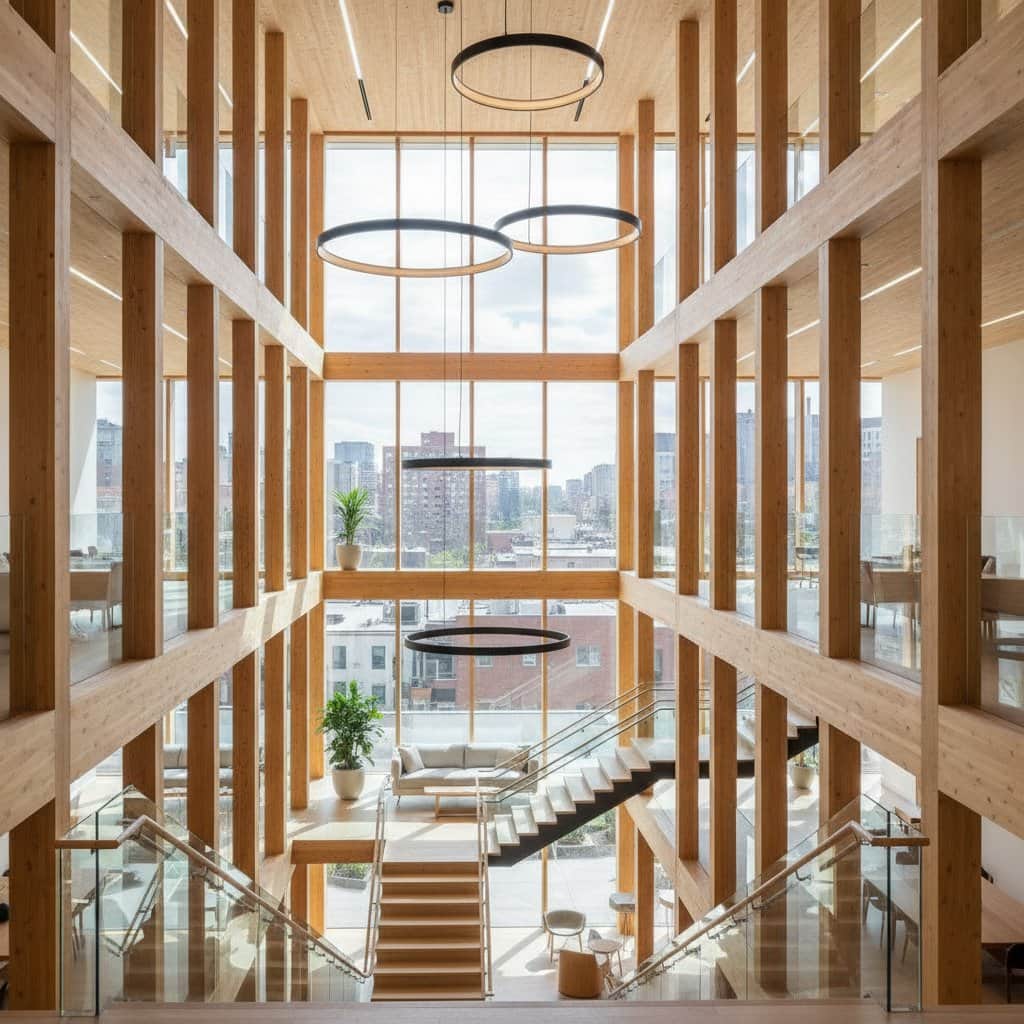
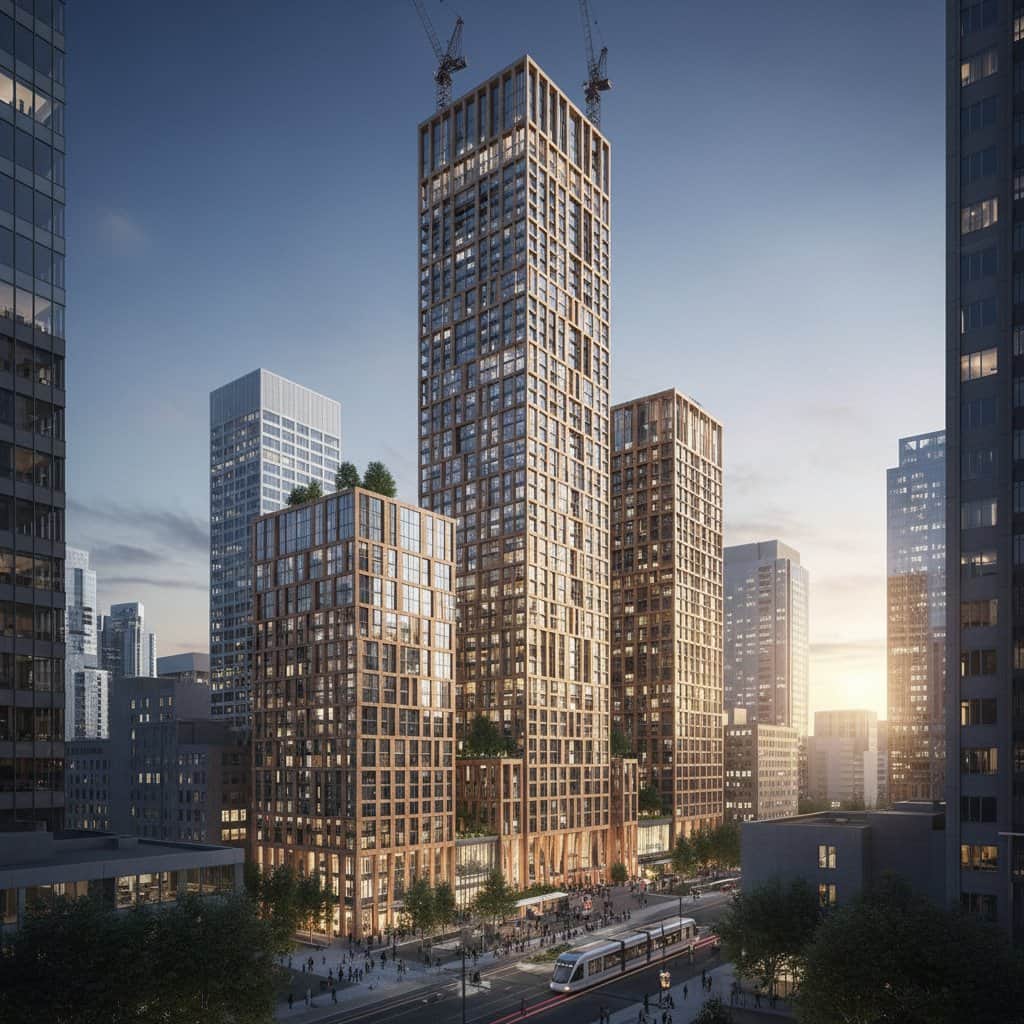
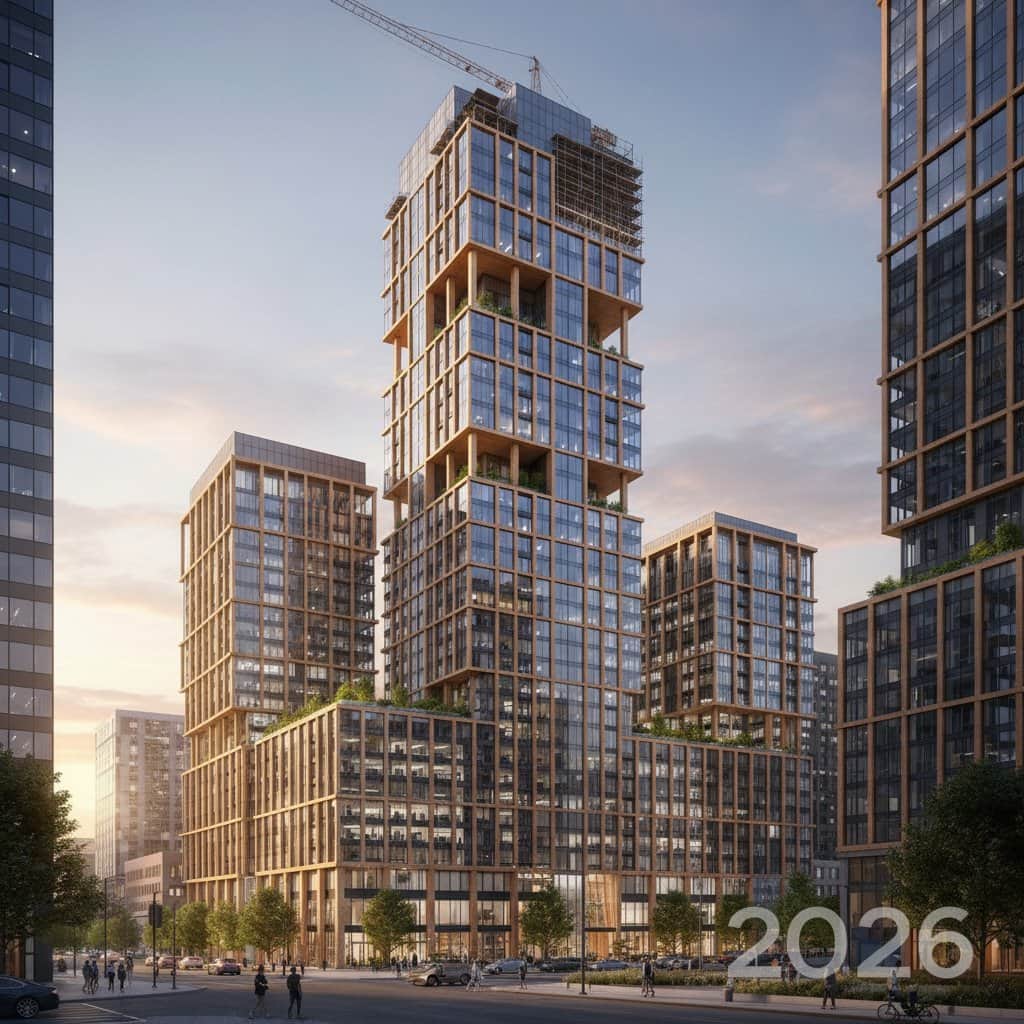
Mass timber towers achieve mainstream status through 2026 code approvals, facilitating taller, more sustainable structures. Engineered wood products such as cross-laminated timber and glulam deliver strength, rapid assembly, and environmental benefits. Developers, architects, and residents can anticipate warmer, efficient buildings that reduce carbon emissions in urban landscapes.

4 min read
Featured image for Luxury Prefab Homes Now Match Custom Quality at $200K

Luxury Prefab Homes Now Match Custom Quality at $200K

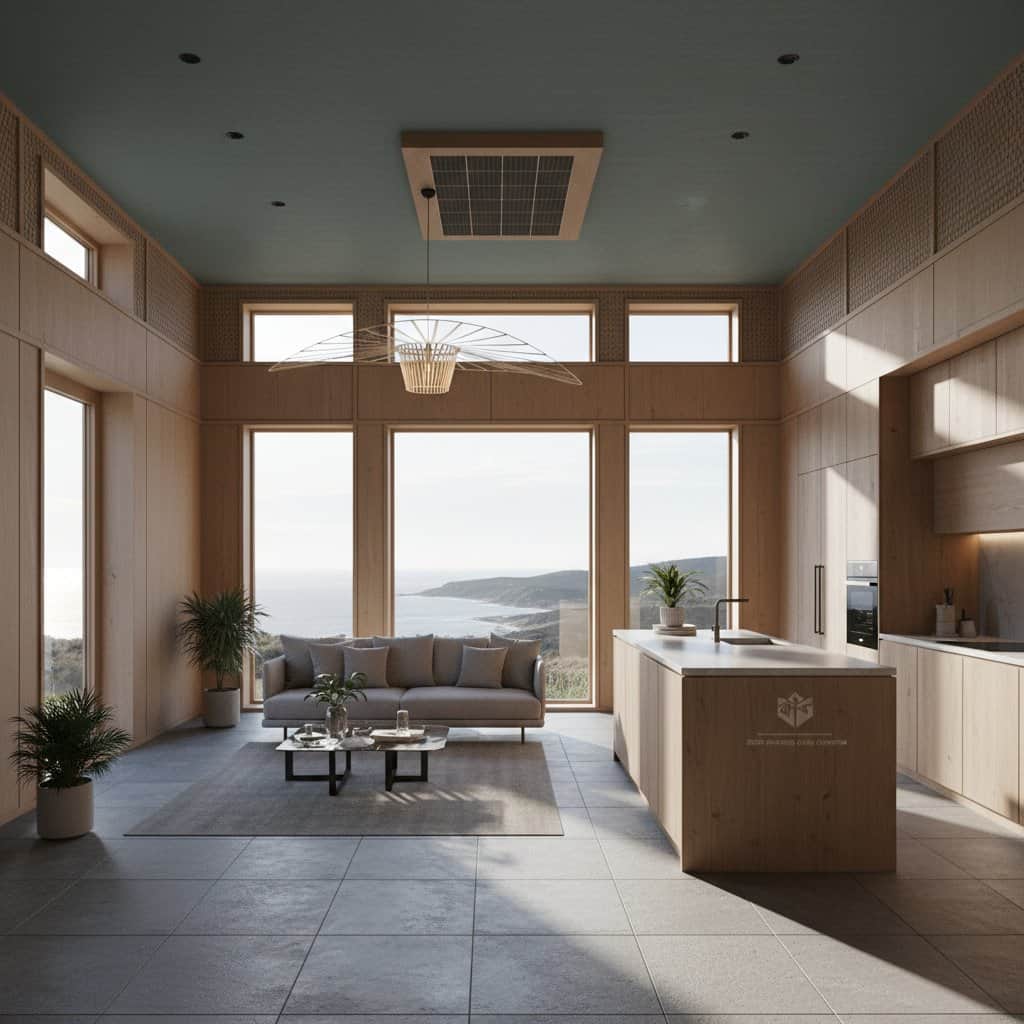
Luxury prefab homes reshape contemporary housing by providing upscale aesthetics, integrated smart technologies, and superior energy performance at approximately $200,000. These residences assemble swiftly and adhere to budgets, merging ease, environmental responsibility, and personalization minus the challenges of conventional building. Learn why the 2026 prefab advancements render premium homes remarkably accessible.

5 min read
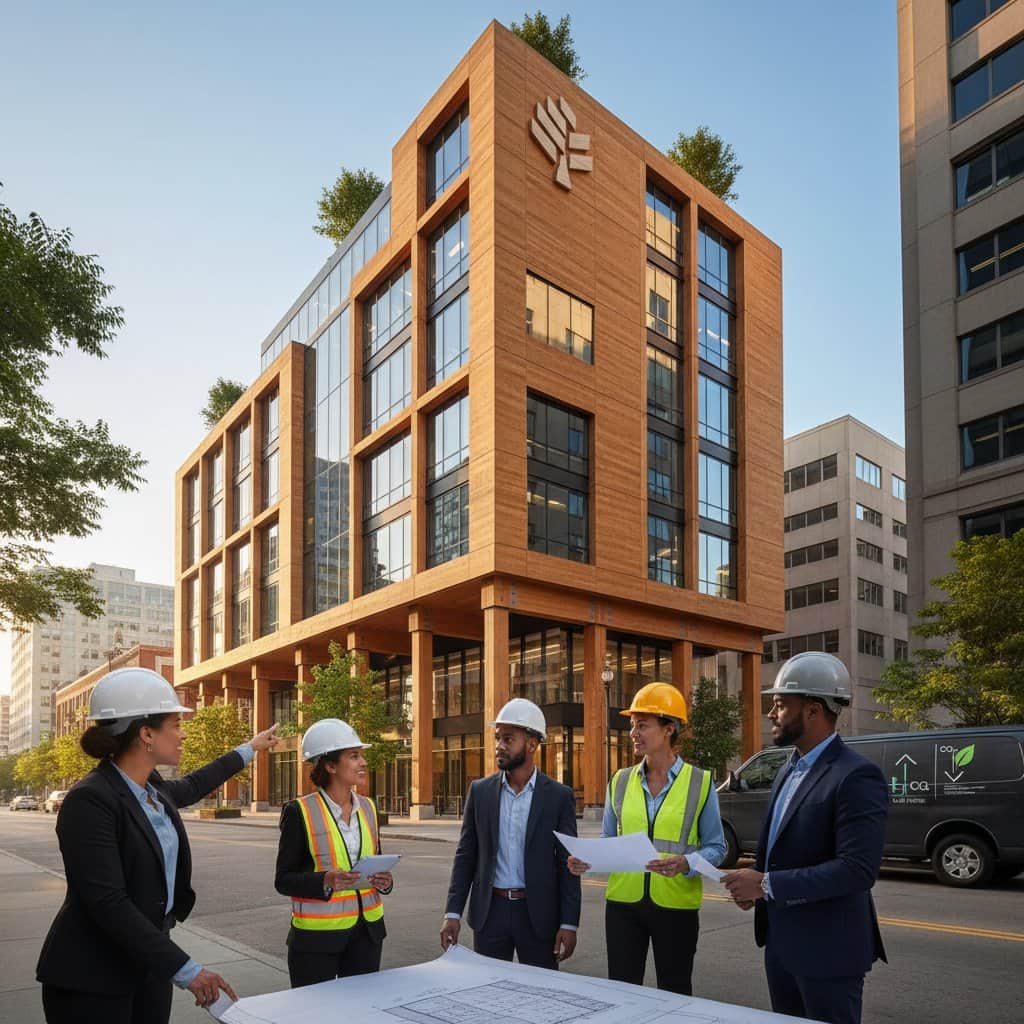
Featured image for Mass Timber Apartments Finally Clear Fire Code Hurdle

Mass Timber Apartments Finally Clear Fire Code Hurdle

The 2026 fire code revision unlocks opportunities for taller mass timber apartment buildings, emphasizing safety through advanced engineering. This change supports quicker construction timelines, reduced environmental impact, and appealing natural interiors. Learn how these updates are reshaping multifamily housing with wood-based innovation.

4 min read
Featured image for Homes Built to Survive Hurricanes Stand Firm in 2026

Homes Built to Survive Hurricanes Stand Firm in 2026

The 2026 hurricane-resistant building codes enhance home durability through reinforced connections, advanced materials, and improved water management. Initial investments yield reduced insurance costs, sustained property value, and enhanced security. Discover strategies in modern construction and upkeep to fortify your home against intense weather events.

5 min read
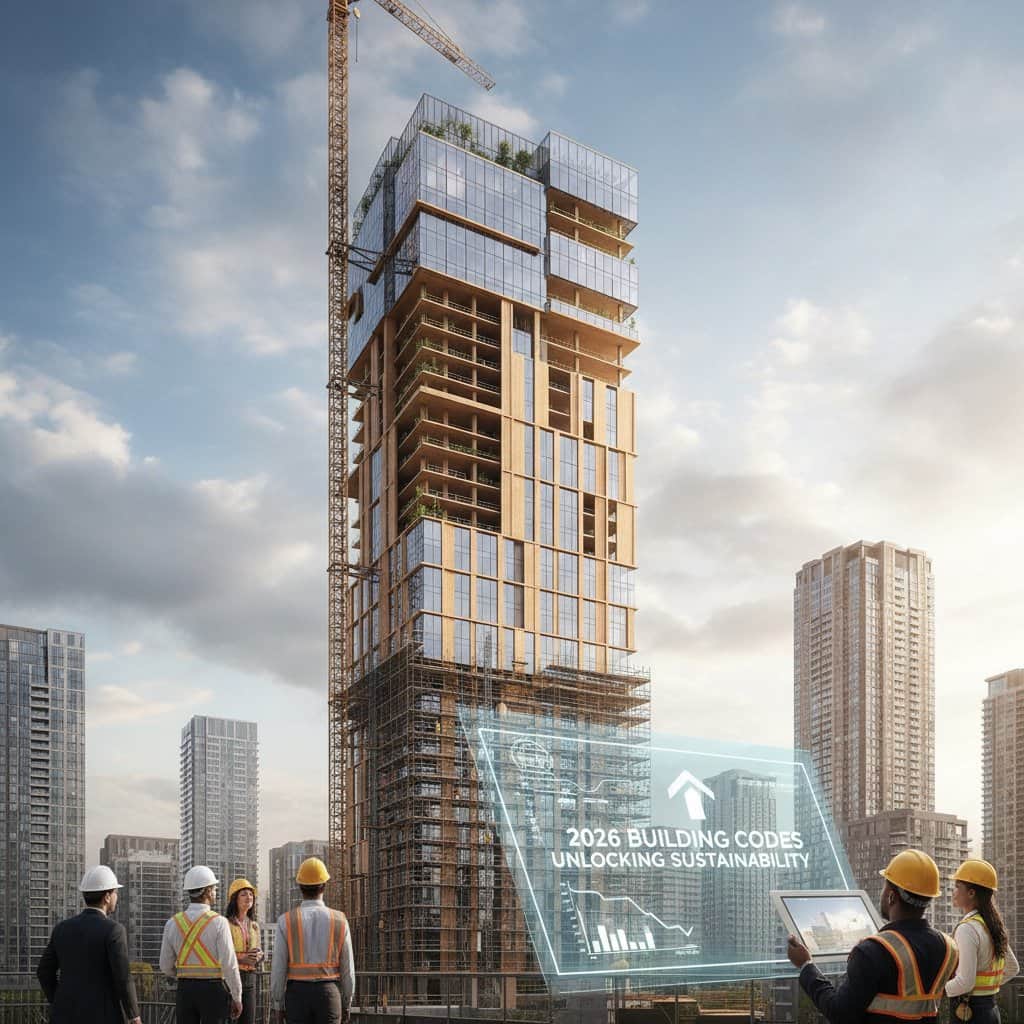
Featured image for CLT Towers Cut Carbon and Build Time in Half

CLT Towers Cut Carbon and Build Time in Half

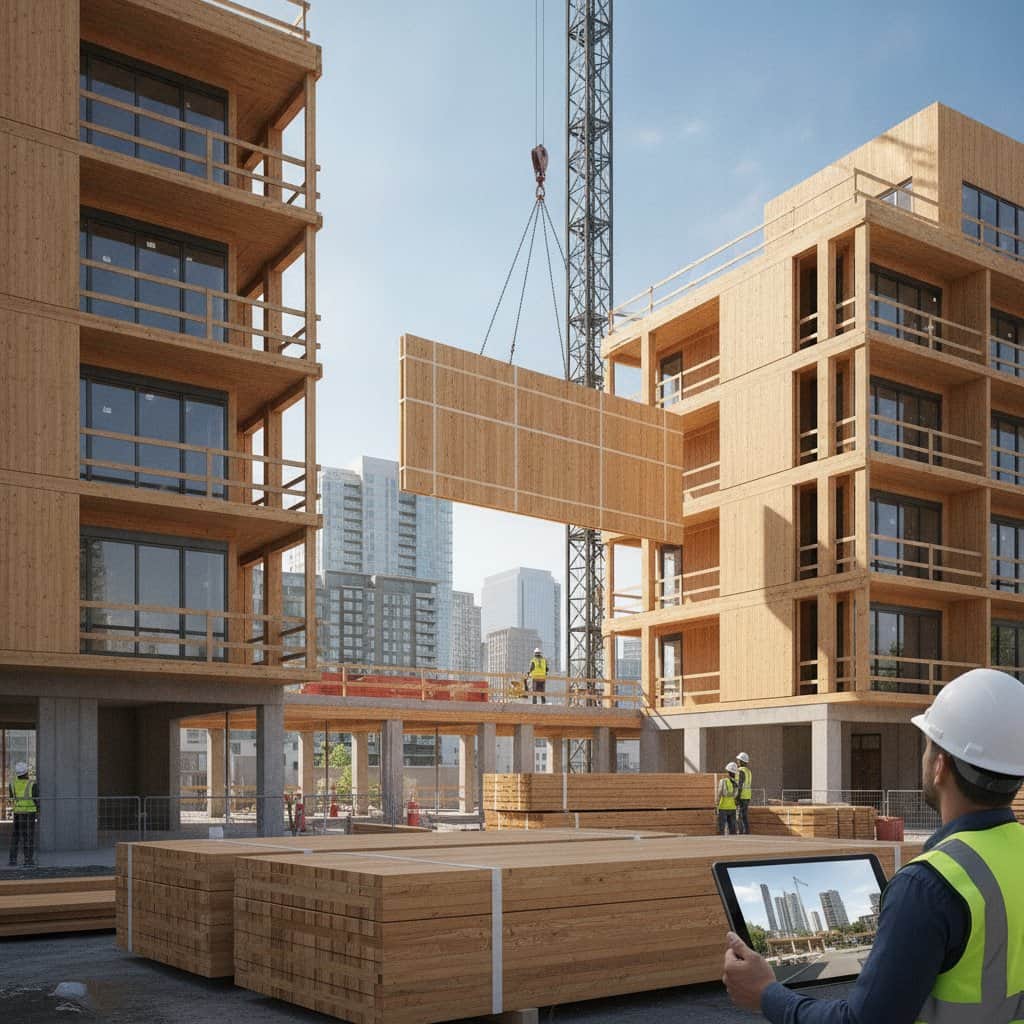
Cross-laminated timber (CLT) towers redefine urban construction by integrating sustainability, efficiency, and aesthetic appeal. Prefabricated panels minimize carbon emissions, construction noise, and expenses while delivering structural integrity and natural warmth. From initial design through ongoing maintenance, CLT supports eco-friendly, people-oriented city expansion. Learn how mass timber influences architectural evolution by 2026.

4 min read
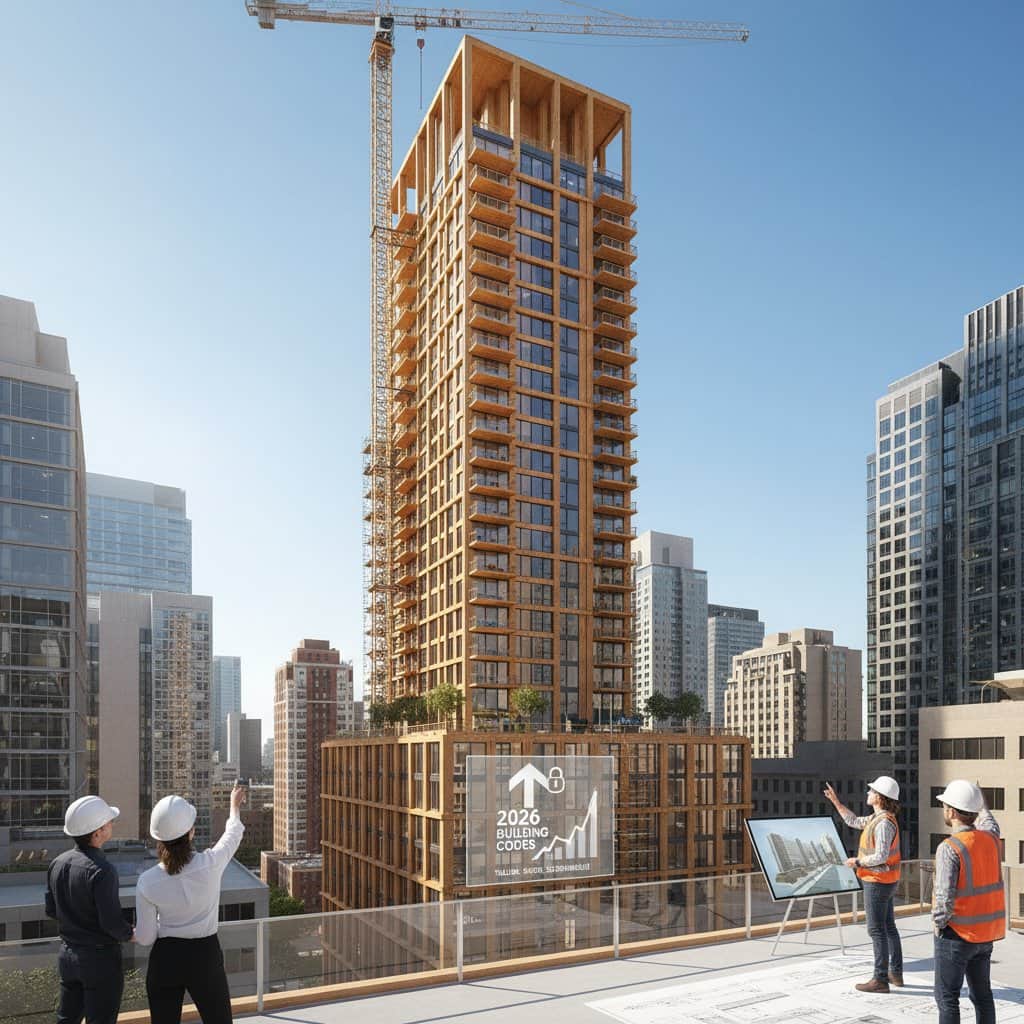
Featured image for New Building Codes Let Mass Timber Rise Higher

New Building Codes Let Mass Timber Rise Higher

The 2026 building codes mark a pivotal shift for mass timber in high-rise construction. These regulations permit taller buildings using cross-laminated timber, which matches the strength of steel and concrete while significantly reducing carbon emissions. Architects, builders, and residents gain from quicker projects, innovative designs, and warmer living spaces that transform city landscapes.

5 min read
Featured image for Plan Early: Fire and Flood-Proof Your Home Right

Plan Early: Fire and Flood-Proof Your Home Right

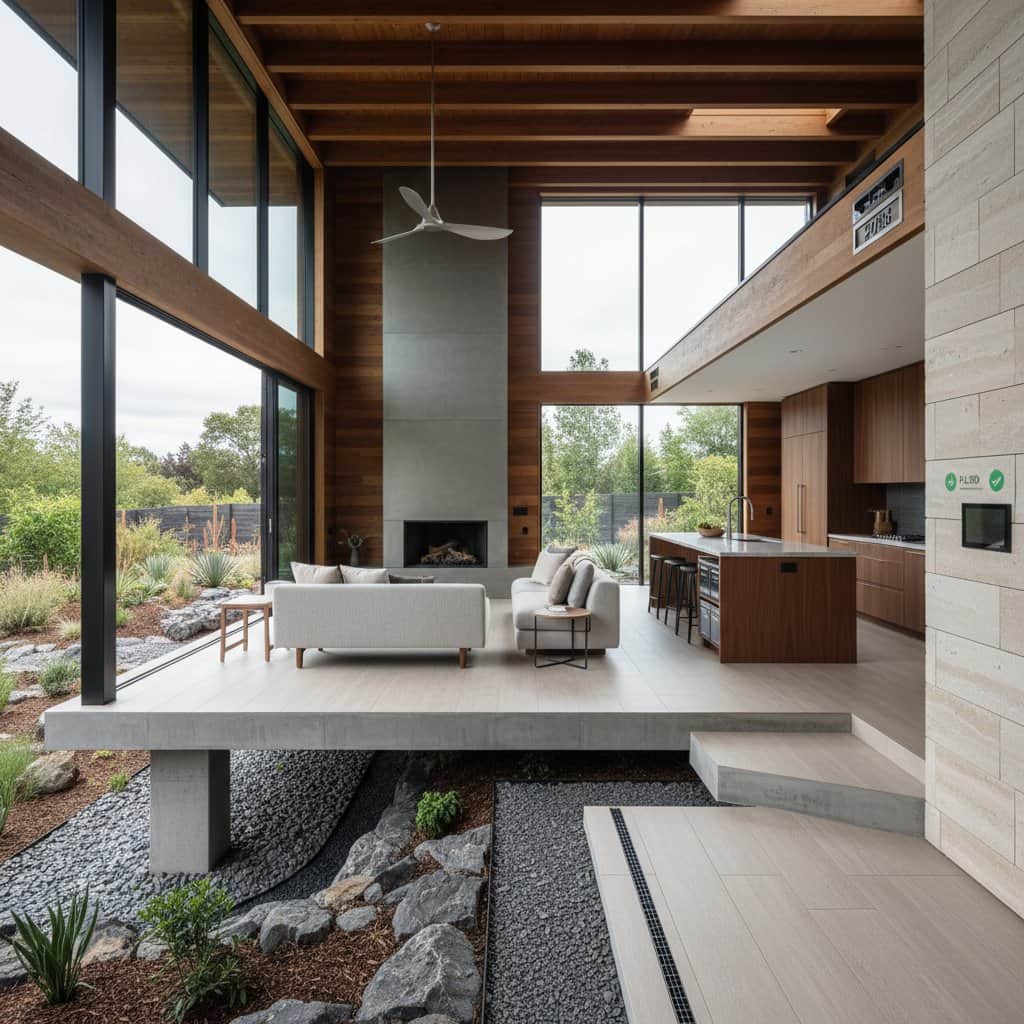
Constructing a home that withstands climate challenges requires foresight. Select fire-resistant materials, implement intelligent landscaping, and install robust drainage systems to defend against wildfires and floods. Options such as metal roofing, raised foundations, and emergency power solutions safeguard your property, reduce expenses, and provide reassurance amid 2026's environmental uncertainties.

4 min read
Featured image for Why New Homes Must Wire for Batteries by 2026

Why New Homes Must Wire for Batteries by 2026

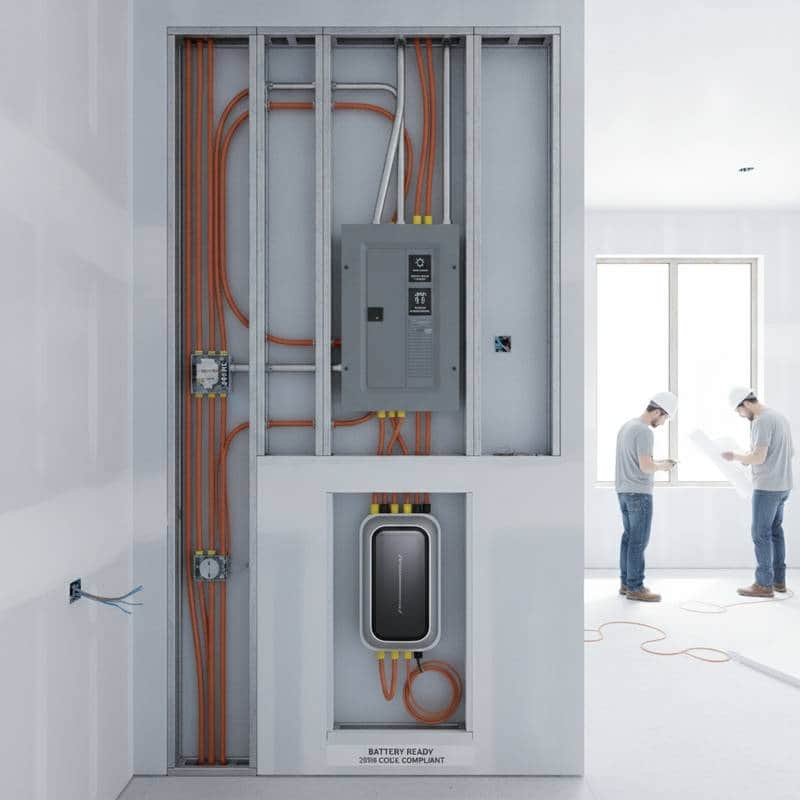
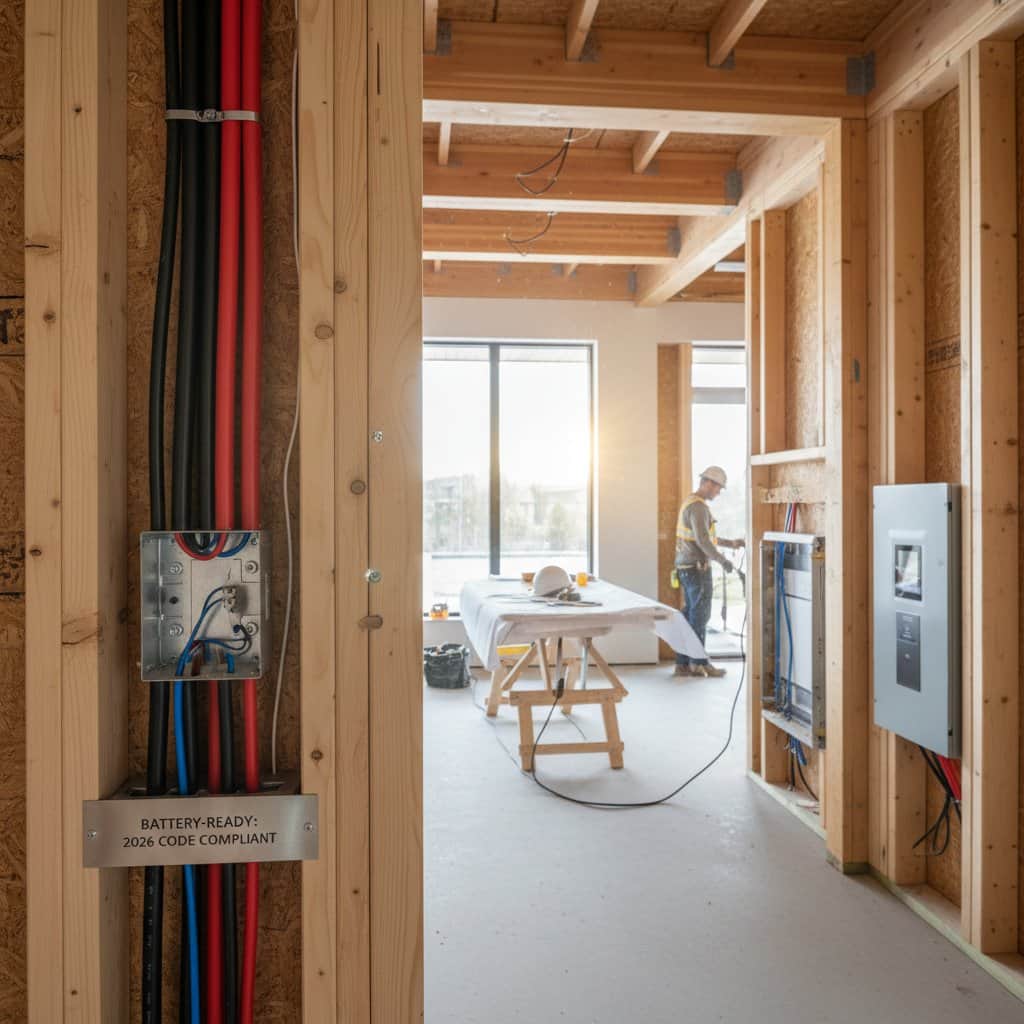
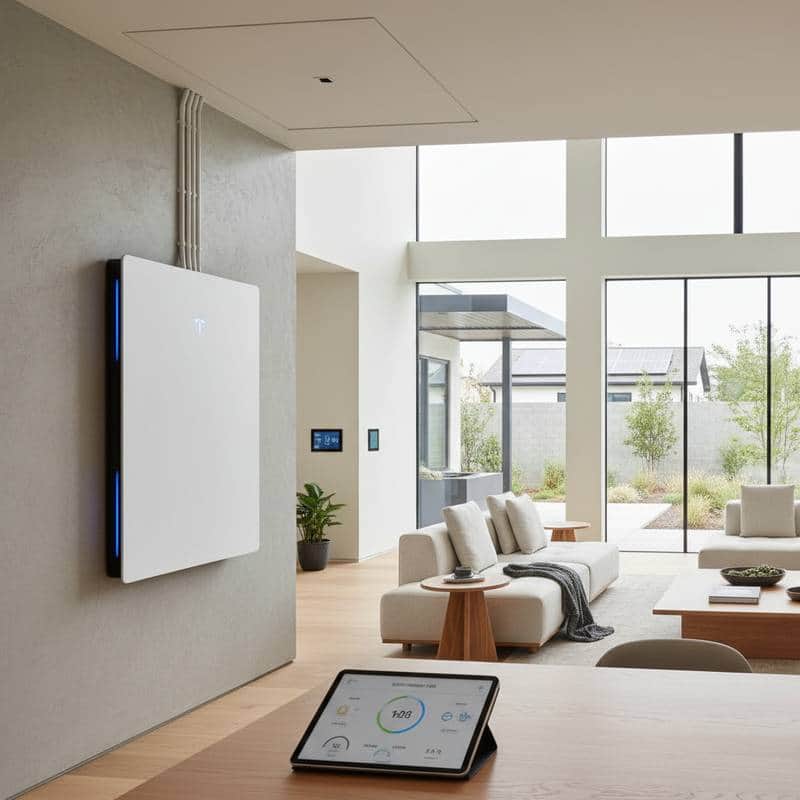
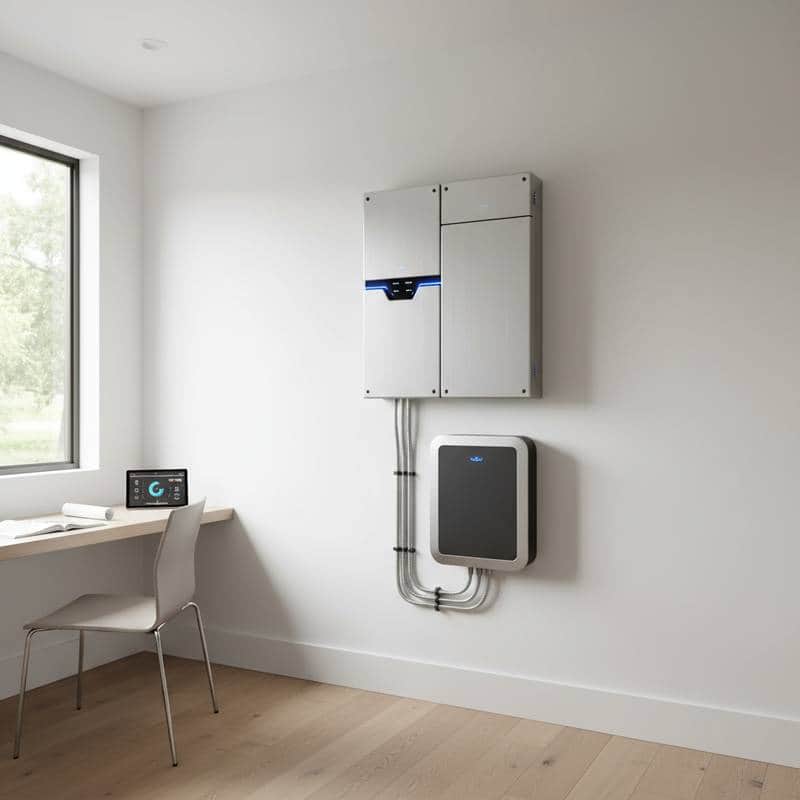
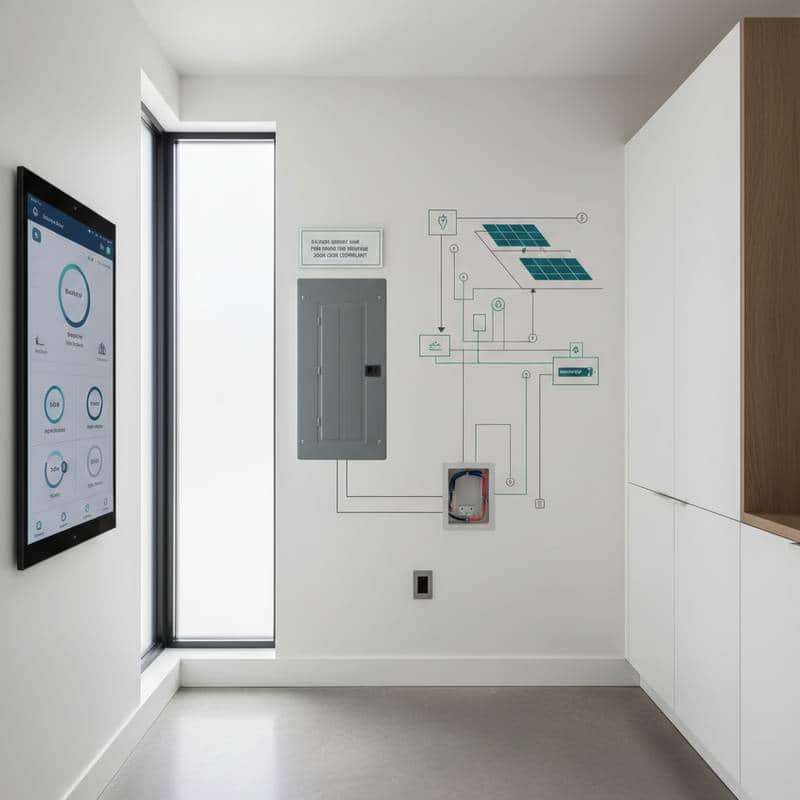
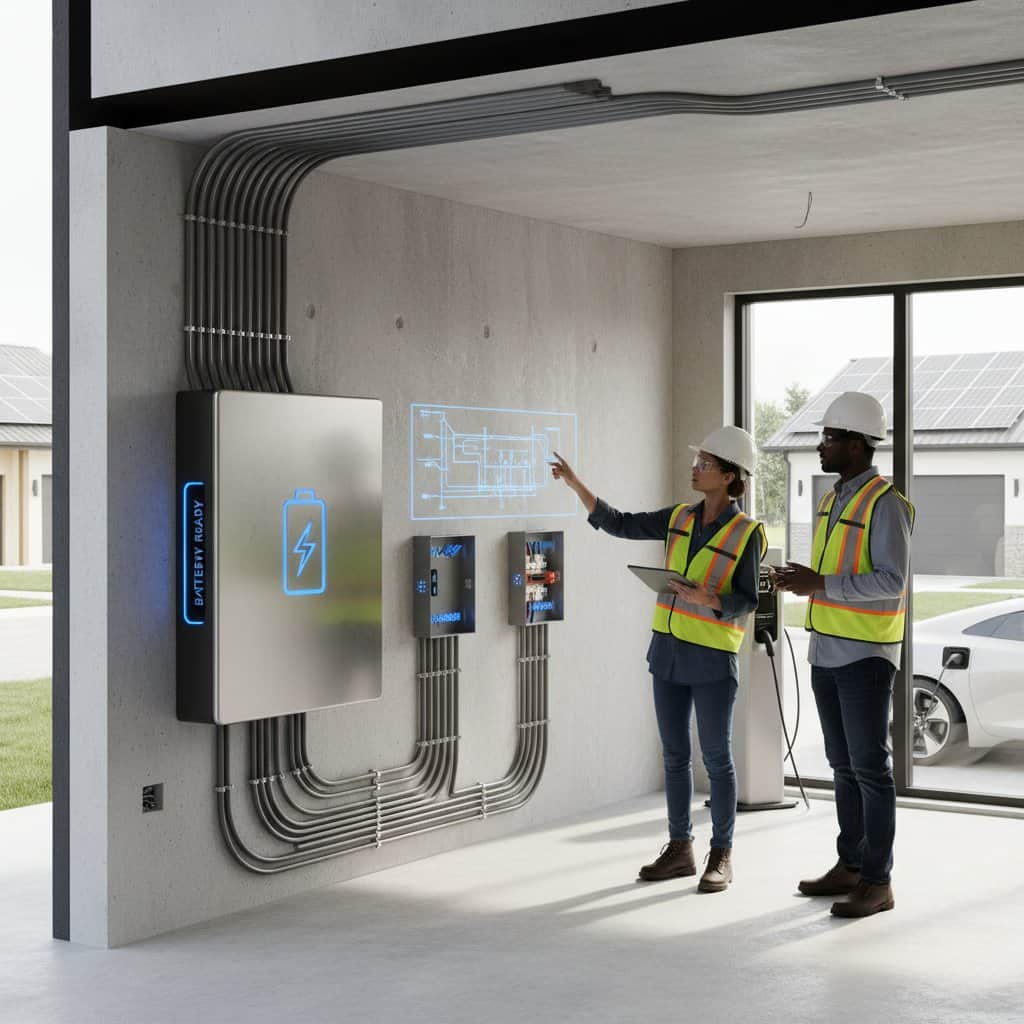
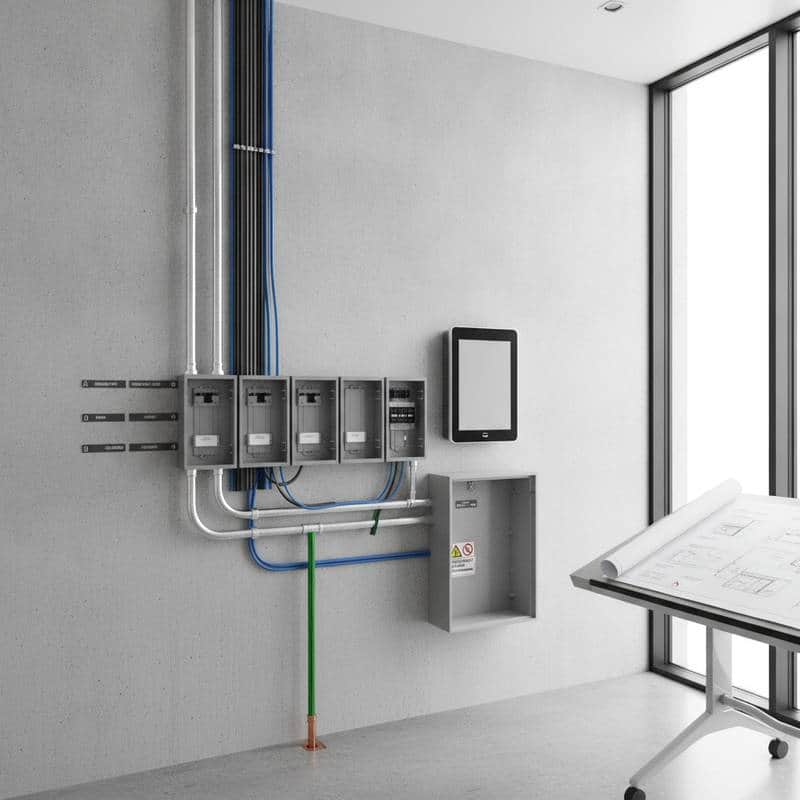
From 2026 onward, building codes will require battery pre-wiring in new homes, a cost-effective measure that prevents expensive future modifications. This setup prepares residences for solar integration and energy storage, improving efficiency, resilience, and market appeal. Builders differentiate their projects, while owners secure long-term savings and adaptability.

5 min read
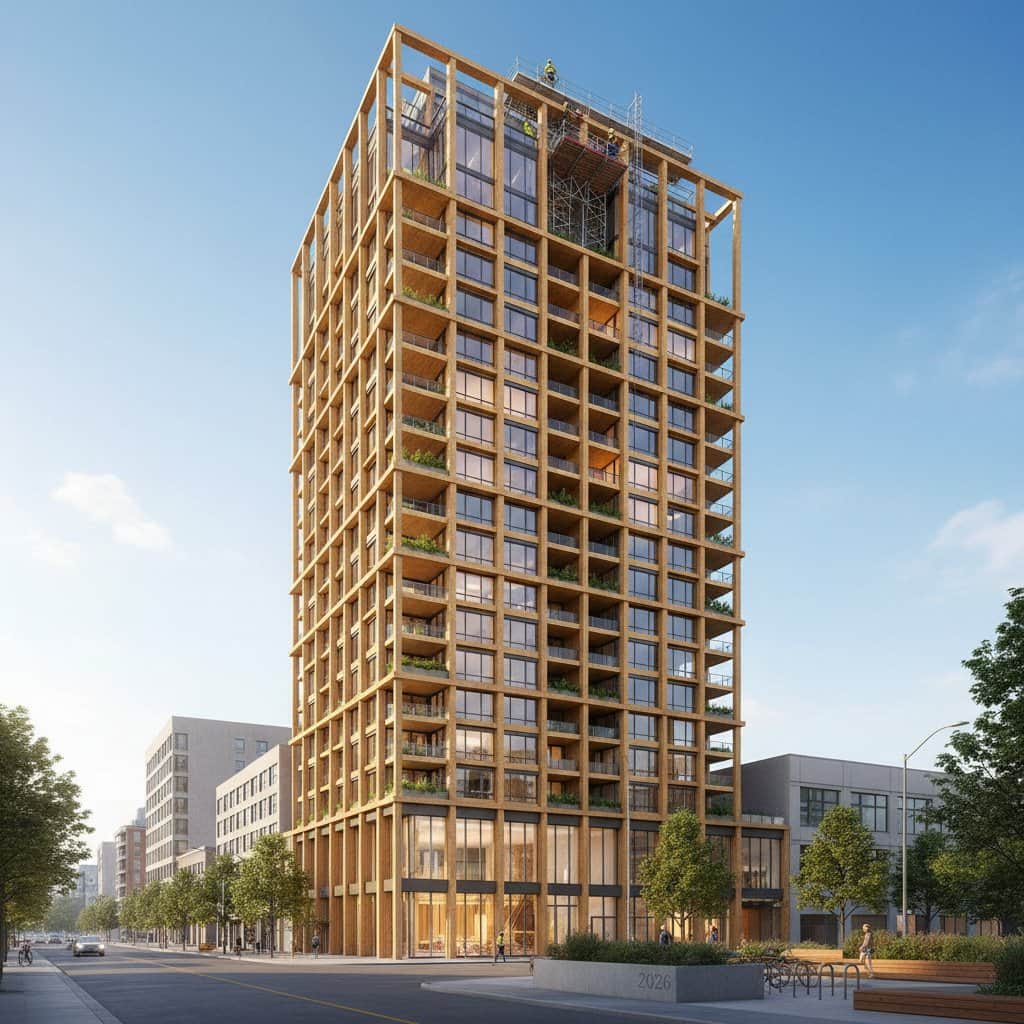
Featured image for Mass Timber Now Approved for 18-Story Buildings

Mass Timber Now Approved for 18-Story Buildings

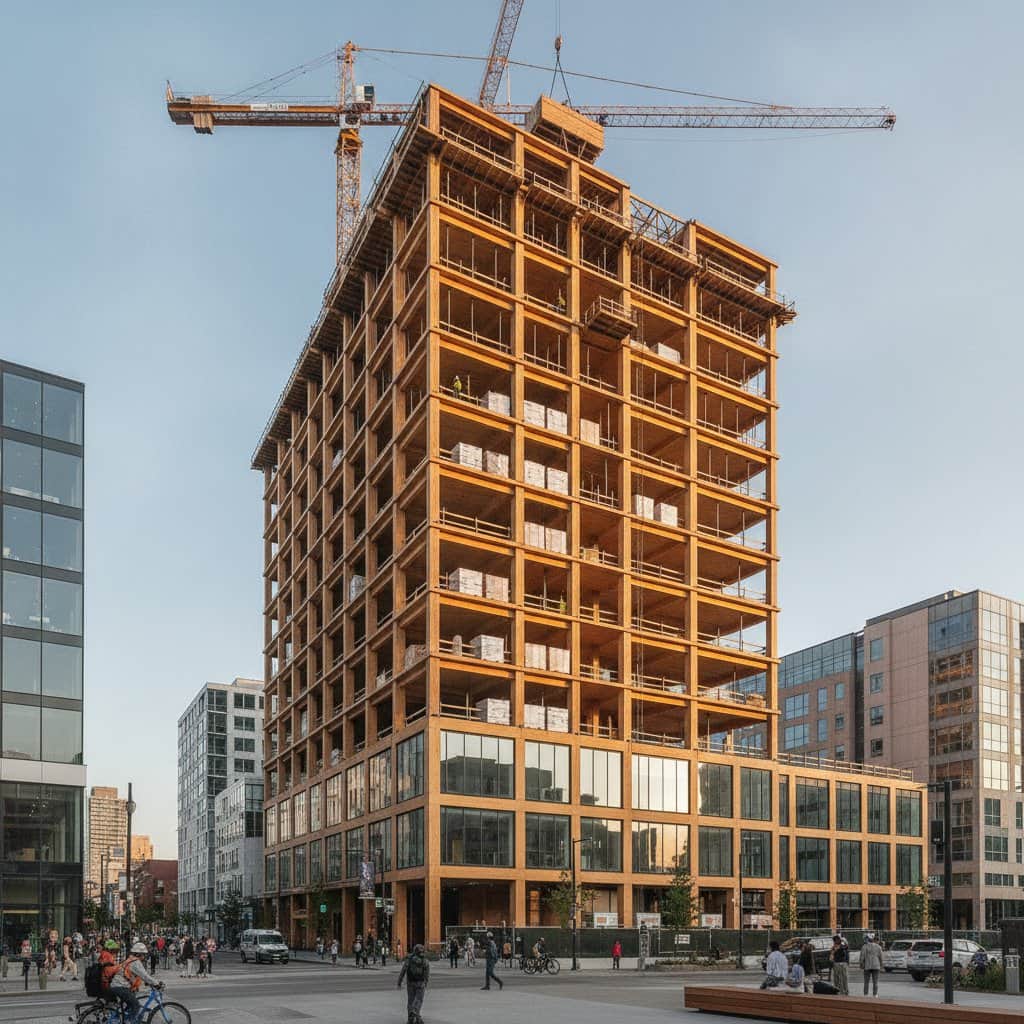
Building codes now permit mass timber high-rises reaching 18 stories, transforming tall construction through superior strength, sustainability, and efficiency. This innovation provides builders with lighter materials, reduced assembly times, and minimized carbon emissions. While hurdles such as fire safety validation and material supply remain, this advancement heralds a more sustainable and inviting era for city landscapes.

5 min read
Featured image for Battery-Ready Homes: What the 2026 Wiring Rule Means

Battery-Ready Homes: What the 2026 Wiring Rule Means

From 2026 onward, new residential constructions must incorporate battery-ready features, such as pre-installed wiring and designated spaces for energy storage systems. This regulation promotes seamless integration with solar power, eliminates the need for disruptive retrofits, and enhances property value. Proactive planning during the building phase allows homeowners to install backup power solutions effortlessly in the future.

4 min read
Featured image for Insurance Now Rewards Homes Built to Resist Storms

Insurance Now Rewards Homes Built to Resist Storms

With 2025 insurance mandates in place, homeowners must demonstrate climate resilience to secure coverage and manage premiums. Upgrades like fire-rated roofs and flood barriers safeguard properties, cut expenses, and enhance living conditions. Discover how these prevention-oriented policies transform homeownership by incentivizing durable, adaptive designs.

4 min read
Featured image for 12 States Now Require Fire-Resistant Siding for New Homes

12 States Now Require Fire-Resistant Siding for New Homes

Twelve states mandate fire-resistant siding for new residential construction beginning in 2025, favoring materials such as fiber cement, metal, and treated wood. These choices not only mitigate wildfire risks but also yield insurance discounts, elevate property values, and preserve aesthetic appeal, positioning them as a prudent investment for homeowners.

4 min read