Loading...

Prefab Homes Slash Build Times to 8 Weeks in 2025 | multihb.com | Multi HB - Home Building, Construction Trends, Financing New Homes
Skip to main content
MULTI HB
HomeBudgeting & FinancingConstruction Materials & MethodsConstruction TrendsContractors & Project ManagementSearch
  1. Home
  2. /
  3. Construction Trends
  4. /
  5. Prefab Homes Cut Build Time to 8 Weeks in 2025
Construction Trends

Prefab Homes Cut Build Time to 8 Weeks in 2025

byEmily Lockwood
2025-09-23 21:29:37September 23, 2025
4 min read
Featured image for Prefab Homes Cut Build Time to 8 Weeks in 2025
2025-09-29 03:01:49
Multi HB - Home Building, Construction Trends, Financing New Homes

Prefab Homes Slash Build Times to 8 Weeks in 2025

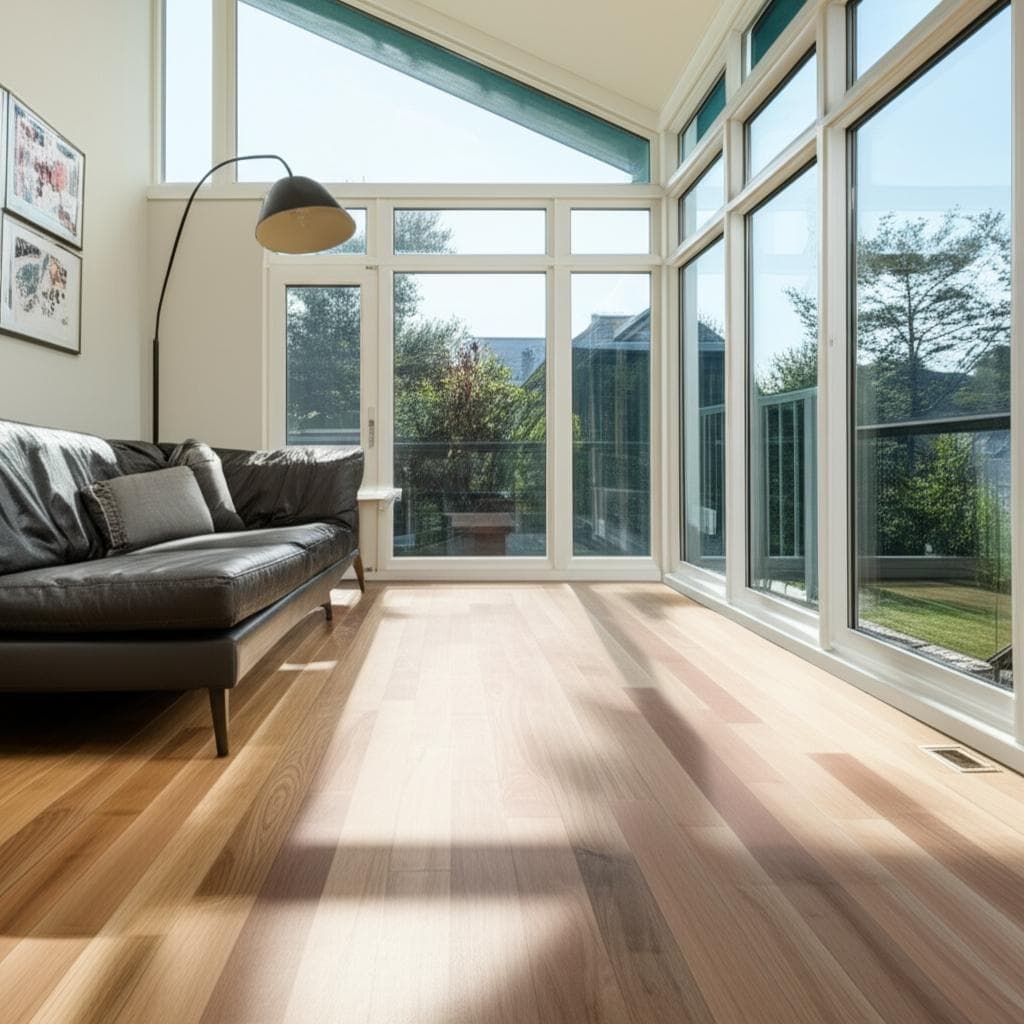
Picture walking into a home that rivals any traditional build in comfort and style, yet was assembled on-site in mere weeks. During a recent visit to a prefab show home, the warmth of natural light poured through expansive windows, highlighting sleek timber floors, while the faint aroma of fresh paint filled the space. What stood out was the seamless quality, despite knowing each component was factory-made and delivered for rapid installation. For those planning a construction project in 2025, prefabricated homes promise not only unprecedented speed but also significant advantages in cost, durability, and environmental impact.

Driving Forces Behind the Prefab Boom

The rise of prefab construction hinges on its ability to deliver projects swiftly while maintaining strict budget control. Factory settings eliminate delays caused by weather, cut material waste by as much as 30 percent, and uphold high standards through meticulous quality checks. A standard 2,000-square-foot home can move from delivery to occupancy in six to eight weeks, a sharp contrast to the four to six months typical of conventional builds. This efficiency, combined with bulk material discounts and lower labor needs, often results in savings of 10 to 20 percent, according to industry estimates.

Sustainability also plays a pivotal role in prefab’s growing appeal. Advanced building techniques create tighter envelopes, paired with low-emission materials, resulting in energy-efficient homes that frequently surpass modern green standards. For owners, this translates to reduced utility costs and a lighter ecological footprint. These practical and planet-friendly benefits are fueling demand across varied demographics and regions.

Market Trends Shaping 2025

Projections show the global modular construction market reaching around 210 billion USD by 2025, with robust growth in multiple areas worldwide. Average timelines for modular builds, from permitting to move-in, can be as short as eight weeks, far outpacing traditional methods. Pricing often reflects a 15 percent cost reduction compared to on-site construction, though this varies by region and project complexity. Experts predict that nearly 25 percent of new single-family homes will adopt modular approaches, with even greater uptake in fast-growing urban centers.

Government policies add further incentive for adoption. Tax credits and grants tied to energy efficiency, which many prefab designs inherently achieve, help offset upfront expenses for builders and buyers alike. These financial benefits enhance the long-term value of prefab projects, making them an attractive option for a wide range of stakeholders.

Technological Advances in Prefab Design

Innovative tools are redefining the possibilities of prefab homes. Artificial intelligence now aids in designing layouts that optimize light exposure, structural strength, and material use, while automated factory systems speed up panel and module production. Hybrid approaches, combining prefabricated units with tailored on-site elements, enable unique architectural details without slowing down the process. These advancements ensure both efficiency and aesthetic flexibility.

Manufacturers are also embedding smart technology as a standard feature. Pre-installed systems for home automation, energy tracking, and even solar integration appeal to modern buyers seeking connected living spaces. Additionally, localized supply hubs and emerging financing options tailored for prefab builds reduce logistical hurdles and financial risks, smoothing the path for prospective owners.

Practical Steps to Launch Your Prefab Project

Embarking on a prefab build demands careful preparation, whether you are a homeowner, developer, or contractor. Use these targeted strategies to ensure a seamless experience:

  • For Homeowners: Secure a clear timeline for module delivery and assembly, coordinating with utility providers to avoid delays.
  • For Developers: Collaborate with certified factories adhering to standards like ISO 9001 or LEED v4 to guarantee quality and unlock sustainability incentives.
  • For Contractors: Adopt Building Information Modeling tools to align factory designs with on-site work, reducing miscommunication.
  • For Investors: Evaluate costs versus benefits, accounting for tax breaks, quicker returns, and potential insurance savings.
  • For Architects: Work within common module sizes, such as 12-foot widths, while incorporating flexible interior designs for personalization.

Preparing Your Site for a Smooth Build

Before construction begins, confirm that local zoning and permitting rules accommodate modular methods in your area. Identify manufacturers with strong track records for punctual delivery to prevent setbacks. Focus on early site preparation, including grading and foundation setup, and reserve a contingency fund of about five percent of your budget for unforeseen challenges. A pre-approval inspection of modules can also catch minor issues before they become costly problems.

Capitalizing on Prefab for Future-Ready Homes

Prefab homes have evolved beyond a niche option into a strategic solution for modern construction challenges. They offer a compelling blend of rapid timelines, financial savings, and sustainable design, all without sacrificing individuality or quality. Start by researching reputable manufacturers and understanding local regulations to position your 2025 project for success. Embrace this innovative approach to build smarter, faster, and greener.

Recent Articles by Emily Lockwood

Image for DSCR Loans Shift Focus from Borrower to Property Income

DSCR Loans Shift Focus from Borrower to Property Income

June 12, 2026
Image for Why Builders Use Buydowns to Ease Buyer Hesitation

Why Builders Use Buydowns to Ease Buyer Hesitation

June 11, 2026
Image for Mass Timber Brings Warmth and Speed to Multi-Story Builds

Mass Timber Brings Warmth and Speed to Multi-Story Builds

May 22, 2026
Image for Building Homes That Can Weather Fire and Flood

Building Homes That Can Weather Fire and Flood

May 21, 2026

Construction Trends

Battery Pre-Wiring: The Renovation Mistake I Made So You Don't Have To

Pre-wiring homes for batteries during construction saves thousands in future retrofits, boosts property value, and ensures compliance with evolving energy codes. It is a small step that makes adding solar storage seamless later.

May 31, 2026

Building Homes That Can Weather Fire and Flood

New 2026 building rules emphasize homes that withstand floods and fires through smarter design, durable materials, and climate-specific planning. From raised foundations to ember-resistant roofs, resilience now blends seamlessly with comfort and style. Thoughtful design choices protect families, reduce long-term costs, and reconnect modern living with the natural environment.

May 21, 2026

Mass Timber High-Rises Reshape City Skylines by 2026

Mass timber high-rises are transforming skylines as code approvals unlock taller wooden structures. Engineered timber offers strength, speed, and carbon benefits compared with steel and concrete.

May 20, 2026

Battery-Ready Homes Keep Power During Outages

Categories

Budgeting & Financing
Construction Materials & Methods
Construction Trends
Contractors & Project Management
Design & Floor Plans
Home Building Basics
Homeowner Tips & Maintenance
Inspections & Quality Checks
Renovation & Additions
Sustainability & Energy Efficiency

Your comprehensive resource for home building expertise, construction insights, and financing strategies to help you build your dream home efficiently and cost-effectively.

Categories

Budgeting & FinancingConstruction Materials & MethodsConstruction TrendsContractors & Project ManagementDesign & Floor PlansHome Building BasicsHomeowner Tips & MaintenanceInspections & Quality Checks

Links

  • Home
  • Search Articles
  • About Us
  • Privacy Policy
  • Terms of Service

© 2026 Multi HB. All rights reserved.

By 2026, new constructions incorporate battery-ready features for effortless power wall and solar integration. These homes deliver energy autonomy, cost savings, and outage resilience, benefiting builders and residents through sustainable, adaptable designs that transform residences into efficient energy centers.

April 29, 2026

Mass Timber Buildings Store Carbon While Replacing Steel

Mass timber drives a fivefold rise in sustainable projects, using engineered wood such as CLT to deliver structural strength, faster builds, and carbon sequestration. This material reduces emissions, enhances building aesthetics, and fosters human-centered spaces that blend resilience with natural warmth and environmental stewardship.

April 28, 2026

Mass Timber Towers Reach New Heights in 2026 Codes

Mass timber construction ascends to new levels with the 2026 building codes, permitting taller structures built from cross-laminated timber. These advancements promote safer designs, accelerated construction timelines, and reduced environmental impact, marking a transformative phase in sustainable urban development for architects, builders, and developers.

April 25, 2026

Mass Timber Towers: 2026 Codes Unlock Costs & Gains

The 2026 building codes propel mass timber towers toward mainstream adoption, enabling taller structures, accelerated construction, and superior sustainability. Cost efficiencies, greater design versatility, and carbon sequestration advantages position engineered wood as a viable alternative to steel and concrete. These changes redefine urban skylines, project budgets, and architectural innovation.

April 19, 2026

Mass Timber Brings Warmth and Carbon Storage to High-Rises

Mass timber revolutionizes multi-family high-rises by integrating sustainability, durability, and natural warmth into urban architecture. Engineered solutions such as cross-laminated timber enable quicker builds, reduced emissions, and appealing aesthetics that draw residents. With evolving regulations and stabilizing costs, mass timber paves the way for more intuitive, resident-centered vertical living by 2026.

April 17, 2026

Battery-Ready Panels Reshape How New Homes Handle Power

Effective 2026, new homes require battery-ready electrical panels, a pivotal advancement in construction. These systems facilitate seamless energy storage, improve blackout resistance, and promote efficient, intelligent energy practices. This innovation benefits builders, designers, and residents through proactive energy infrastructure.

March 20, 2026

Battery-Ready Homes Prepare for Energy Independence

Starting in 2026, new homes require wiring for future battery storage, simplifying the path to energy independence. This preparation facilitates seamless solar connections, cost-effective upgrades, and reliable power during outages. Understand how basic pre-wiring now positions your home for emerging energy technologies.

March 7, 2026

Insurance Now Rewards Storm-Ready Home Design

Starting in 2026, insurance providers will mandate features that enable homes to endure severe weather events, offering reduced premiums and superior coverage in return. Upgrades such as fortified roofs, enhanced drainage systems, and durable materials deliver substantial long-term savings and security. Identify essential modifications and strategies to fortify your property affordably.

March 5, 2026

Battery-Ready Wiring Saves Retrofit Costs Later

Pre-wiring a home for battery storage during initial construction in 2026 avoids costly retrofits and enables seamless addition of solar panels, EV chargers, and advanced energy systems. Strategic design decisions now promote long-term flexibility and efficiency. Explore practical steps to make your home resilient and energy-smart for the future.

March 3, 2026

Building Codes 2026: Protect Your Home Without Breaking Budget

The 2026 building codes raise the bar for fire, wind, and flood resilience—without requiring a sky-high budget. Smart planning, durable materials, and early design choices can protect your home, lower insurance costs, and boost long-term value. Build for safety, efficiency, and peace of mind from the foundation up.

March 2, 2026

2026 Building Codes Protect Against Climate Threats

The 2026 building codes prioritize resilience, incorporating fortified roofs, fire-resistant materials, and advanced drainage systems to safeguard homes from hurricanes, wildfires, and intensifying climate events. These standards empower homeowners and builders to create structures that endure disasters, minimize repairs, and provide enduring security in an era of escalating environmental challenges.

February 25, 2026

Mass Timber Towers Gain Code Approval for 2026 Builds

Mass timber towers achieve mainstream status through 2026 code approvals, facilitating taller, more sustainable structures. Engineered wood products such as cross-laminated timber and glulam deliver strength, rapid assembly, and environmental benefits. Developers, architects, and residents can anticipate warmer, efficient buildings that reduce carbon emissions in urban landscapes.

February 25, 2026

Mass Timber Rises: 15 States Greenlight Tall Wood Buildings

Fifteen states have approved building codes for tall mass timber structures, revolutionizing construction with sustainable, efficient alternatives to steel and concrete. These engineered woods offer strength, carbon sequestration, and a natural aesthetic that enhances urban environments and residential spaces alike.

February 24, 2026

Luxury Prefab Homes Now Match Custom Quality at $200K

Luxury prefab homes reshape contemporary housing by providing upscale aesthetics, integrated smart technologies, and superior energy performance at approximately $200,000. These residences assemble swiftly and adhere to budgets, merging ease, environmental responsibility, and personalization minus the challenges of conventional building. Learn why the 2026 prefab advancements render premium homes remarkably accessible.

February 15, 2026

2026 Building Codes: Homes That Resist Fire and Flood

The 2026 building codes advance home resilience against wildfires, floods, and extreme weather through innovative materials and designs. Fire-rated exteriors, elevated structures, and efficient drainage systems deliver durable, cost-effective protection and serenity amid climate uncertainties.

February 13, 2026

Mass Timber Apartments Finally Clear Fire Code Hurdle

The 2026 fire code revision unlocks opportunities for taller mass timber apartment buildings, emphasizing safety through advanced engineering. This change supports quicker construction timelines, reduced environmental impact, and appealing natural interiors. Learn how these updates are reshaping multifamily housing with wood-based innovation.

February 12, 2026

Homes Built to Survive Hurricanes Stand Firm in 2026

The 2026 hurricane-resistant building codes enhance home durability through reinforced connections, advanced materials, and improved water management. Initial investments yield reduced insurance costs, sustained property value, and enhanced security. Discover strategies in modern construction and upkeep to fortify your home against intense weather events.

February 6, 2026