New Codes Make Mass Timber Taller and More Practical
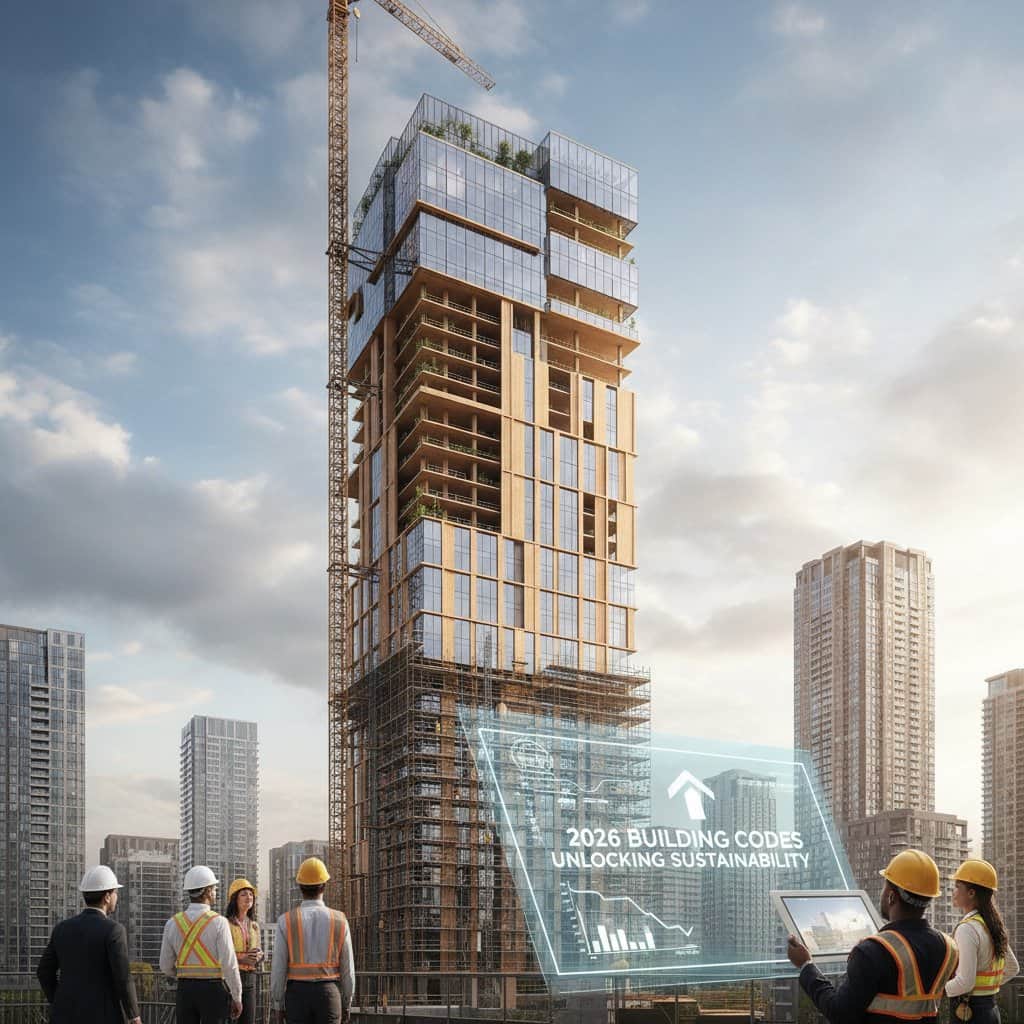
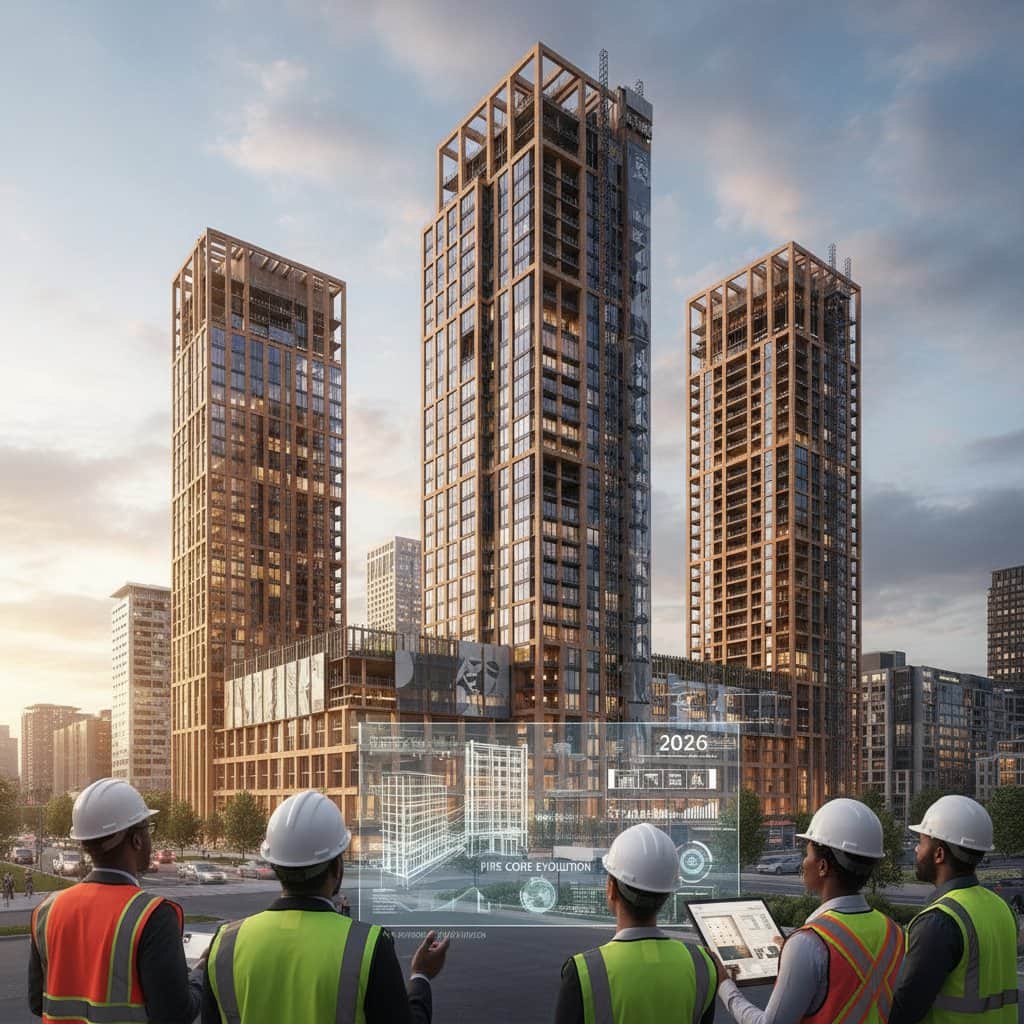
Updated 2026 building codes establish clear standards for taller mass timber structures, reducing approval times and increasing lender confidence in CLT construction.
Loading...
Articles tagged with codes
Updated 2026 building codes establish clear standards for taller mass timber structures, reducing approval times and increasing lender confidence in CLT construction.
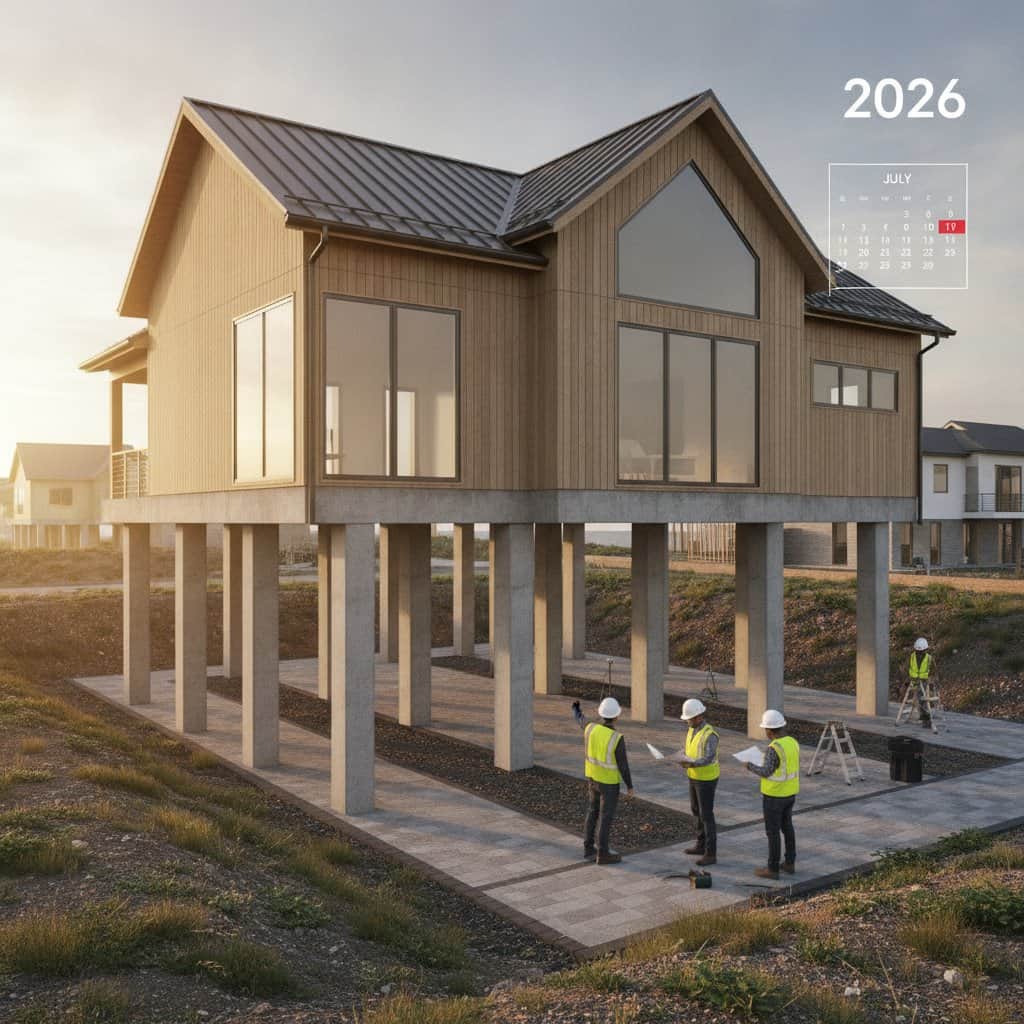
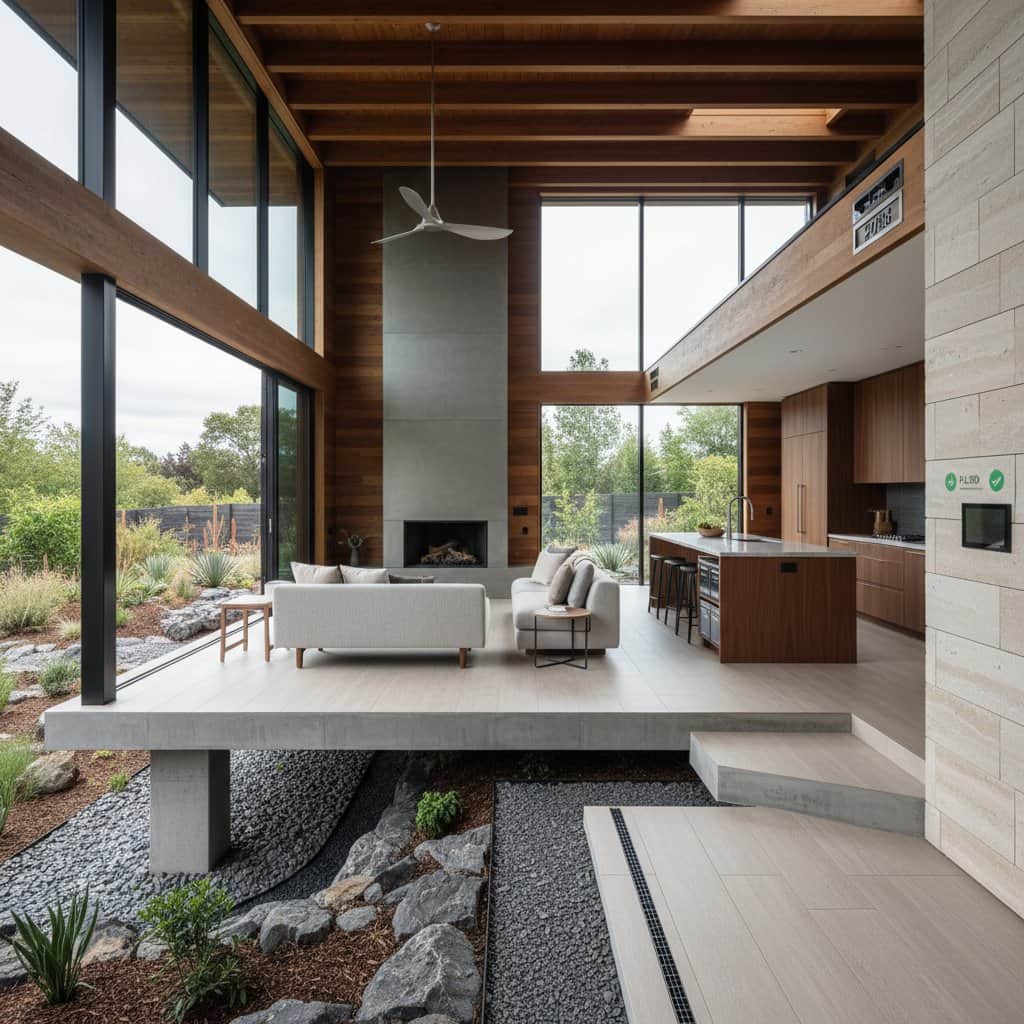
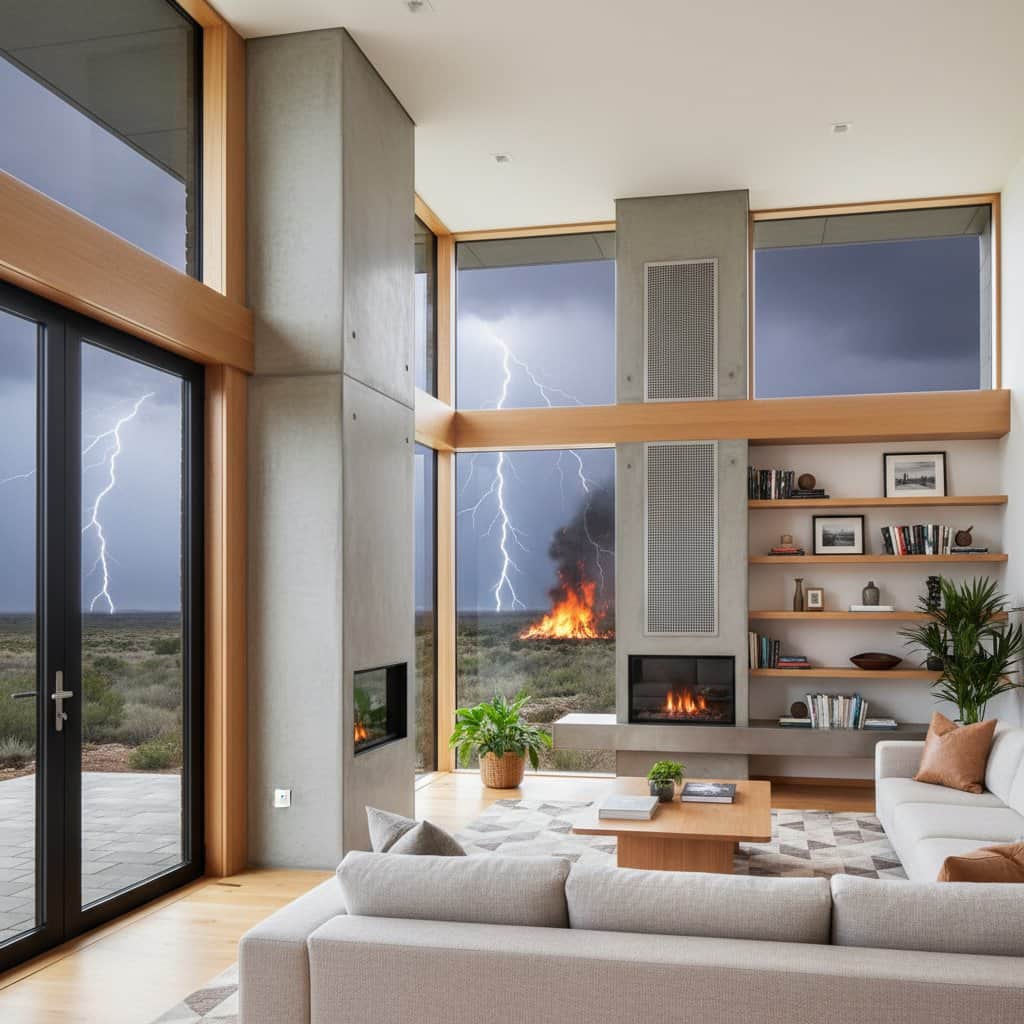
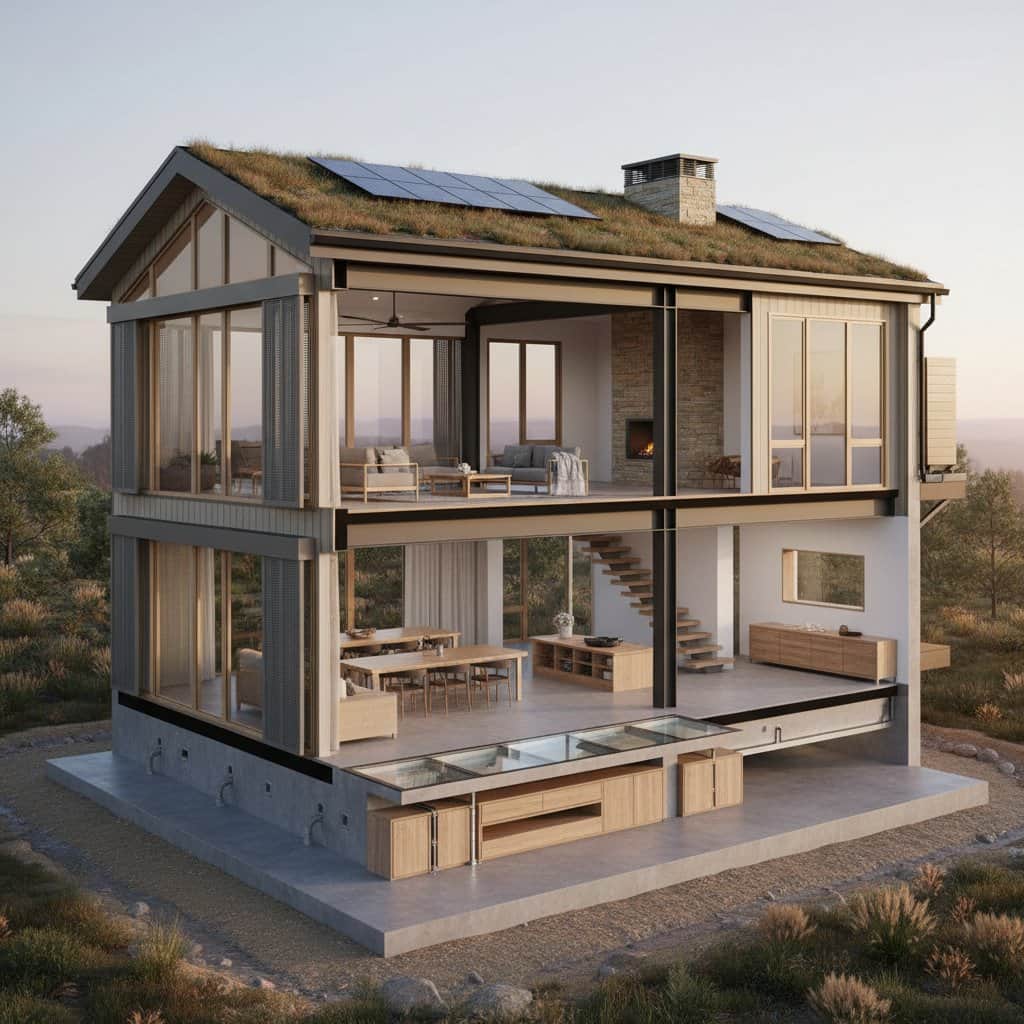
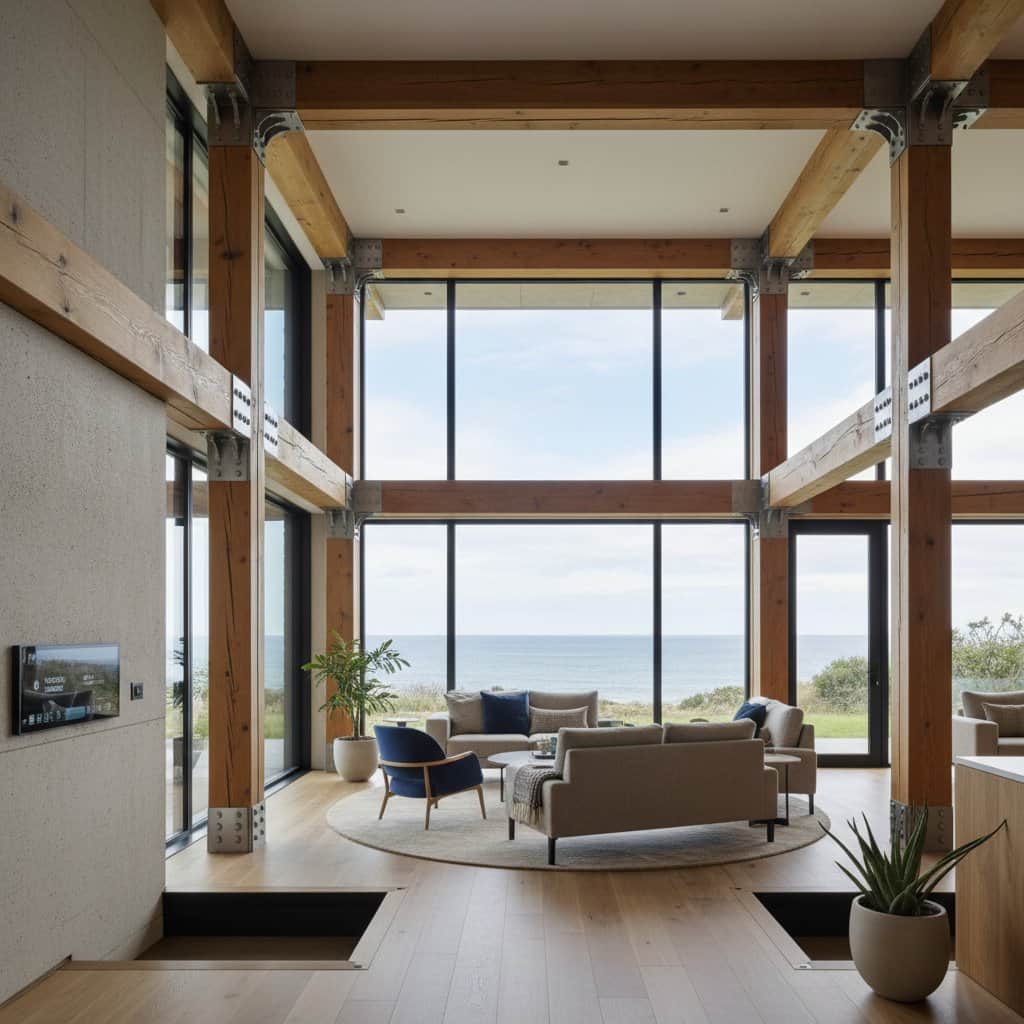
New 2026 building rules emphasize homes that withstand floods and fires through smarter design, durable materials, and climate-specific planning. From raised foundations to ember-resistant roofs, resilience now blends seamlessly with comfort and style. Thoughtful design choices protect families, reduce long-term costs, and reconnect modern living with the natural environment.
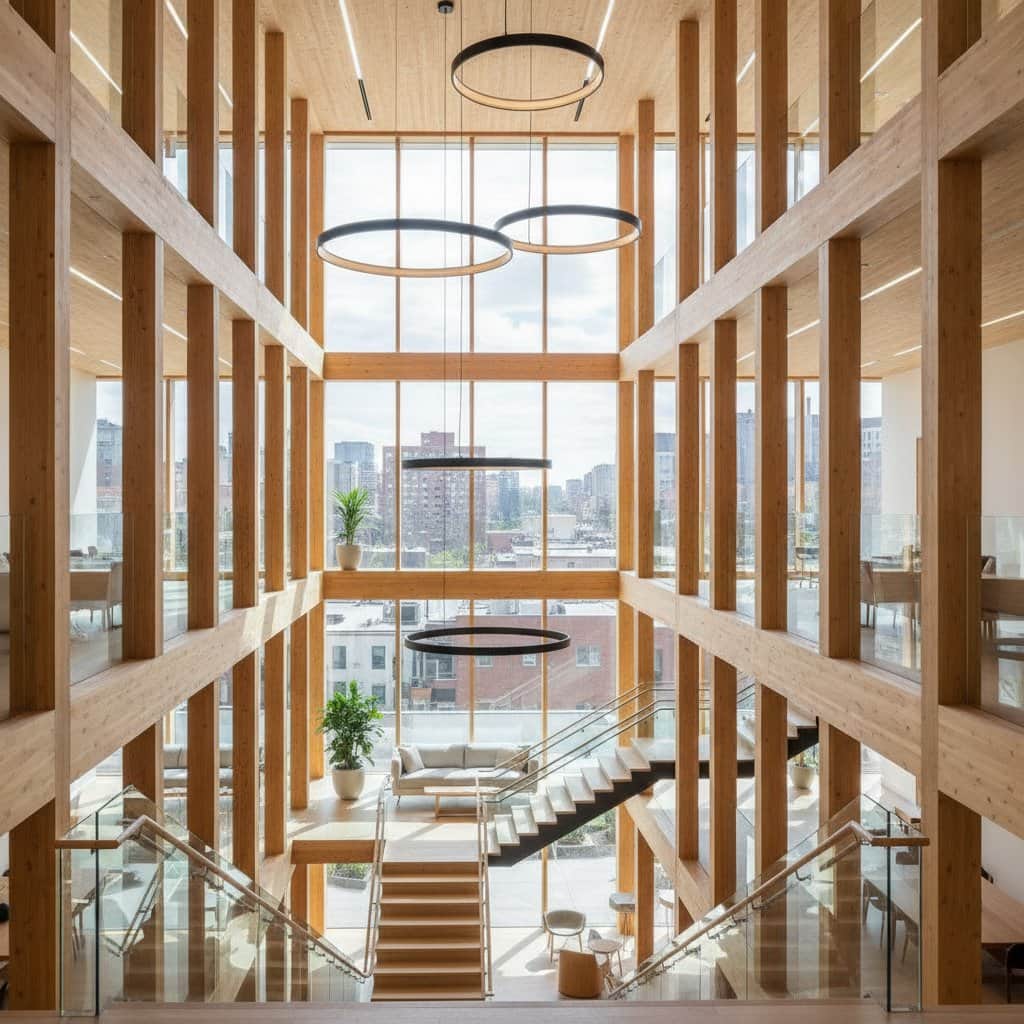
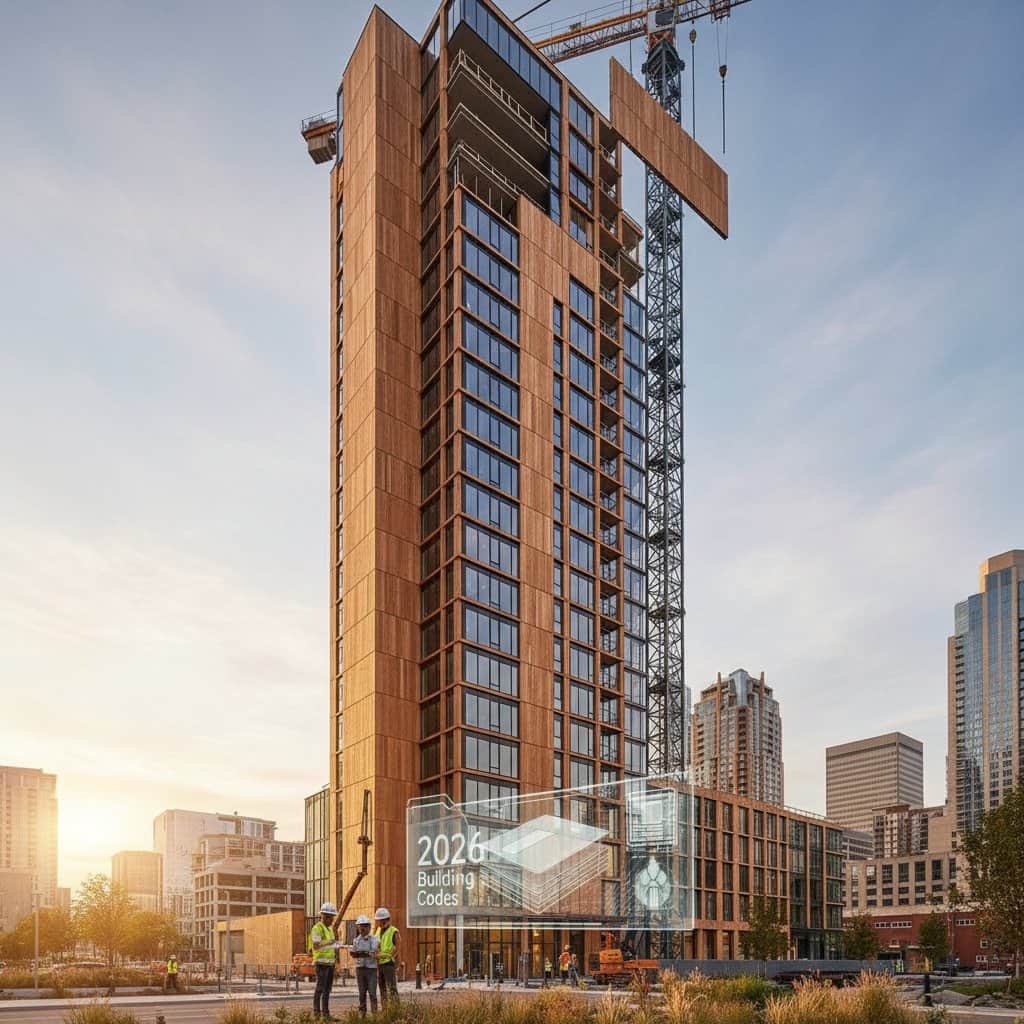
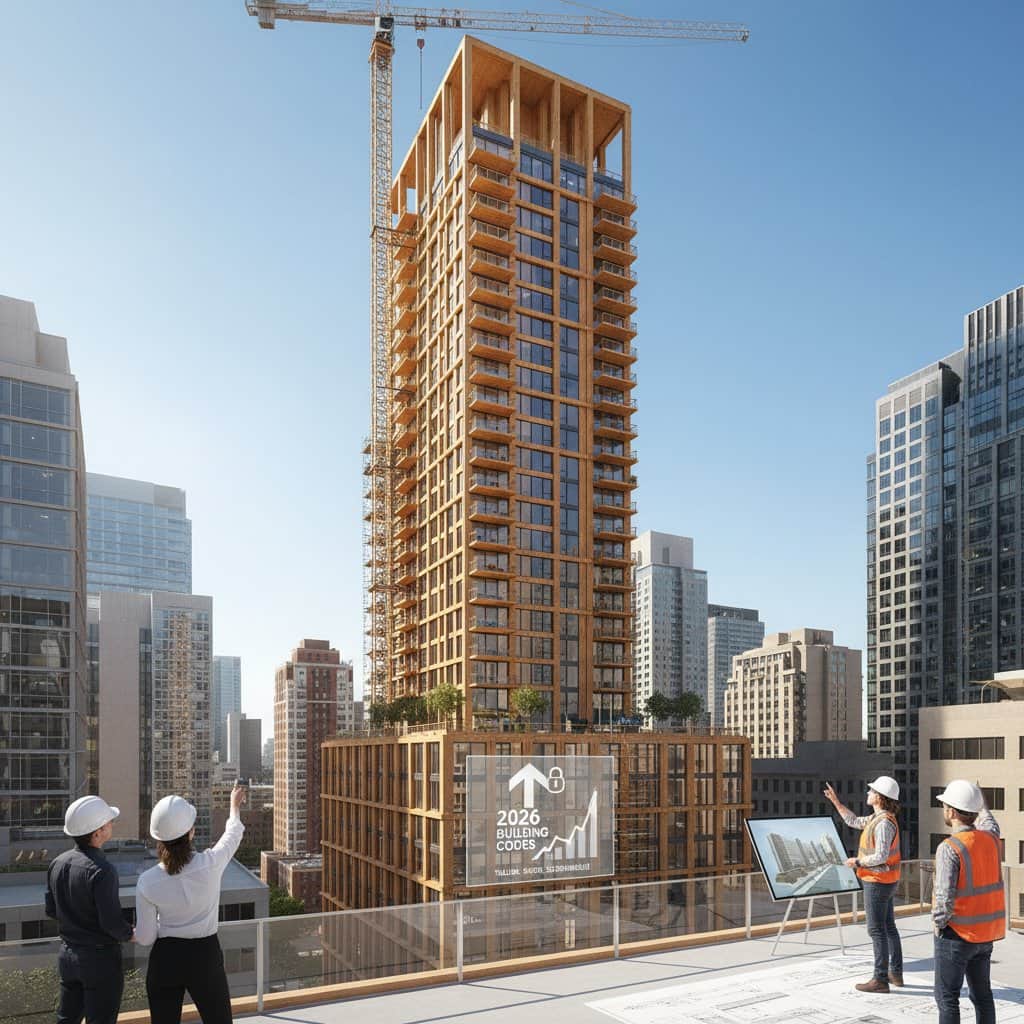
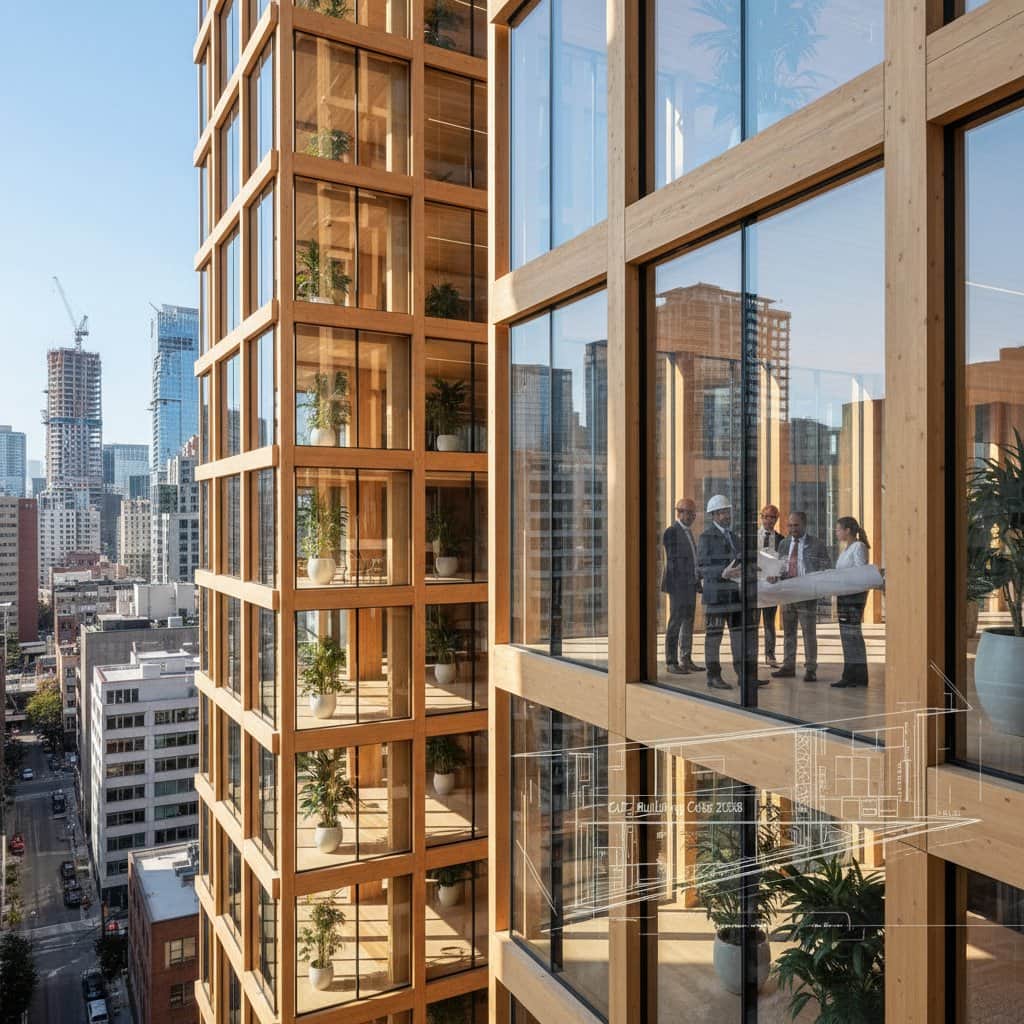
Mass timber construction ascends to new levels with the 2026 building codes, permitting taller structures built from cross-laminated timber. These advancements promote safer designs, accelerated construction timelines, and reduced environmental impact, marking a transformative phase in sustainable urban development for architects, builders, and developers.
The 2026 building codes propel mass timber towers toward mainstream adoption, enabling taller structures, accelerated construction, and superior sustainability. Cost efficiencies, greater design versatility, and carbon sequestration advantages position engineered wood as a viable alternative to steel and concrete. These changes redefine urban skylines, project budgets, and architectural innovation.
The 2026 building codes elevate home durability with enhanced wind resistance, fire-resistant features, and robust structural designs. Innovations such as impact-resistant windows and ember-proof vents enable homeowners to construct secure, enduring residences. Understand how advanced materials, strategic planning, and targeted modifications foster protection and tranquility amid environmental challenges.
The 2026 building codes raise the bar for fire, wind, and flood resilience—without requiring a sky-high budget. Smart planning, durable materials, and early design choices can protect your home, lower insurance costs, and boost long-term value. Build for safety, efficiency, and peace of mind from the foundation up.
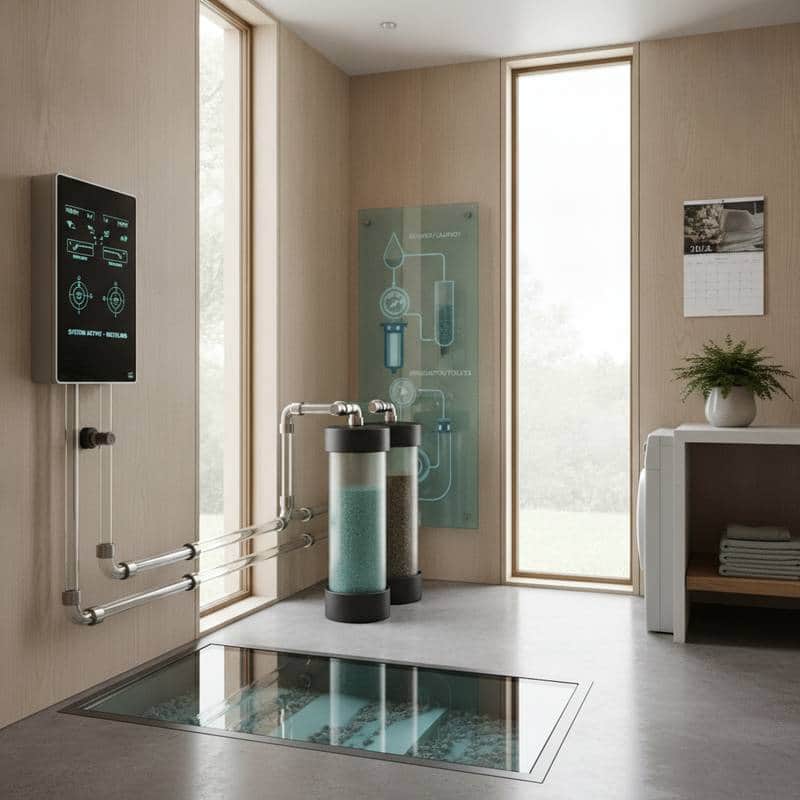
The 2026 building codes prioritize resilience, incorporating fortified roofs, fire-resistant materials, and advanced drainage systems to safeguard homes from hurricanes, wildfires, and intensifying climate events. These standards empower homeowners and builders to create structures that endure disasters, minimize repairs, and provide enduring security in an era of escalating environmental challenges.
Fifteen states have approved building codes for tall mass timber structures, revolutionizing construction with sustainable, efficient alternatives to steel and concrete. These engineered woods offer strength, carbon sequestration, and a natural aesthetic that enhances urban environments and residential spaces alike.
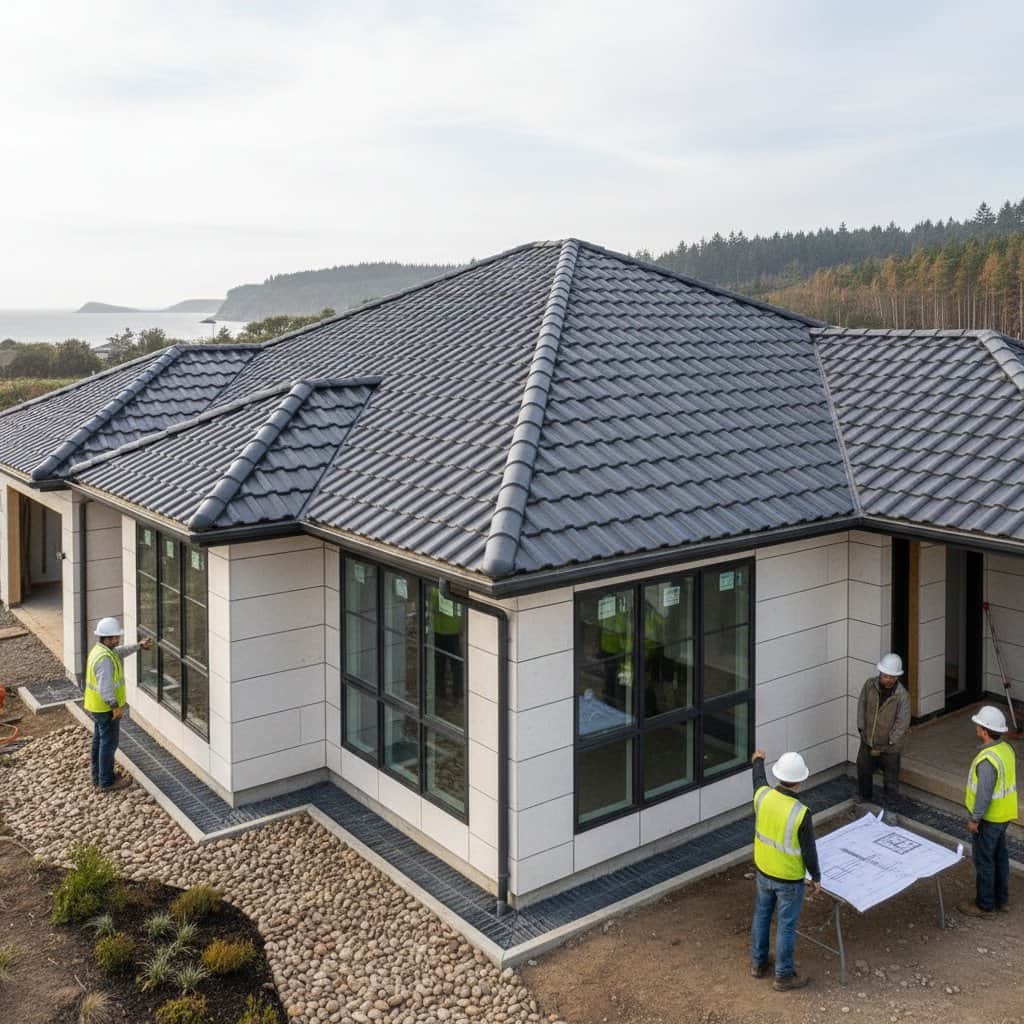
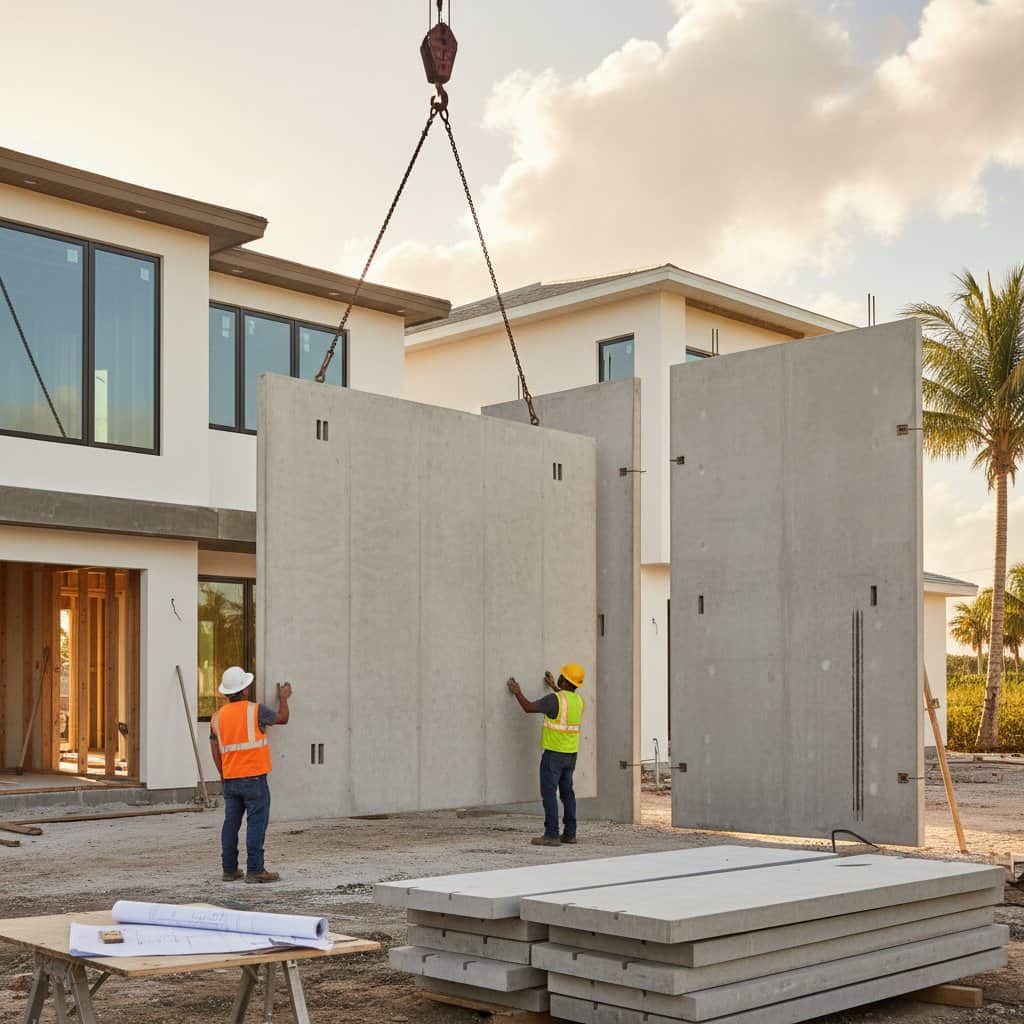
Florida's 2026 building code introduces mandatory hurricane-proof concrete panels for new homes, revolutionizing construction with superior strength, energy savings, and reduced maintenance. This shift addresses escalating storm risks, offering homeowners durable protection and builders efficient methods, despite initial costs.
The 2026 building codes advance home resilience against wildfires, floods, and extreme weather through innovative materials and designs. Fire-rated exteriors, elevated structures, and efficient drainage systems deliver durable, cost-effective protection and serenity amid climate uncertainties.
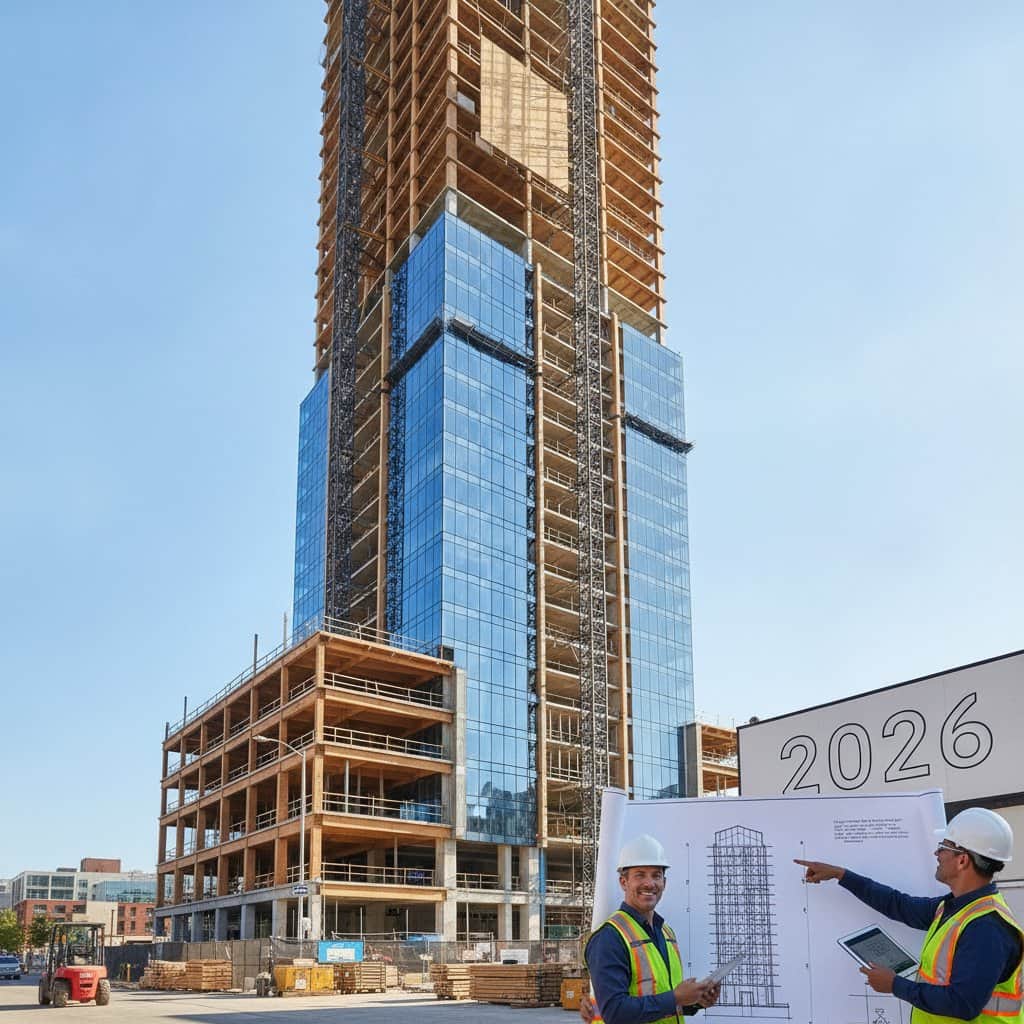
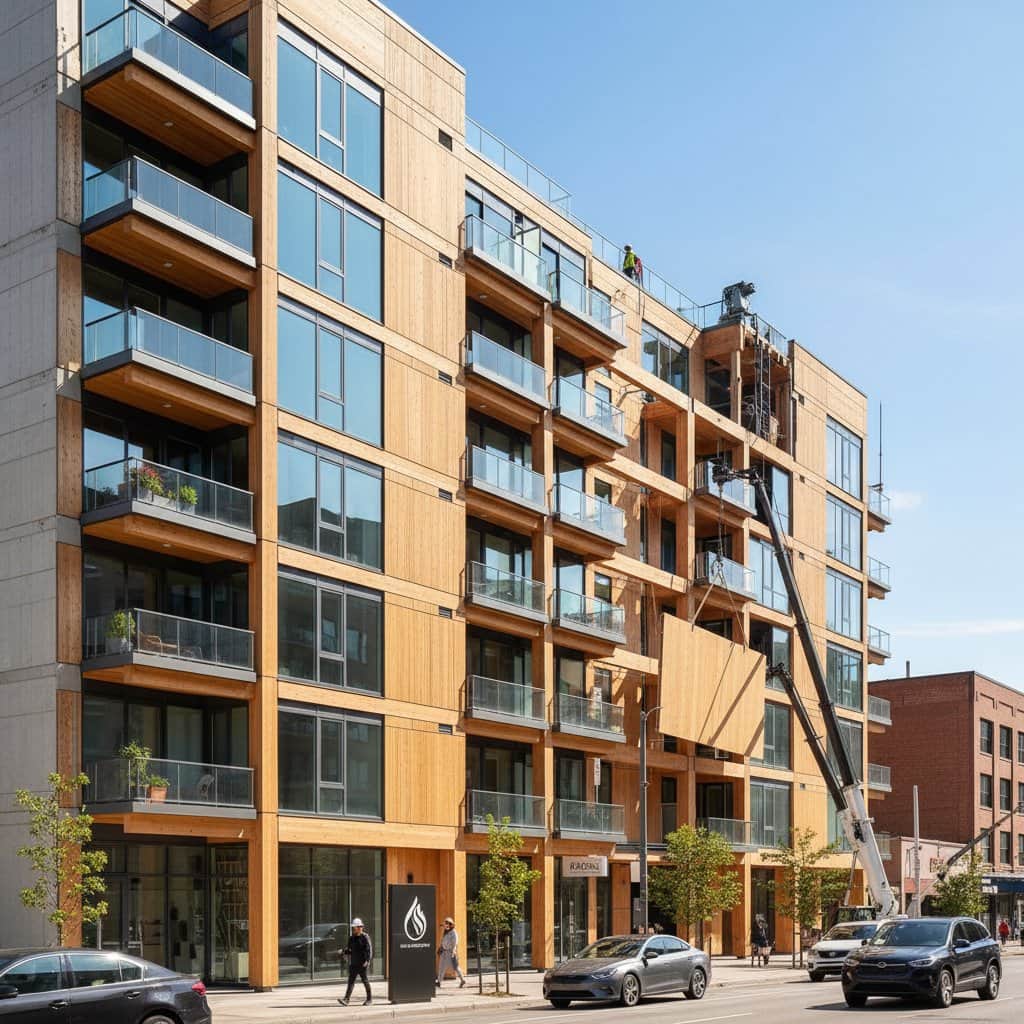
The 2026 fire code revision unlocks opportunities for taller mass timber apartment buildings, emphasizing safety through advanced engineering. This change supports quicker construction timelines, reduced environmental impact, and appealing natural interiors. Learn how these updates are reshaping multifamily housing with wood-based innovation.
The 2026 hurricane-resistant building codes enhance home durability through reinforced connections, advanced materials, and improved water management. Initial investments yield reduced insurance costs, sustained property value, and enhanced security. Discover strategies in modern construction and upkeep to fortify your home against intense weather events.
Mass timber redefines urban high-rises with eco-friendly design and rapid construction. The 2026 fire code updates introduce stringent standards for testing, containment, and suppression, offering builders a roadmap to safer, innovative projects.
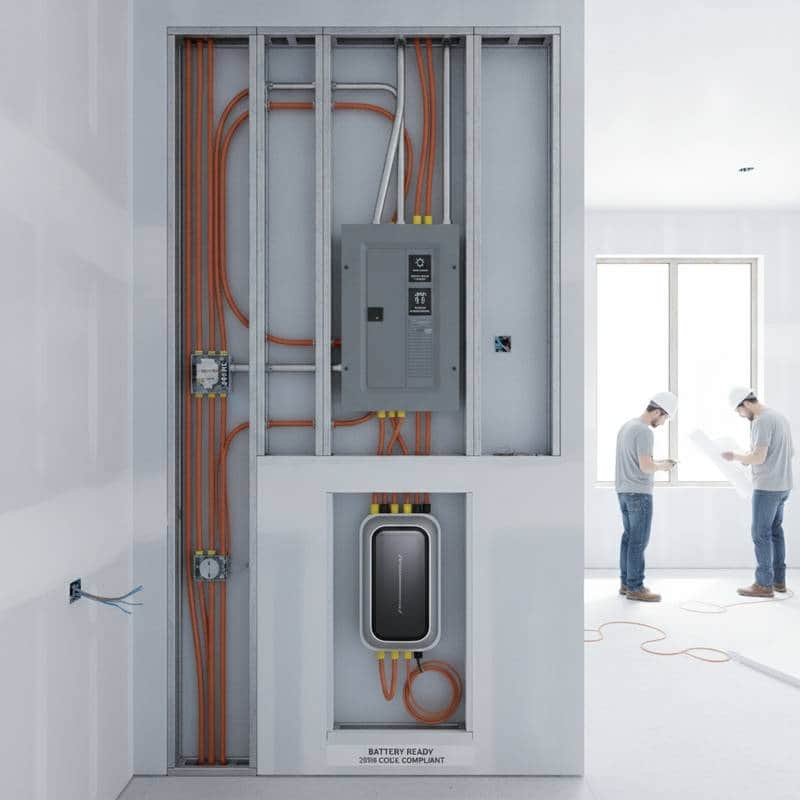
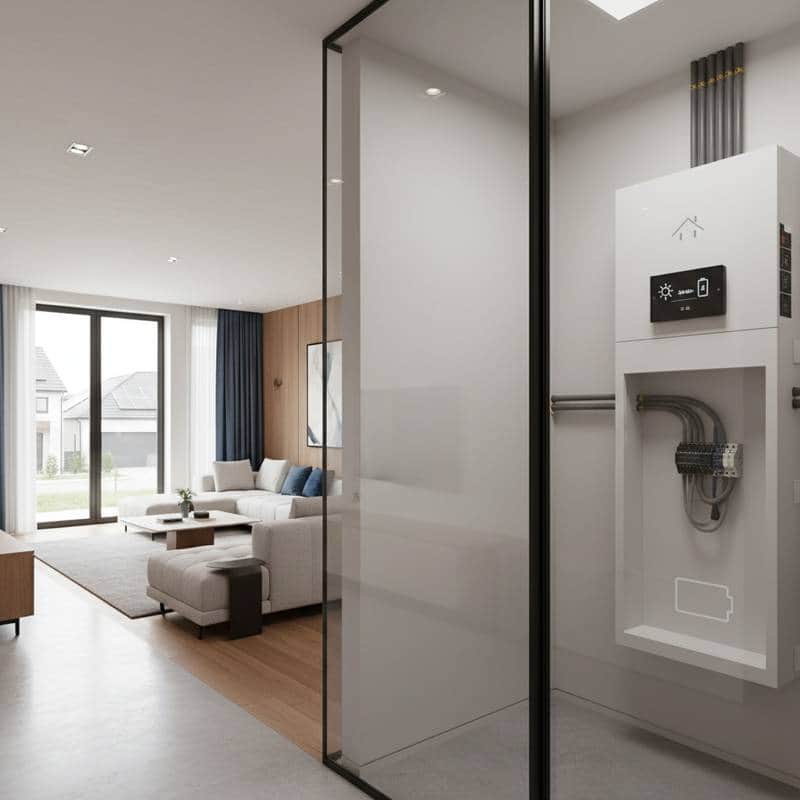
Upcoming 2026 building codes transform smart home construction by mandating battery-ready infrastructure. This preparation includes dedicated wiring, panels, and spaces that prevent expensive retrofits while supporting solar energy storage, outage resilience, and sustainable communities.
Building codes set for 2026 will elevate mass timber construction, permitting taller structures that prioritize sustainability and efficiency. Cross-laminated timber demonstrates exceptional strength and environmental benefits, transforming urban development. Gain insights into these regulations, practical design strategies, and project examples to guide your wood-based builds.
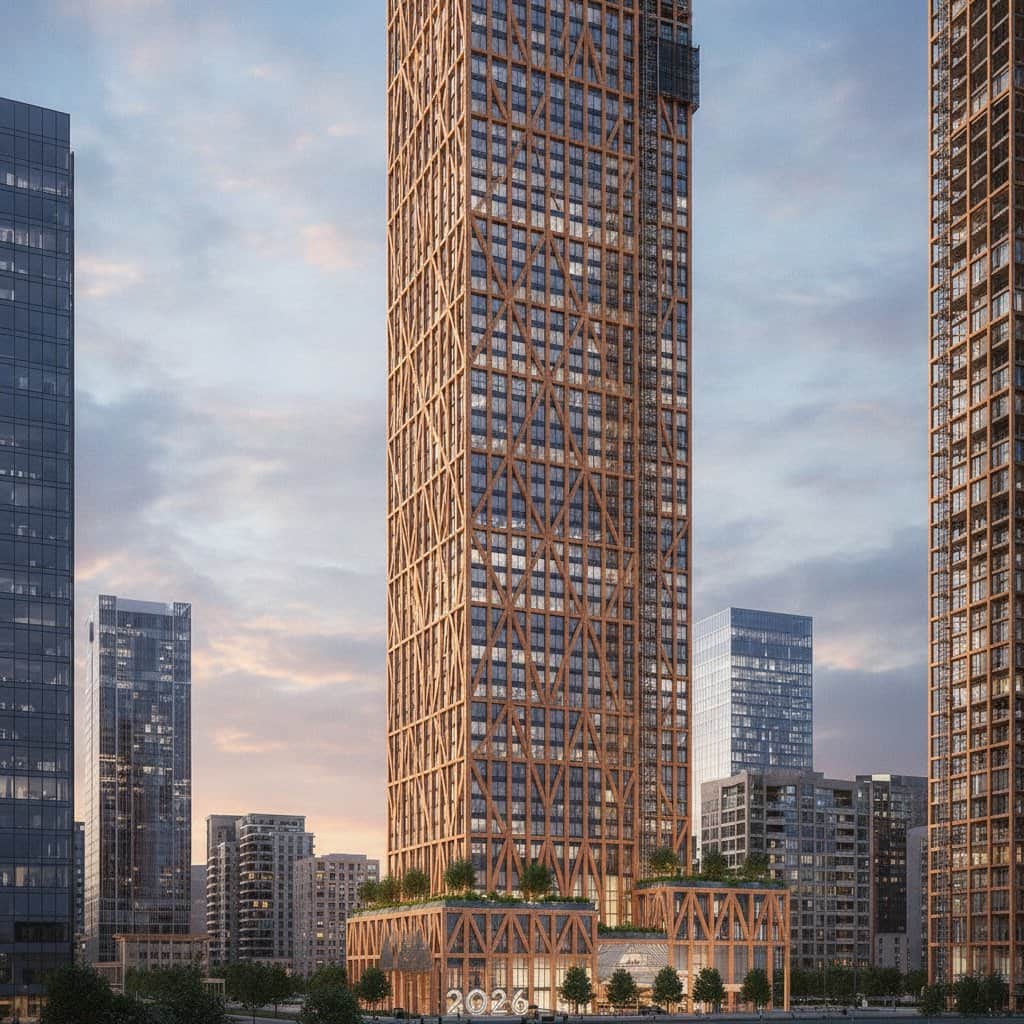
Building codes now permit mass timber high-rises reaching 18 stories, transforming tall construction through superior strength, sustainability, and efficiency. This innovation provides builders with lighter materials, reduced assembly times, and minimized carbon emissions. While hurdles such as fire safety validation and material supply remain, this advancement heralds a more sustainable and inviting era for city landscapes.
Recent building code updates permit five-story mass timber mid-rises, integrating sustainable practices with the inherent warmth of wood. Engineered materials such as cross-laminated timber and glulam lower carbon emissions, accelerate building timelines, and foster serene, nature-inspired environments. Urban areas benefit from increased density and visual appeal, demonstrating that contemporary development can remain connected to natural elements.
Twelve states mandate fire-resistant siding for new residential construction beginning in 2025, favoring materials such as fiber cement, metal, and treated wood. These choices not only mitigate wildfire risks but also yield insurance discounts, elevate property values, and preserve aesthetic appeal, positioning them as a prudent investment for homeowners.
The 2025 building codes transform home design to address climate challenges, integrating fire-resistant materials, effective drainage, and defensible landscaping to safeguard against wildfires and floods while boosting efficiency and community well-being.
Mass timber high-rises gain 2025 fire code approval, validating wood's safety and eco-friendliness. CLT panels provide steel-like strength, char for fire protection, and lower emissions, fostering sustainable, inviting urban spaces.