Hempcrete Enters the Mainstream: Achieving Carbon-Negative Construction by 2026
Picture entering a home that maintains a naturally cool temperature in summer and gentle warmth in winter. The walls allow air to circulate, the environment feels fresh, and the atmosphere promotes serene comfort. Homes constructed with hempcrete demonstrate the essence of sustainable living: solid structure paired with an organic connection to the natural world. This material represents significant progress in natural building techniques and signals its imminent widespread adoption.
Addressing the Carbon Burden in Traditional Construction
Conventional materials such as concrete and steel provide strength, yet they impose a substantial environmental cost. The production of cement emits vast quantities of carbon dioxide, while many insulation options incorporate persistent chemicals. Builders and homeowners confront a pressing challenge: how to construct resilient, aesthetically pleasing structures without exacerbating climate change.
Hempcrete presents a viable solution that combines innovation with proven methods. Although the material has existed for decades, it now receives the recognition it merits. Hempcrete consists of hemp hurds, the inner woody portion of the hemp plant, mixed with lime and water. This combination yields a lightweight, insulating material with notable strength. During the curing phase, it captures carbon dioxide from the atmosphere, resulting in a net carbon-negative impact over its lifespan.
Seizing the Potential of Carbon-Sequestering Builds
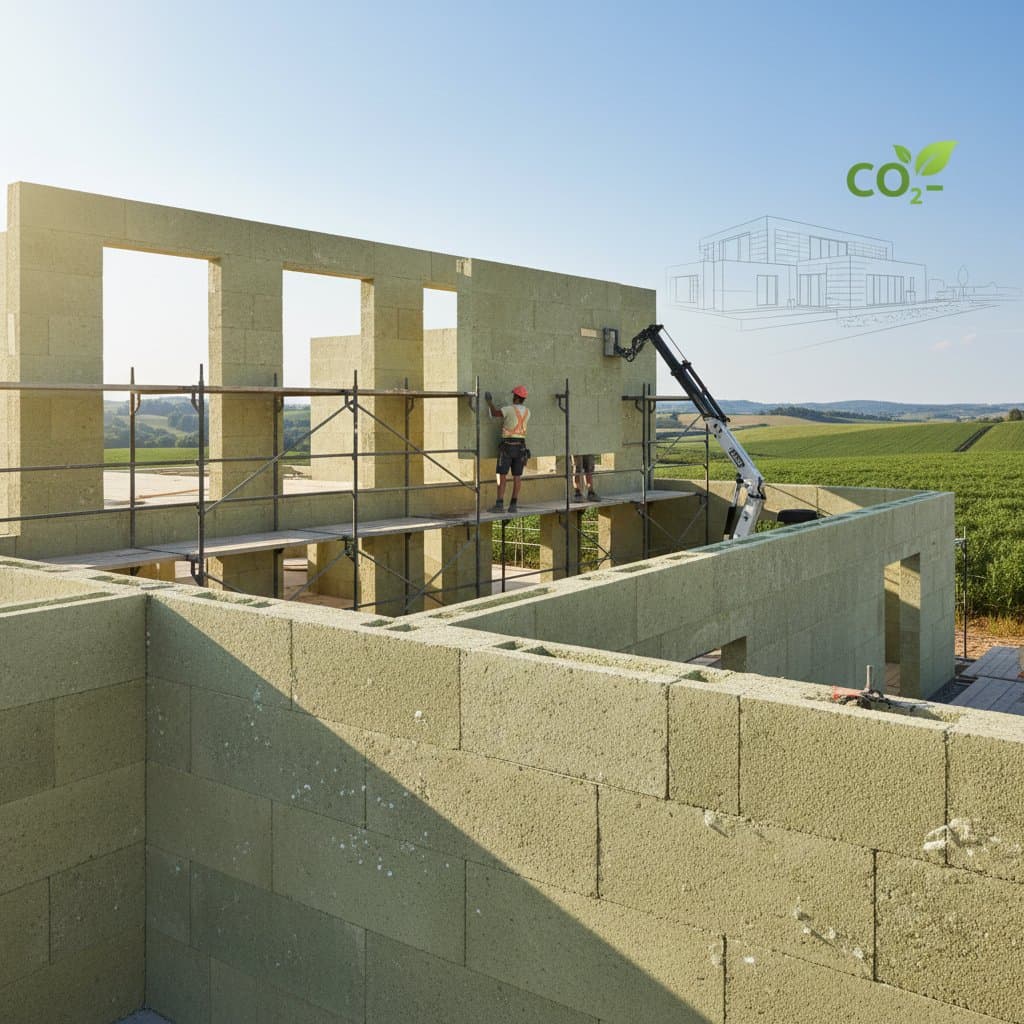
Consider walls that actively capture carbon rather than emit it. Hempcrete's sequestration capability positions it as a leading option among sustainable building materials. Beyond theoretical benefits, it delivers reliable performance in actual residences. Professionals in various regions apply hempcrete through blocks, sprays, or prefabricated panels to streamline construction.
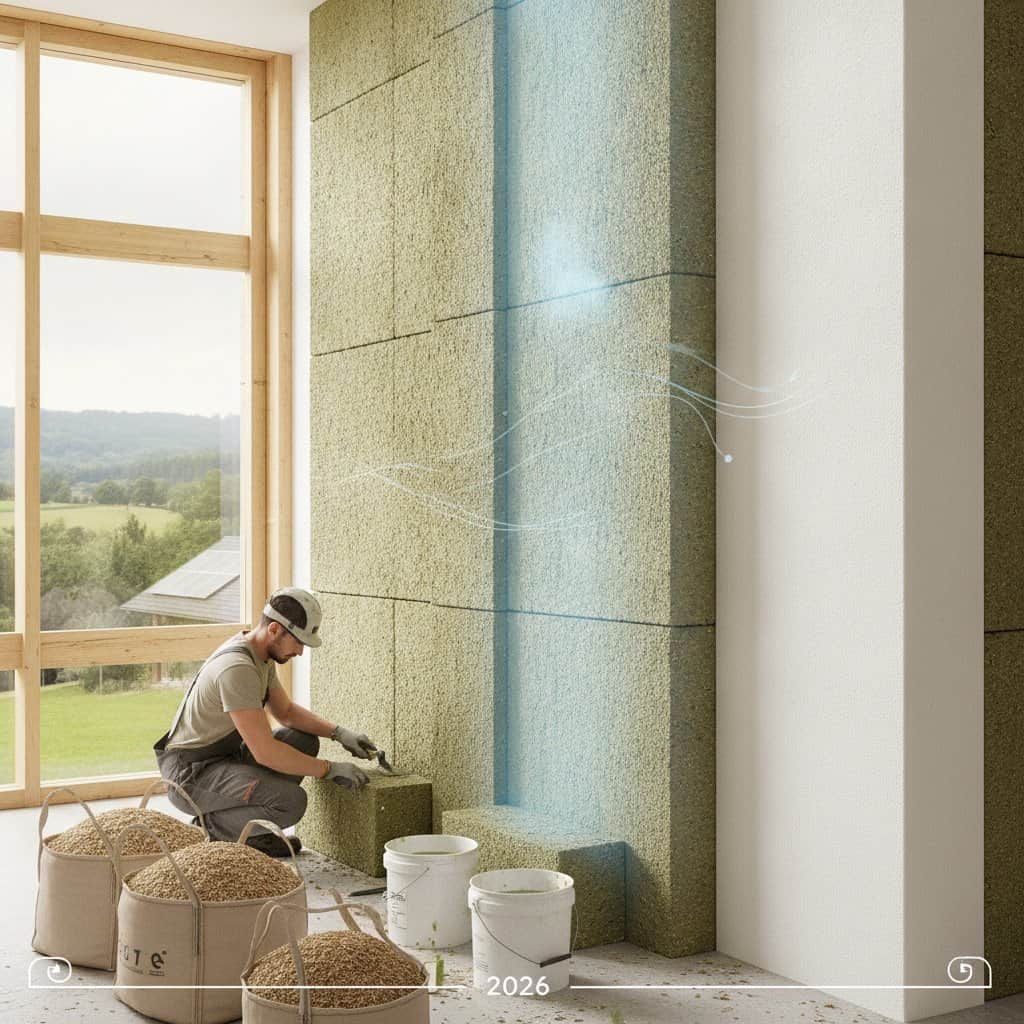
One key advantage lies in its compatibility with standard building practices. It integrates seamlessly with timber or steel frames and complements natural coatings such as lime plaster or clay paint. The outcome is a vapor-permeable wall assembly that naturally manages temperature and humidity levels.
Understanding Hempcrete's Composition and Process
Hempcrete operates distinctly from traditional concrete, serving primarily as an insulating filler rather than a load-bearing element. The creation process unfolds as follows:
-
Preparation – Hemp hurds blend with a lime-based binder and water. The mixture develops a textured consistency with an earthy aroma, suitable for manual or mechanical mixing.
-
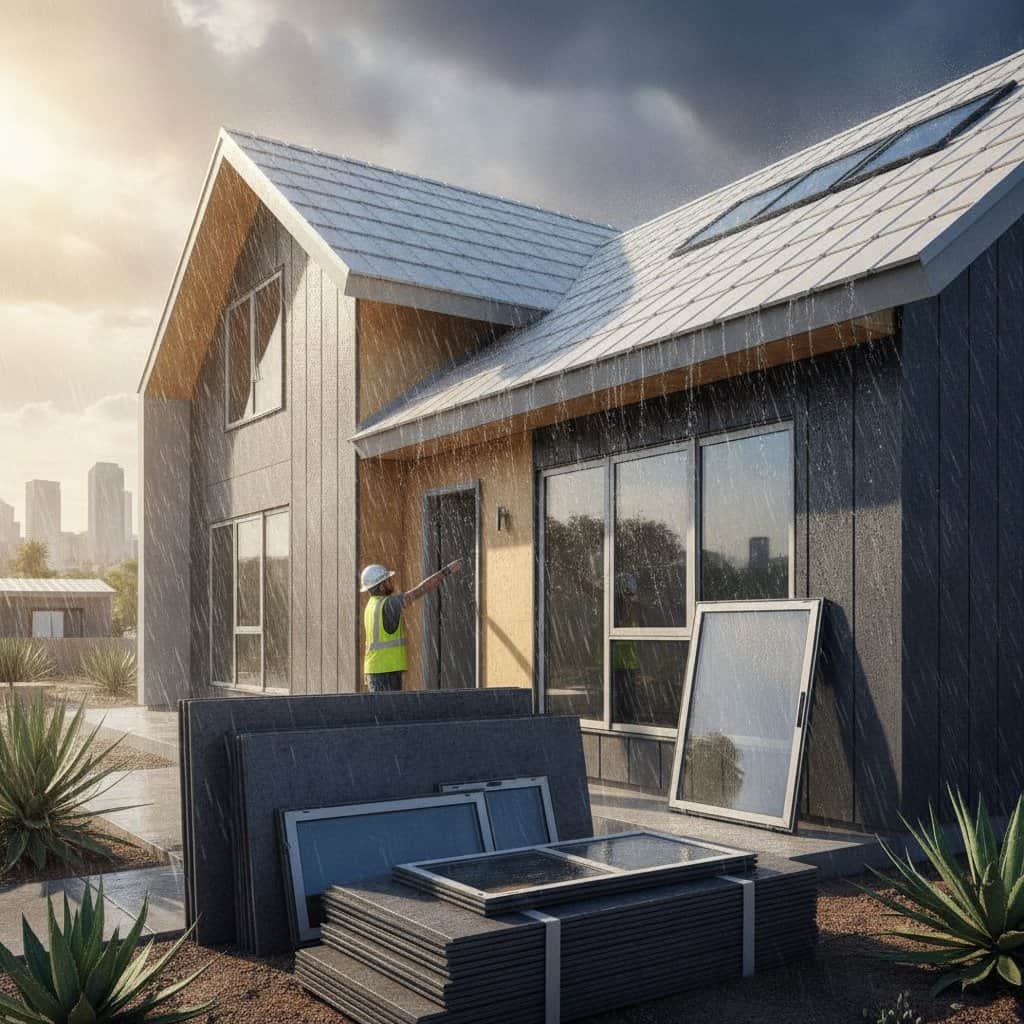
Application – The damp mixture fills forms around a structural frame via tamping or spraying. Initial setting occurs within hours, although full curing requires additional time.
-
Completion – After drying, apply permeable plasters to the surface. This design facilitates moisture exchange, which inhibits mold growth and maintains interior dryness.
The lime undergoes carbonation during curing, reabsorbing atmospheric CO2 and permanently storing it within the material.
Key Reasons for Adoption Among Builders and Residents
Interest in hempcrete extends beyond environmental appeals; it addresses tangible concerns for daily living.
-
Thermal Regulation – Hempcrete stabilizes indoor temperatures, minimizing fluctuations. In humid conditions, it preserves a consistent, comfortable climate without excessive reliance on mechanical systems.
-
Indoor Environment – Free from volatile organic compounds, the material supports superior air quality. Individuals with sensitivities to pollutants benefit from this non-toxic composition.
-
Longevity – Resistant to pests, fire, and decay, hempcrete endures due to the lime's antimicrobial properties and its breathable nature, which averts trapped moisture.
-
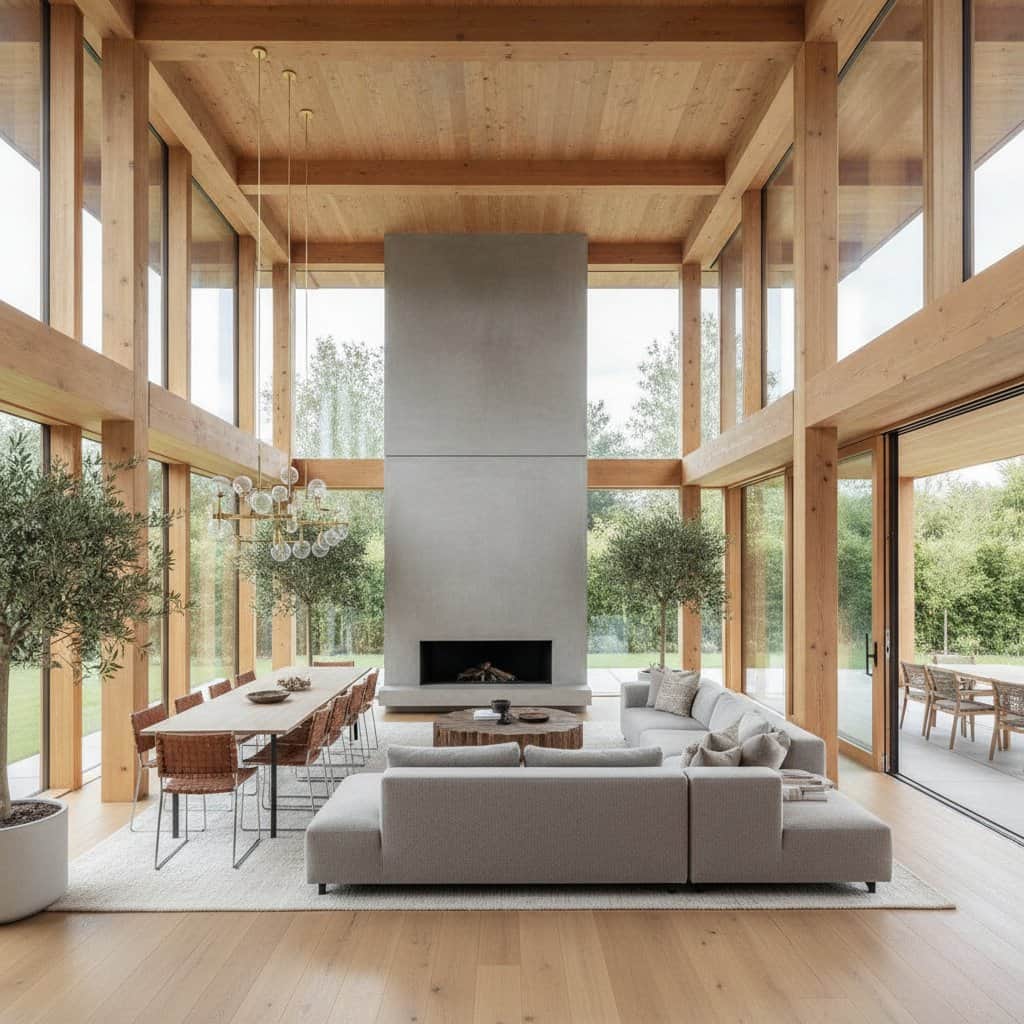
Aesthetic Appeal – Paired with lime or clay finishes, it offers a subtle, textured surface that enhances both traditional and contemporary interiors.
Evaluating Economics, Sourcing, and Accessibility
A common inquiry concerns the financial aspect. Hempcrete exceeds the cost of basic concrete or insulation per volume, yet lifecycle analysis reveals substantial savings. Reduced demands on heating and cooling systems offset initial expenses, and the material requires minimal upkeep over decades.
For modest projects, expenses align with mid-range conventional options. Energy efficiency yields ongoing reductions in utility bills, complemented by the environmental value of carbon storage. To source materials, identify local hemp cultivators and lime providers. Emerging suppliers deliver premixed formulations or molded blocks, often accompanied by instructional sessions that cover mixing and placement techniques.
Essential Design and Implementation Guidance
Integrating hempcrete demands thoughtful planning to align with project objectives.
-
Framing Choices – Pair it with a supportive skeleton, typically timber, which harmonizes visually and structurally with the infill.
-
Dimensional Planning – Expect greater wall thickness, which subtly alters spatial dynamics. Deep sills around windows can accommodate decorative elements like shelving or greenery.
-
Surface Treatments – Select vapor-permeable options exclusively. Opt for limewash or clay-based plasters to preserve the system's functionality.
-
Timeline Management – Account for extended curing periods before finishing. Allow weeks for optimal hardening, yielding a resilient, tactile surface.
Hempcrete's Alignment with Evolving Construction Practices
The move toward eco-conscious materials defines the trajectory of the industry. Hemp cultivation occurs rapidly with low water needs and enriches soil quality. The plant's versatility spans fibers for fabrics, seeds for nutrition, and hurds for construction, while it generates more oxygen than many trees, aiding carbon reduction efforts.
In structures, hempcrete supplants numerous synthetic components prone to waste. At the end of service, it crumbles harmlessly for reuse or natural decomposition, embodying a closed-loop approach that the sector actively pursues.
Steps to Incorporate Hempcrete in Your Project
Begin with modest applications to build familiarity. Consider using hempcrete for outbuildings, studios, or additions to observe its behavior through seasonal changes.
For comprehensive builds, collaborate with specialists in bio-based materials. These experts integrate hempcrete into refined, efficient designs, often alongside renewables like solar panels or salvaged timber for holistic sustainability.
Sustainable construction enhances rather than compromises livability and elegance. Hempcrete realizes this by fostering environments that nurture health and ecological balance simultaneously.