2026's Leading Materials for Homes Resistant to Wildfires and Floods
During a recent visit to assist a friend with repainting her porch, she shared details about her neighbor's home, reconstructed following a wildfire. The exterior appeared unassuming from afar, yet upon closer inspection, the walls remained cool under the midday sun, and the roof featured a subtle matte finish that reflected light softly. This experience highlighted the critical role of building materials in enhancing home safety amid increasing environmental challenges.
The Growing Importance of Resilient Building Materials
Residents in regions prone to dry summers or intense seasonal rains recognize the value of selecting appropriate building materials. These choices extend beyond aesthetics to influence a home's ability to withstand fire, water, and prolonged exposure. Contemporary resilient materials integrate seamlessly into inviting living environments, providing discreet yet effective protection for essential elements.
Key Features of Wildfire-Resistant Homes
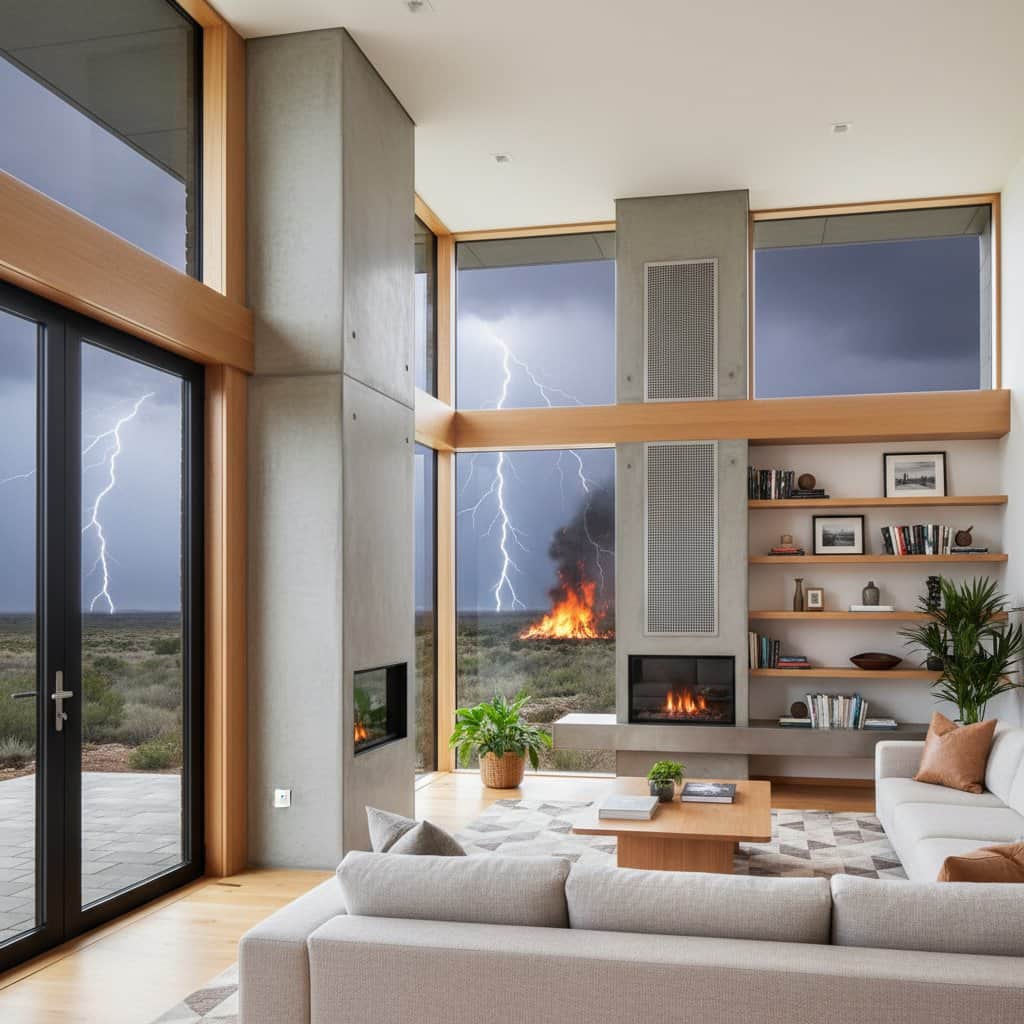
Constructing a home resistant to wildfires requires emphasis on non-combustible exteriors that minimize ignition risks. Consider the following materials, which experts recommend for their proven performance:
-
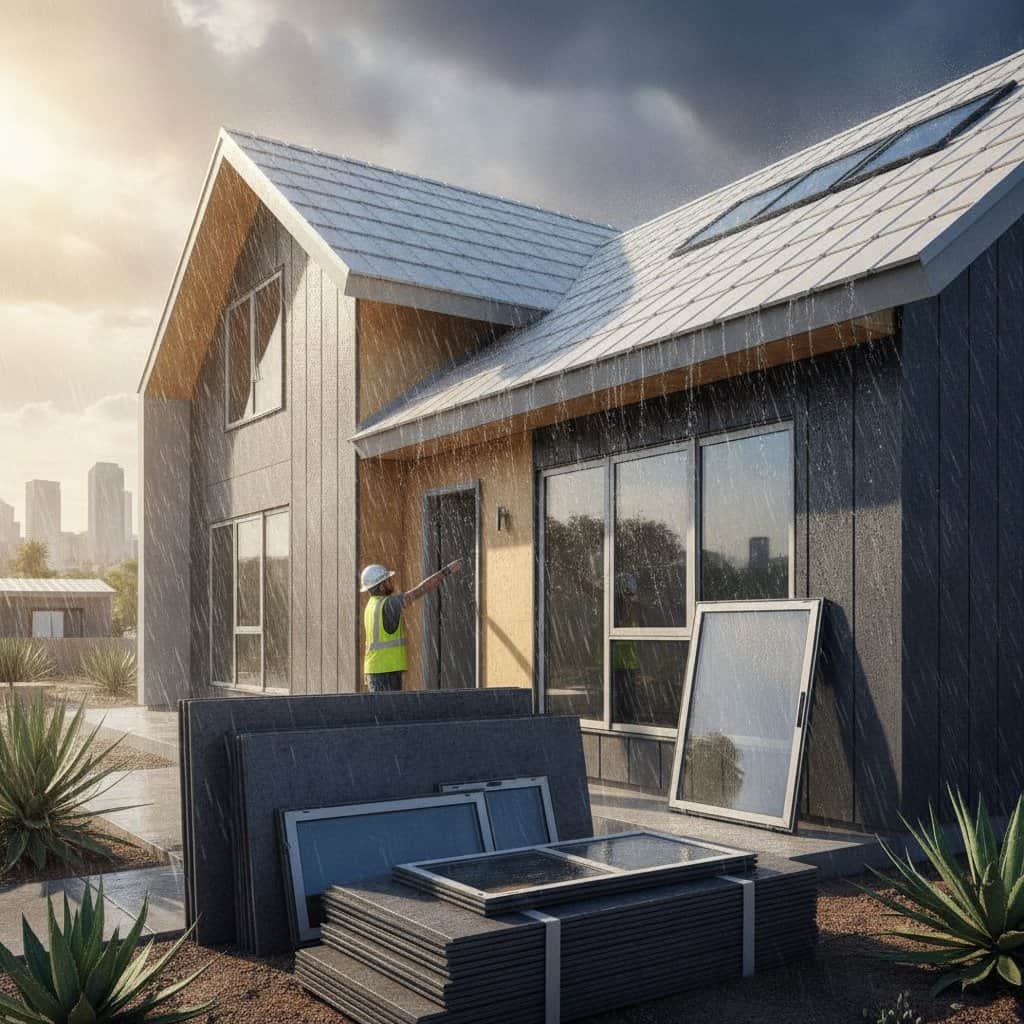
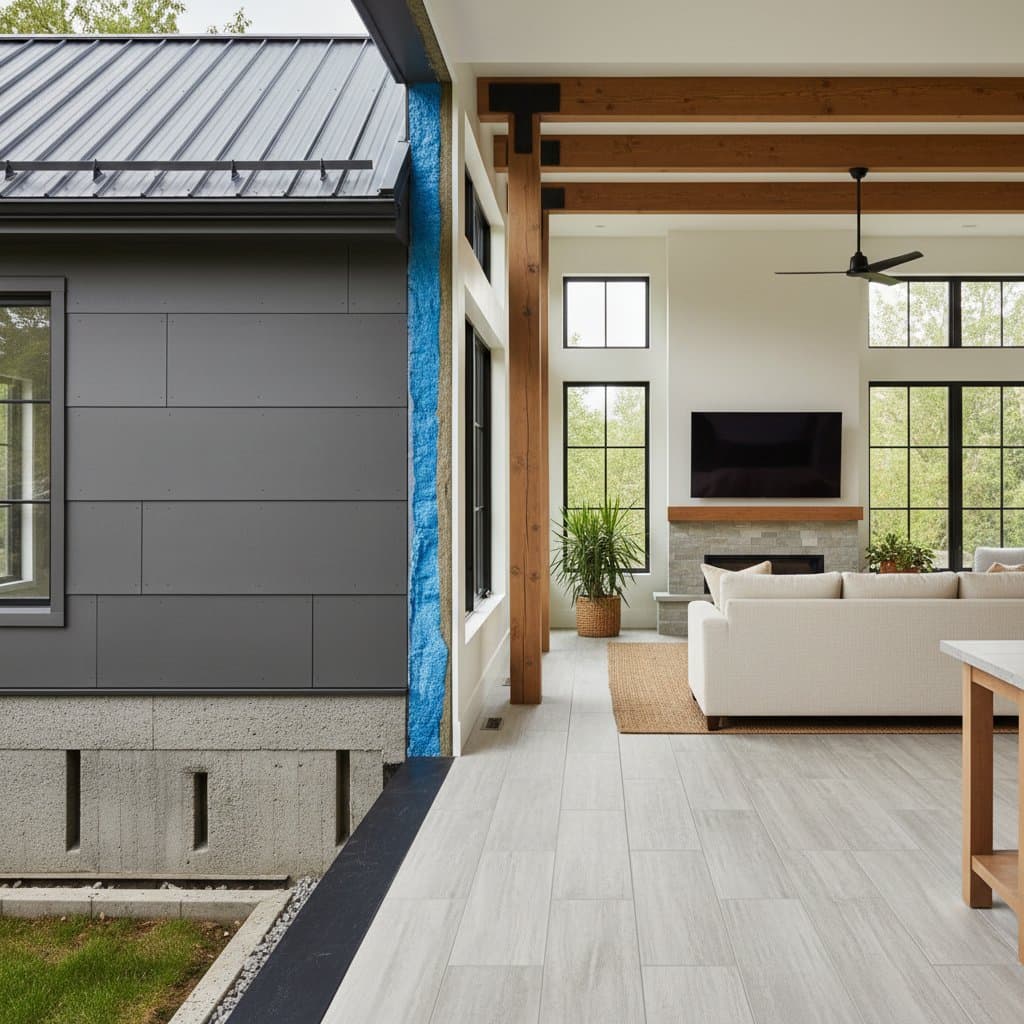
Fiber cement siding. Composed of cement, sand, and cellulose fibers, this siding withstands flames, pests, and humidity while replicating the appearance of wood or stone. It offers exceptional strength, requires minimal upkeep, and comes in earthy tones suitable for contemporary or traditional architectures. To install, ensure proper sealing around joints to enhance moisture resistance.
-
Metal roofing. These roofs, often made from steel or aluminum, prove lightweight and highly reflective, effectively deflecting embers and radiant heat. They contribute to temperature regulation, potentially reducing energy expenses for cooling. Opt for standing seam profiles to facilitate efficient water runoff and achieve a refined, modern look.
-
Tempered glass windows. Featuring double panes with a heat-tempered outer layer, these windows endure high temperatures and impacts from debris. Combine them with frames of metal or composites for comprehensive shielding. Select low-emissivity coatings to maintain interior comfort during heat events.
-
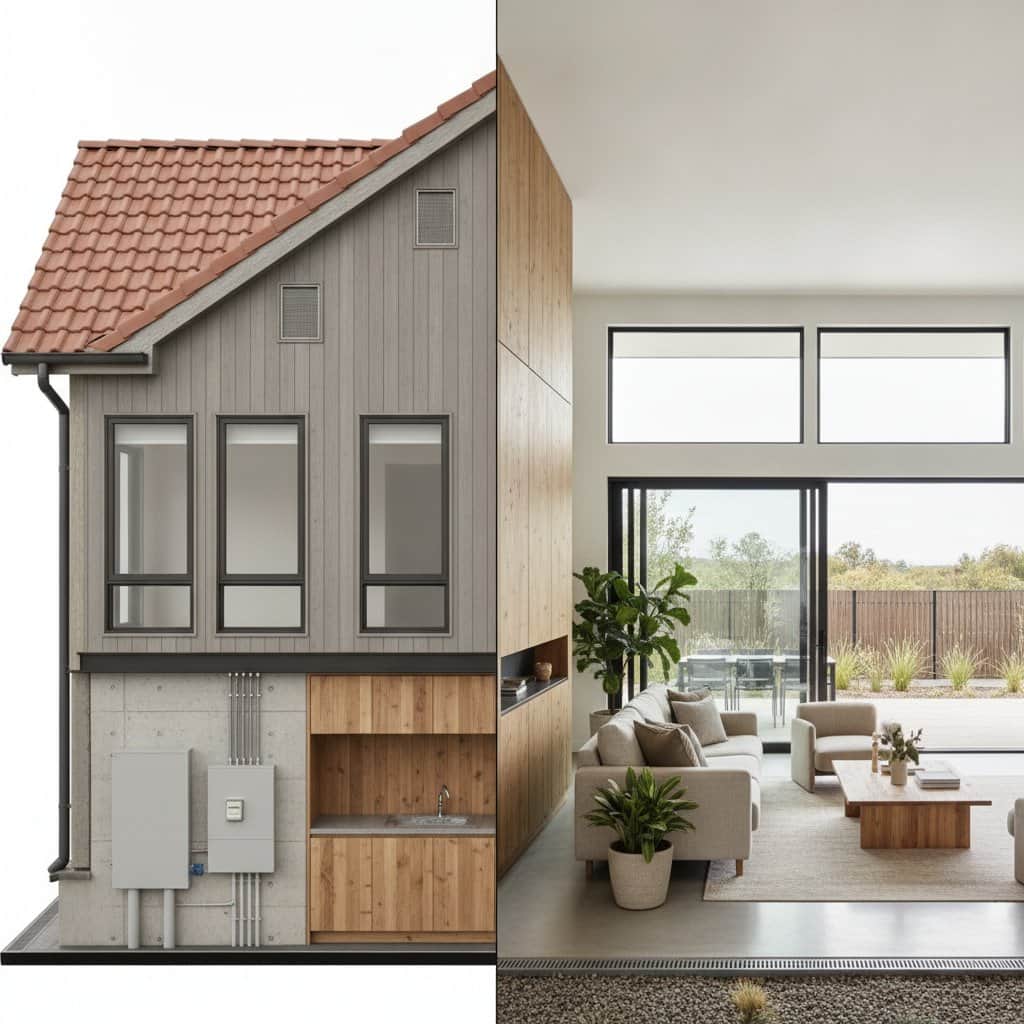
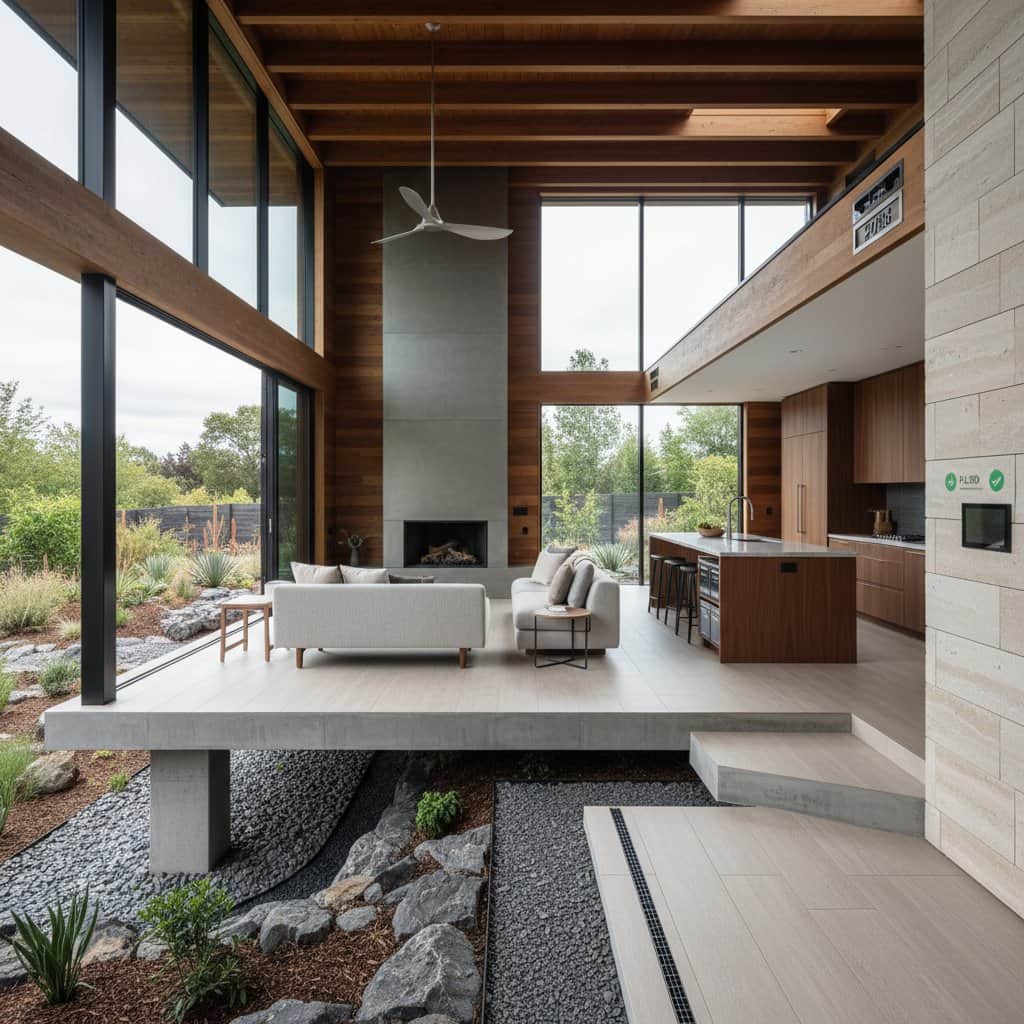
Concrete and stucco finishes. Time-tested for durability, these surfaces perform reliably in extreme heat and can incorporate pigments in hues such as beige or reddish-brown. Apply stucco over concrete bases for added texture and weatherproofing, ensuring even application to prevent cracking.
These selections preserve visual appeal, allowing natural light to filter through while delivering underlying fortitude. Homeowners can achieve timber-like warmth without compromising on safety standards.
Strategies for Enhancing Flood Resistance
Flood protection prioritizes materials that repel water penetration, facilitate rapid drying, and inhibit mold growth. The objective involves selecting options that maintain integrity during submersion and simplify post-event recovery.
-
Insulated concrete forms (ICFs). These modular blocks form solid, insulated walls capable of withstanding prolonged moisture exposure without structural compromise. They provide thermal efficiency and allow for straightforward drying processes after inundation. Builders should integrate drainage systems at the foundation to optimize performance.
-
Ceramic or porcelain tile. Ideal for flooring and lower wall applications, these tiles repel water effectively and support easy sanitation. Choose designs with subtle patterns to infuse personality into utilitarian areas. Install with waterproof grout to seal against seepage.
-
Closed-cell spray foam insulation. This dense foam variant blocks water infiltration through walls, unlike permeable alternatives, while enhancing structural stability and thermal performance. Apply it in attics and crawl spaces for comprehensive coverage, verifying even distribution to avoid voids.
-
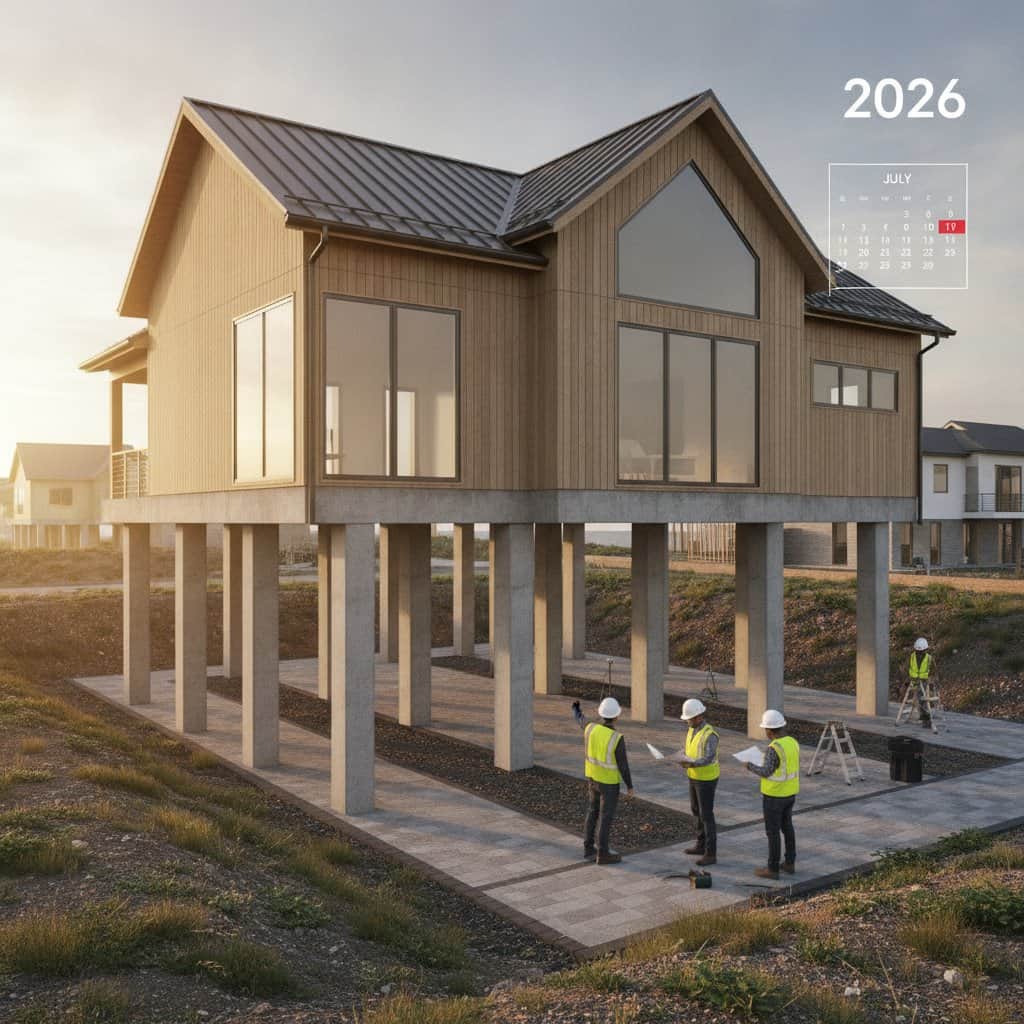
Pressure-treated wood or composite decking. Suited for exterior patios and walkways, these options resist rot and decay far better than natural lumber. They develop a patina over time with little intervention. For longevity, elevate installations above grade and apply sealants periodically.
Harmonizing Protection with Aesthetic Appeal
Selecting durable materials need not compromise on comfort or individuality. Current trends favor neutral palettes including ochre, terracotta, and olive, which complement metallic elements or rugged stone surfaces. Concrete gains warmth when accented by organic textiles and ambient illumination.
View resilience as a foundational aspect of design. It remains unobtrusive in daily life but instills confidence in the home's preparedness for adverse conditions.
Implementing Resilient Designs for Lasting Comfort
After incorporating fire- and flood-resistant materials, align subsequent decisions to support functionality. Favor permeable surfaces and streamlined layouts. Incorporate wipeable coatings and elevated planters with native plants to temper rigid lines.
Resilient construction emphasizes enduring security over apprehension. For a sleek retreat amid arid landscapes or a luminous residence by the shoreline, these materials enable the creation of secure, aesthetically pleasing havens that thrive across seasons.