Resilient Building Materials for Wildfire and Hurricane Protection
Homes in regions prone to extreme weather face significant threats from wildfires and hurricanes. These events demand construction materials that offer superior durability against fire, high winds, flying debris, and flooding. Selecting the right materials ensures structures remain intact, reducing repair costs and enhancing occupant safety.
Resilient materials also contribute to energy efficiency and aesthetic versatility. They allow homeowners to achieve a balance between protection and livability. Understanding their properties helps in making informed decisions during new builds or renovations.
Defining Resilience in Home Construction
Resilience in building refers to the ability of materials to withstand environmental stresses without compromising structural integrity. For wildfires, this means resisting ignition and ember penetration. For hurricanes, it involves enduring wind speeds up to 150 miles per hour and impact from debris.
Key factors include fire ratings, wind load capacities, and moisture resistance. Materials must also comply with building codes such as those from the International Building Code or local standards in high-risk areas. Testing by organizations like Underwriters Laboratories verifies performance under simulated conditions.
Homeowners benefit from materials that integrate seamlessly into various architectural styles. This approach maintains property value while preparing for future climate challenges. Early consideration of these elements streamlines the design process.
Essential Materials for Fire and Wind Resistance
Several proven materials stand out for their performance in extreme conditions. Each offers unique advantages in strength, installation, and maintenance. Below, explore detailed options suitable for different parts of a home.
1. Fiber Cement Siding
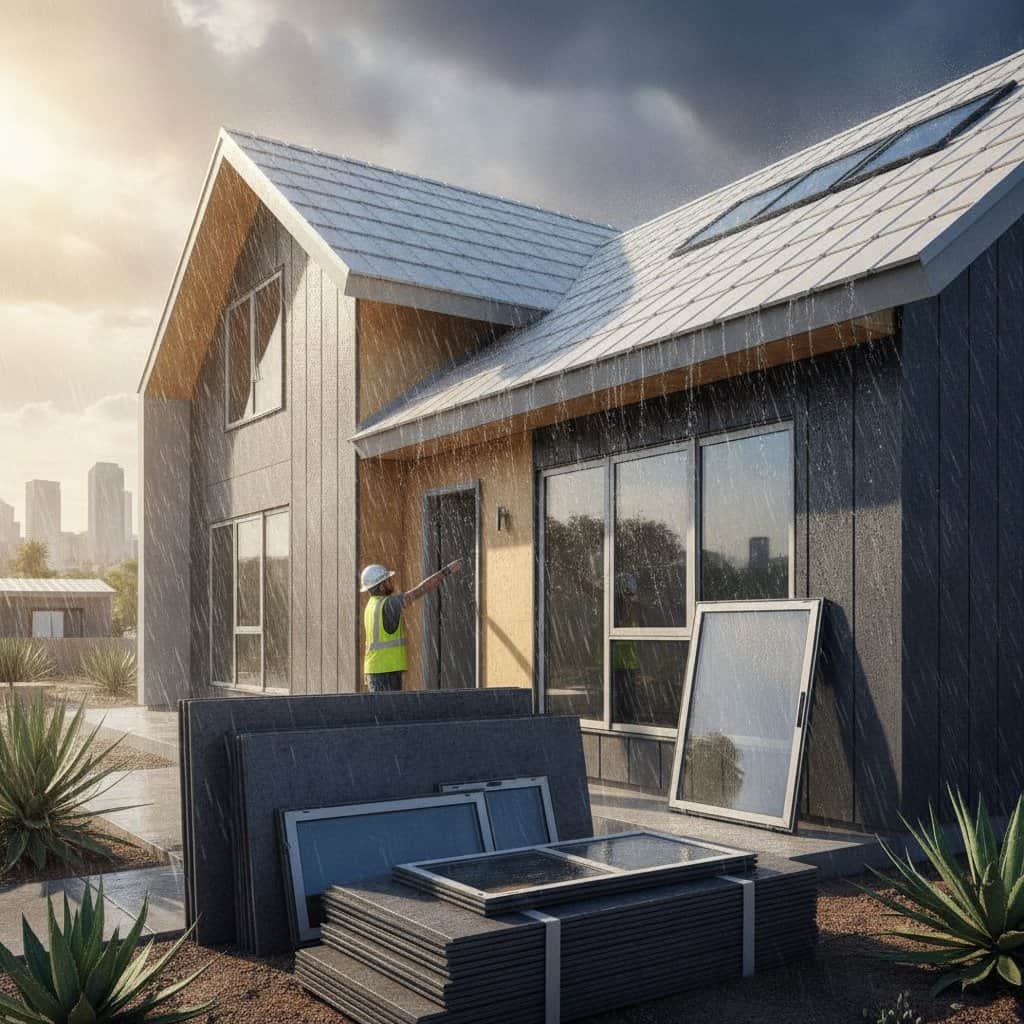
Fiber cement siding combines cement, sand, and cellulose fibers to create panels that mimic wood or stucco appearances. This material achieves Class A fire ratings, meaning it does not ignite or contribute to fire spread. It also resists moisture absorption, preventing mold growth in humid hurricane zones.
Installation involves securing panels to sheathing with corrosion-resistant fasteners. Panels typically measure 5/16 inch thick and come in lengths up to 12 feet, allowing for efficient coverage. Maintenance requires periodic cleaning and repainting every 10 to 15 years, extending its lifespan beyond 50 years.
In wildfire-prone areas like California, fiber cement reduces insurance premiums due to its non-combustible nature. For hurricane regions such as Florida, its flexibility absorbs impacts without cracking. Pair it with proper sealing around edges to maximize weatherproofing.
2. Insulated Concrete Forms (ICFs)
Insulated concrete forms consist of foam blocks that interlock to form molds for poured concrete walls. The resulting structure provides exceptional thermal insulation with R-values up to 24, alongside fire resistance for over four hours. ICF walls withstand missile impacts equivalent to 9-pound objects traveling at 50 feet per second, ideal for hurricane protection.
Construction with ICFs follows standard concrete pouring techniques but requires alignment tools for precision. Wall thicknesses range from 4 to 12 inches, offering customizable strength. Finishing options include stucco, brick veneer, or siding for varied aesthetics.
Energy savings from ICFs can reach 50 percent compared to traditional wood framing, lowering utility bills year-round. In seismic zones overlapping with fire risks, the monolithic design enhances overall stability. Professional installation ensures compliance with load-bearing requirements.
3. Metal Roofing Systems
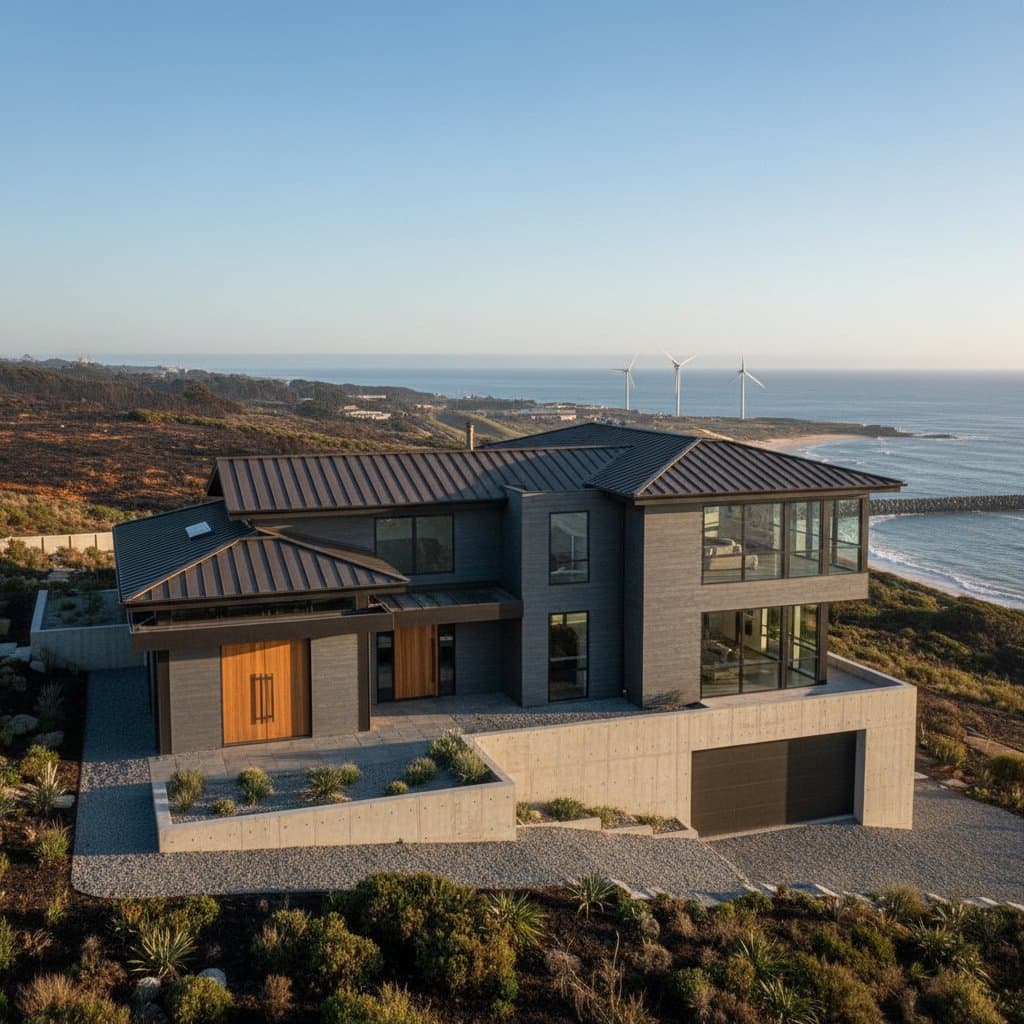
Metal roofing uses standing seam or corrugated panels made from steel, aluminum, or copper alloys. These surfaces reflect up to 70 percent of solar heat, reducing cooling needs in fire-vulnerable areas. They shed embers quickly and maintain integrity during winds exceeding 140 miles per hour.
Installation secures panels over underlayment with clips or screws, avoiding exposed fasteners to prevent leaks. Panels span 16 to 24 inches wide and interlock for seamless coverage. Coatings like Kynar 500 provide fade resistance and corrosion protection for 40 years or more.
The material's recyclability supports sustainable building practices. In coastal hurricane areas, its non-porous nature repels salt spray. Acoustic underlayments can mitigate rain noise, preserving interior comfort.
4. Impact-Resistant Windows and Doors
Impact-resistant windows feature laminated glass layers bonded with polyvinyl butyric interlayers, held in reinforced frames of aluminum, vinyl, or fiberglass. These assemblies pass large-missile tests, blocking debris while maintaining clarity and UV protection. They also seal tightly to prevent water intrusion during storm surges.
Selection involves choosing products rated for specific wind zones, such as DP-50 for 50 pounds per square foot pressure. Frames with multiple chambers enhance insulation, achieving U-factors below 0.30. Tinting options reduce glare without sacrificing natural light.
Upgrading to these windows qualifies for rebates under energy efficiency programs. In wildfire scenarios, they limit oxygen intake, slowing fire progression. Regular inspections ensure hardware operates smoothly over time.
5. Fire-Rated Decking and Ventilation Components
Fire-rated decking employs composites of wood fibers and polymers treated with flame retardants, achieving ignition resistance up to 2,000 degrees Fahrenheit. These boards install like traditional lumber but expand minimally in heat. Ember-resistant vents use metal mesh screens finer than 1/8 inch to block sparks while allowing airflow.
Decking spans up to 16 feet with hidden fasteners for a clean look. Vents integrate into soffits or attics, often with intumescent seals that expand in heat to close off pathways. Both components meet Wildland-Urban Interface codes in fire-prone states.
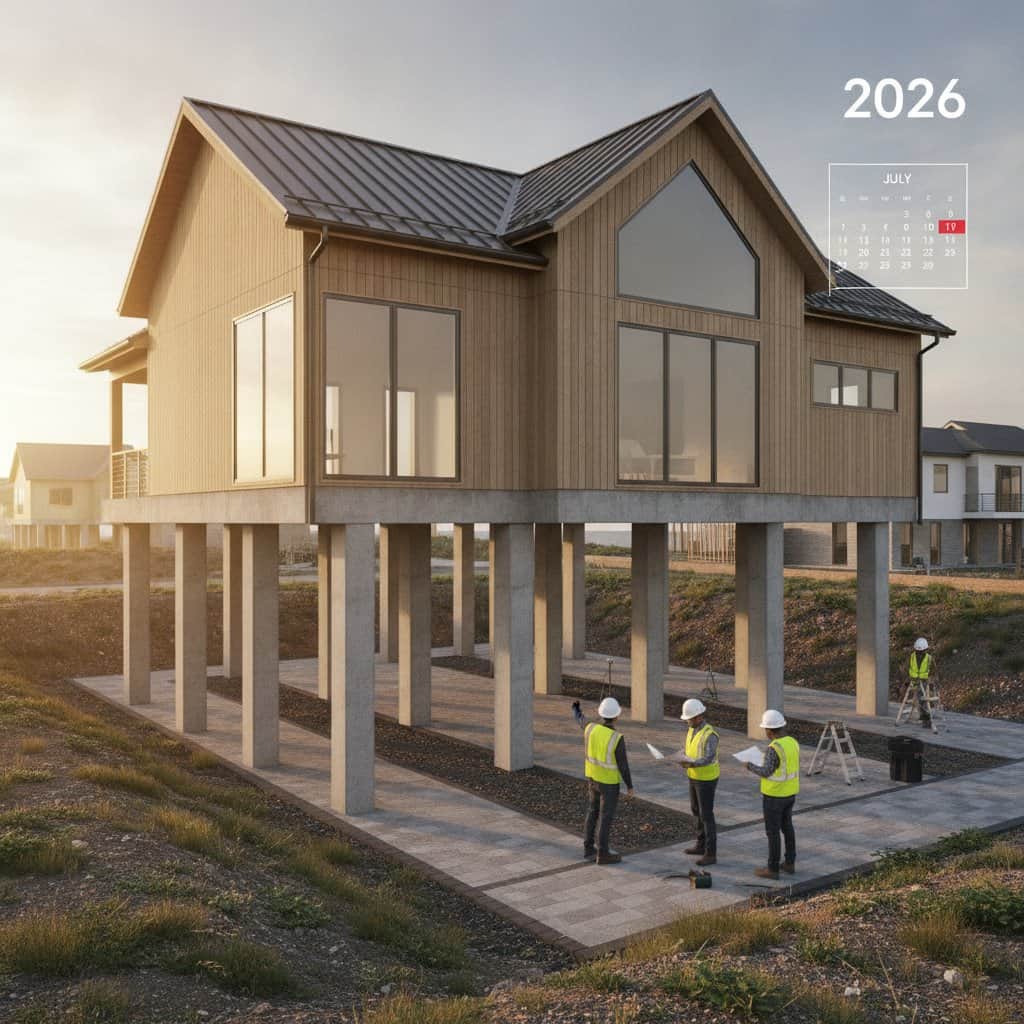
These additions protect outdoor living spaces without altering curb appeal. In hurricane areas, elevated decking designs incorporate drainage to handle heavy rain. Combining them with defensible space around the home amplifies overall safety.
Integrating Materials for Optimal Performance
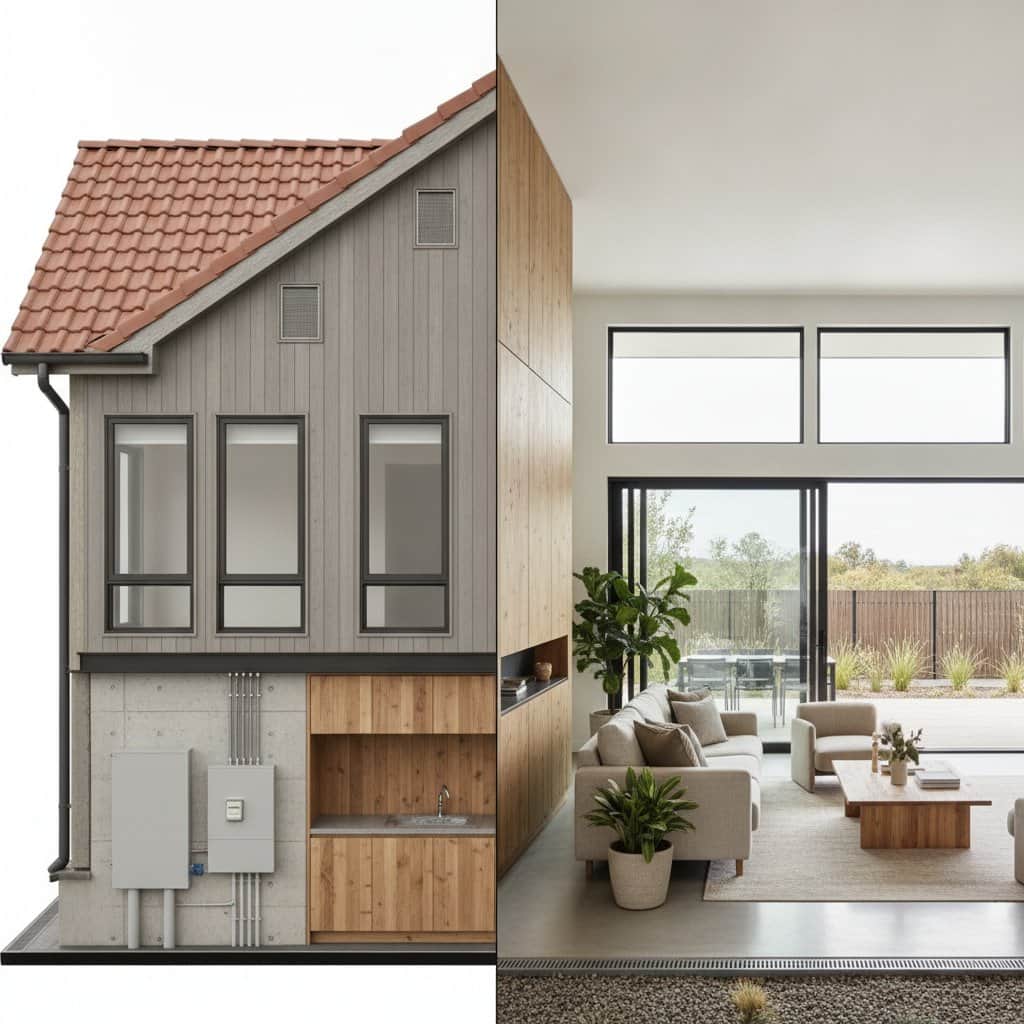
Effective designs layer materials strategically, such as pairing ICF walls with metal roofing and impact windows. This creates a fortified envelope that addresses multiple threats simultaneously. Consult architects familiar with regional codes to optimize layouts.
Aesthetic integration involves selecting compatible colors and textures. For instance, fiber cement siding in neutral tones complements metal roofs with matte finishes. Landscaping with fire-resistant plants further enhances the system's effectiveness.
Cost analysis reveals long-term savings. Initial investments in resilient materials average 5 to 10 percent higher than standard options but reduce lifetime expenses through durability and efficiency. Financing through green building incentives offsets upfront costs.
Steps to Implement Resilient Upgrades
Begin by assessing your property's risk profile using tools from local emergency management agencies. Identify vulnerable areas like roofs, exteriors, and openings. Gather quotes from certified contractors experienced in high-performance builds.
Prioritize upgrades based on budget and urgency. Start with roofing and siding for immediate protection, then add windows and details. Document installations for insurance documentation and potential rebates.
Regular maintenance preserves material performance. Inspect seals annually and clean debris from vents. These habits extend protection and maintain warranty coverage.
Achieving Lasting Security Through Smart Choices
Selecting resilient materials transforms homes into sanctuaries against nature's extremes. They deliver not only physical protection but also confidence in daily living. Homeowners who invest in these solutions enjoy reduced stress and enhanced value in an unpredictable climate.
Focus on quality sourcing and expert installation to realize full benefits. Your structure will stand as a testament to proactive planning, ready for whatever challenges arise. Embrace these advancements for a safer, more sustainable future.