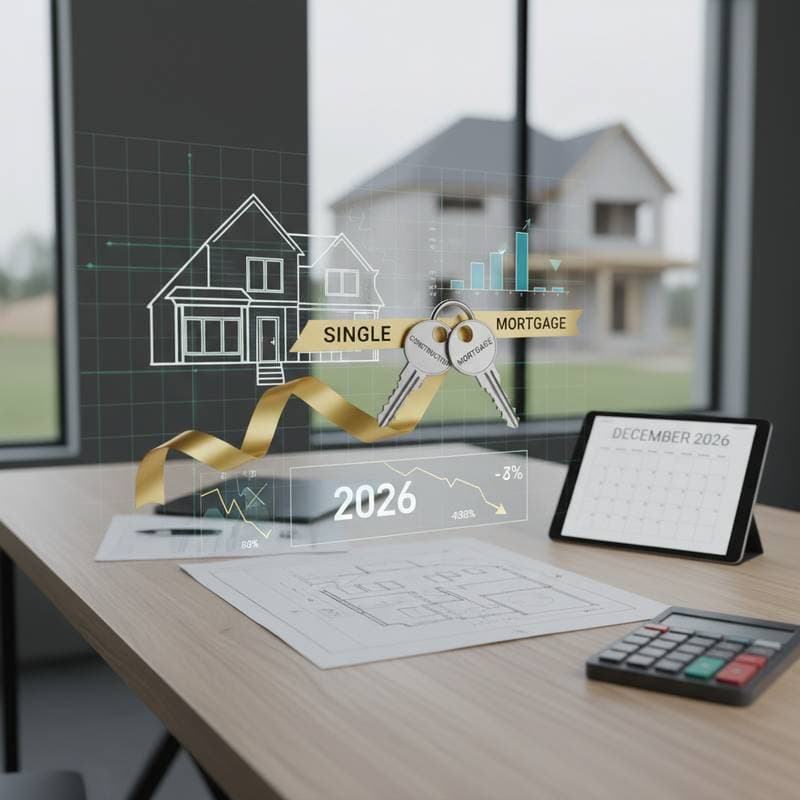
Building Your Dream Home with a Construction-to-Permanent Loan
Standing on a bare plot of land offers a clear vision of the home that will soon take shape. The kitchen for family meals and the porch for quiet mornings represent key elements of that future space. A construction-to-permanent loan provides the financing structure to turn those plans into reality without unnecessary complications.
The Challenge of Financing a Custom Build
Building a home requires upfront funds for materials and labor along with permanent financing once construction ends. Many buyers attempt to manage separate construction loans and traditional mortgages. This approach often leads to multiple closing costs, shifting interest rates, and coordination with different lenders.
A single financing solution eliminates these layers. It creates one predictable sequence from initial blueprints through final move-in. Borrowers gain clarity on total expenses from the outset and avoid repeated paperwork.
What a Construction-to-Permanent Loan Provides
This loan type merges the construction phase with the permanent mortgage into one agreement. The initial stage releases funds as building milestones are reached. Upon completion and inspection the loan converts automatically to a standard mortgage with the rate established at closing.
Borrowers close only once and lock terms early. This structure supports focus on design choices rather than later refinancing. When market conditions point toward lower rates ahead the early lock still offers protection against unexpected increases while allowing potential adjustments in some cases.
How Rate Changes Influence Planning
Lenders currently project reductions in mortgage rates over the coming period. A borrower who secures financing before construction starts can benefit from stability during the build. Certain agreements include provisions for a single rate modification prior to conversion if conditions improve.
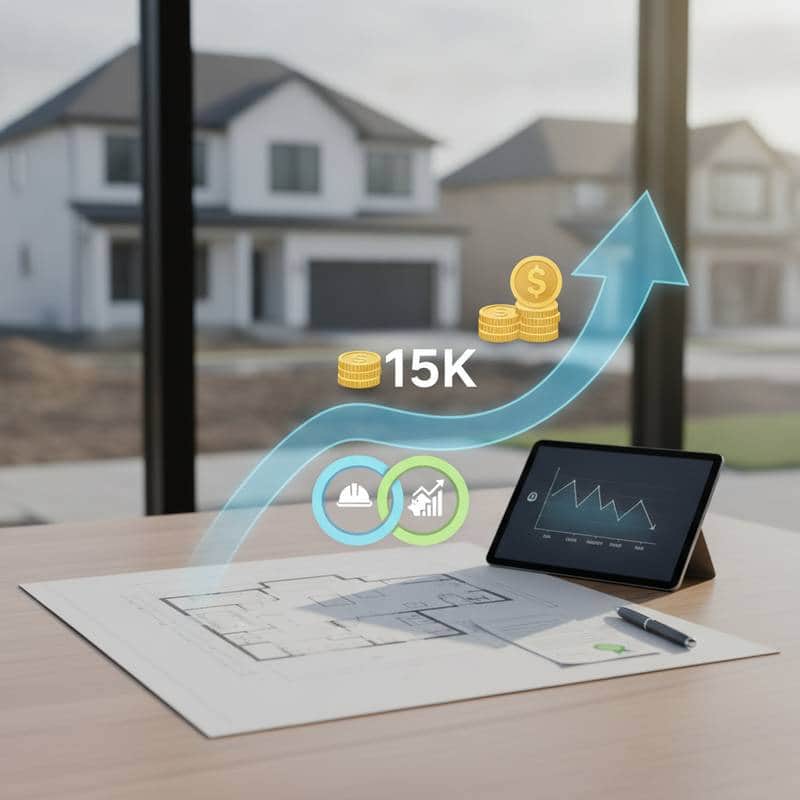
Reviewing these options with a lender helps align the loan structure with expected market shifts. The result is often lower overall payments across the life of the mortgage.
Steps in the Loan Process
The typical sequence follows these stages:
- Pre-approval requires submission of building plans, cost estimates, and schedules for lender evaluation.
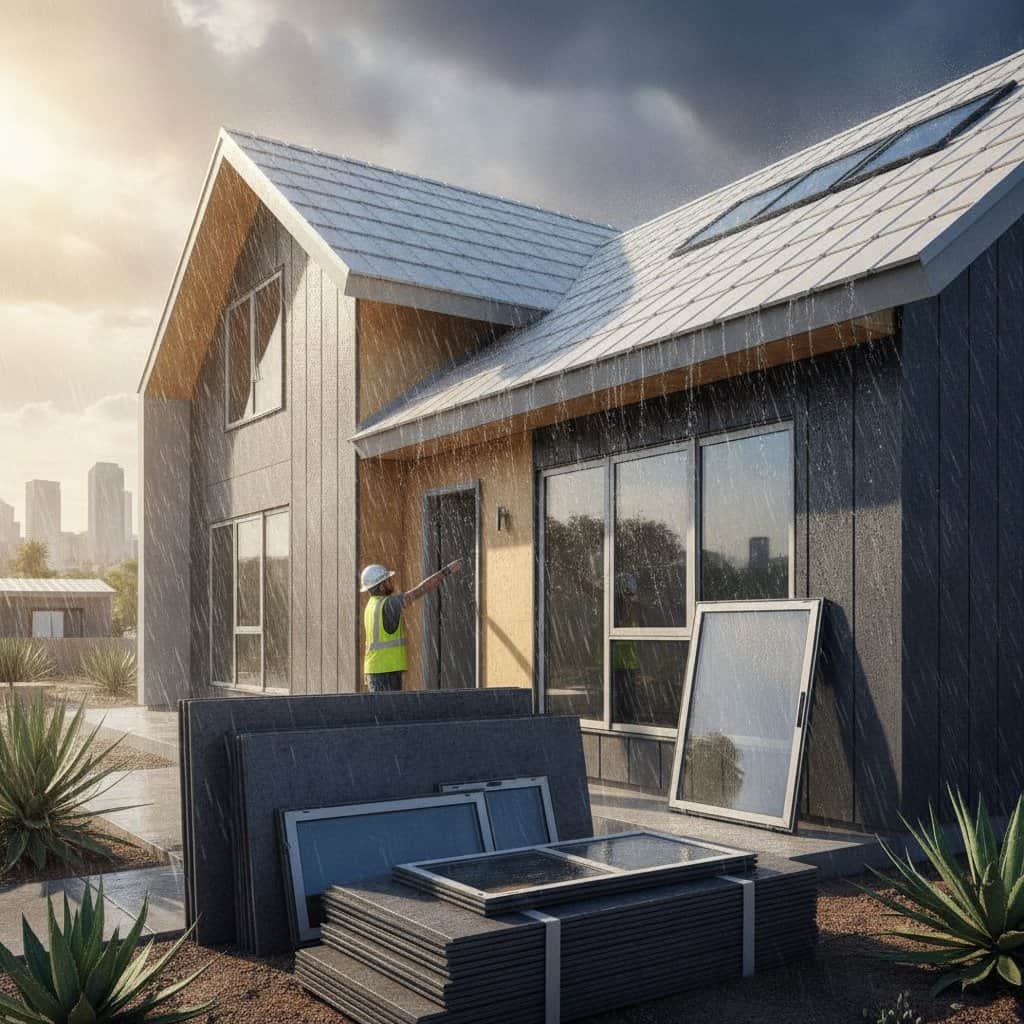
- Closing occurs once for the full amount with funds advanced in draws tied to completed work.
- The construction period involves interest-only payments to support cash flow management.
- Final inspection triggers automatic conversion to the permanent mortgage terms.
Working with one lender throughout maintains continuity and simplifies communication.
Key Factors to Evaluate
Closing costs remain comparable to a standard mortgage yet apply only once. Initial rates may sit slightly above permanent levels to account for short-term risk before settling into the long-term structure. Construction timelines vary by builder experience and regional weather patterns so selecting a lender familiar with local conditions proves useful.
Regional banks and credit unions frequently provide competitive terms and flexible draw schedules. Builders often recommend lenders experienced with their project types because coordination between parties reduces delays.
Selecting the Right Lender for Your Project
Once construction finishes and the household settles the advantages of unified financing become evident through avoided duplicate fees and streamlined records. Contact local lenders to compare construction-to-permanent products against specific build plans and timelines. Running detailed cost projections with each option clarifies the most suitable path forward.