Builder Rate Buydowns Soften the Landing in 2026
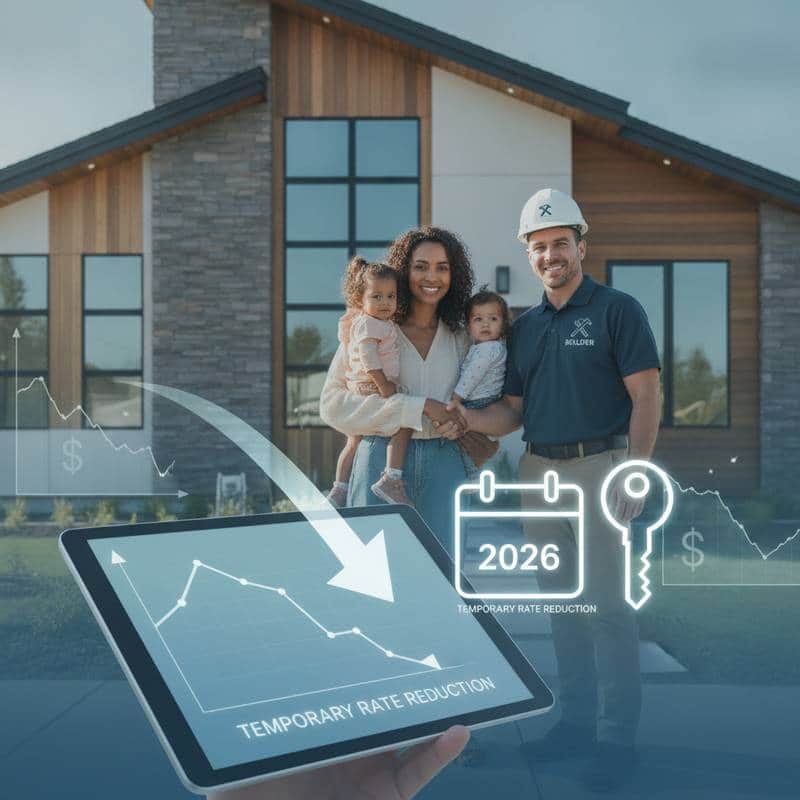
Builder rate buydowns emerge as vital 2026 incentives, providing temporary interest rate reductions that lower early mortgage payments and enhance buyer confidence in new home acquisitions.
Loading...
Articles tagged with mortgage
Builder rate buydowns emerge as vital 2026 incentives, providing temporary interest rate reductions that lower early mortgage payments and enhance buyer confidence in new home acquisitions.
As mortgage rates climb in 2025, builder buydowns gain prominence by reducing buyer interest rates temporarily or permanently. Builders fund these cuts to sustain sales, delivering substantial early savings. Understand the process, expenses involved, and ways to integrate them into your financial plan.
The 2-1 buydown temporarily reduces mortgage interest rates, cutting payments by two points in year one and one in year two. Funded by sellers or builders, it saves up to $40,000 initially, aiding budget adjustments and potential refinancing for long-term affordability.
Builder buydowns are transforming the 2025 new home market by providing authentic mortgage rate reductions and incentives that improve buyer affordability and deliver lasting value.
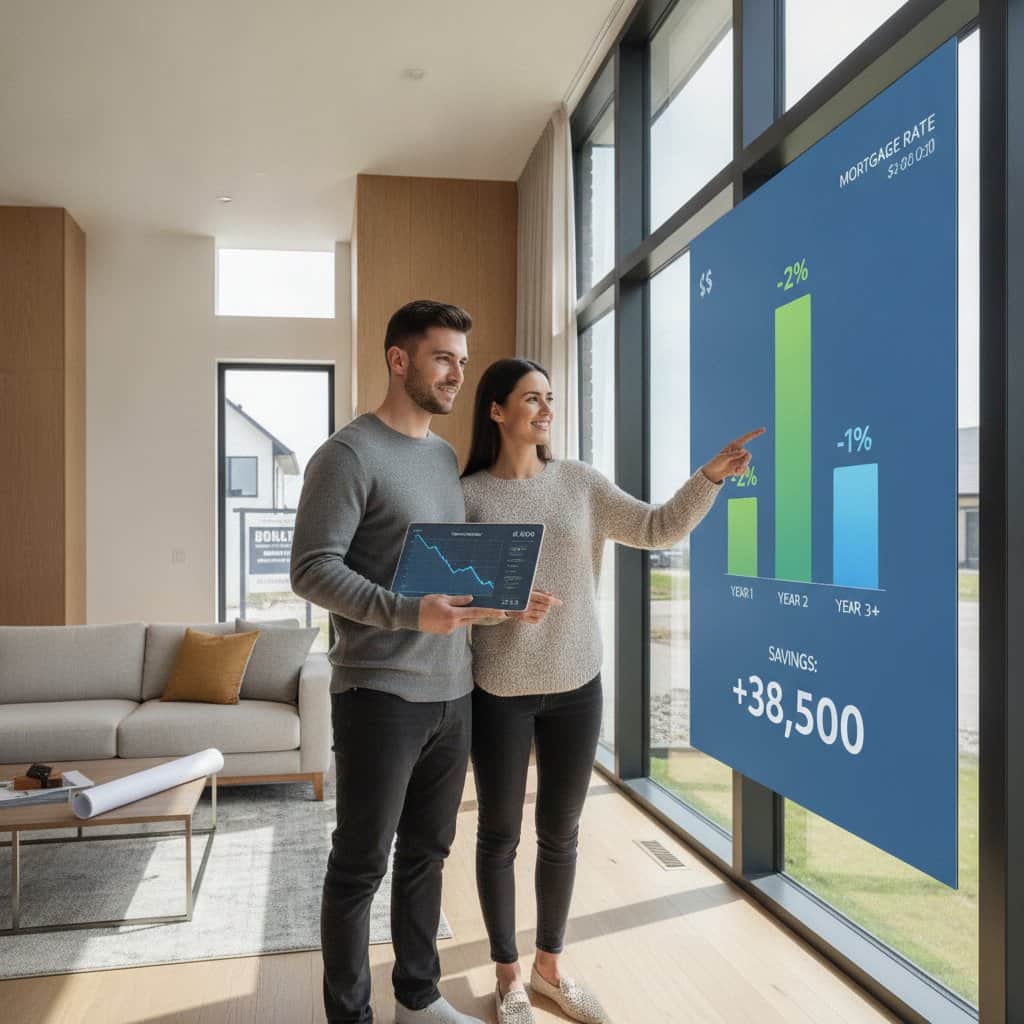
A 2-1 buydown lowers your mortgage rate by 2% in year one and 1% in year two, potentially saving $40,000 over the loan. This guide explains how it works, when to use it, and steps to implement for easier home buying in 2025.
The 2-1 buydown enables builders to subsidize mortgage interest, reducing buyer payments by up to 2% for the first two years. This maintains home prices while offering financial relief, ideal for refinancing later if rates improve. Key factors include funding sources, payment adjustments, and alignment with personal finances.
In 2025, homebuilders revive mortgage buydowns to counter high interest rates and home prices. These incentives lower initial payments for buyers, supporting sales while providing financial relief during the early years of ownership. This guide explains buydowns, compares them to price reductions, and offers practical advice for evaluating offers and preparing for rate adjustments.
A 2-1 buydown lowers mortgage rates for the first two years, saving up to $40,000 on 2025 home loans. Understand its operation, funding sources, ideal scenarios, and implementation for new buyers.
Elevated interest rates have not deterred homebuyers; builder buydowns provide a vital bridge. These incentives temporarily reduce mortgage rates, potentially saving homeowners thousands of dollars and easing initial payments. A clear grasp of buydown mechanics, funding sources, and negotiation strategies transforms temporary relief into enduring financial security.
Homebuilders now provide unprecedented $25,000 mortgage rate buydowns to assist buyers in navigating elevated interest expenses. These incentives deliver temporary or permanent reductions in monthly payments, enhancing affordability for new constructions without price reductions. Understand the mechanics of buydowns, their benefits and limitations, and essential considerations prior to commitment.
Builder buydowns are reintroducing 4.5% mortgage rates in 2025, providing significant monthly savings and improving home affordability. Builders leverage these incentives to accelerate inventory sales without reducing home prices. This guide explains temporary and permanent buydowns, key considerations, and strategies to evaluate if they align with your financial objectives.
Homebuilders in 2025 use temporary rate buydowns to offer 4% mortgages, reducing initial payments and enhancing affordability for new homes. These strategies sustain construction demand while aiding buyers in entering the market. Understand the mechanics, potential pitfalls, and alignment with personal homebuying objectives.
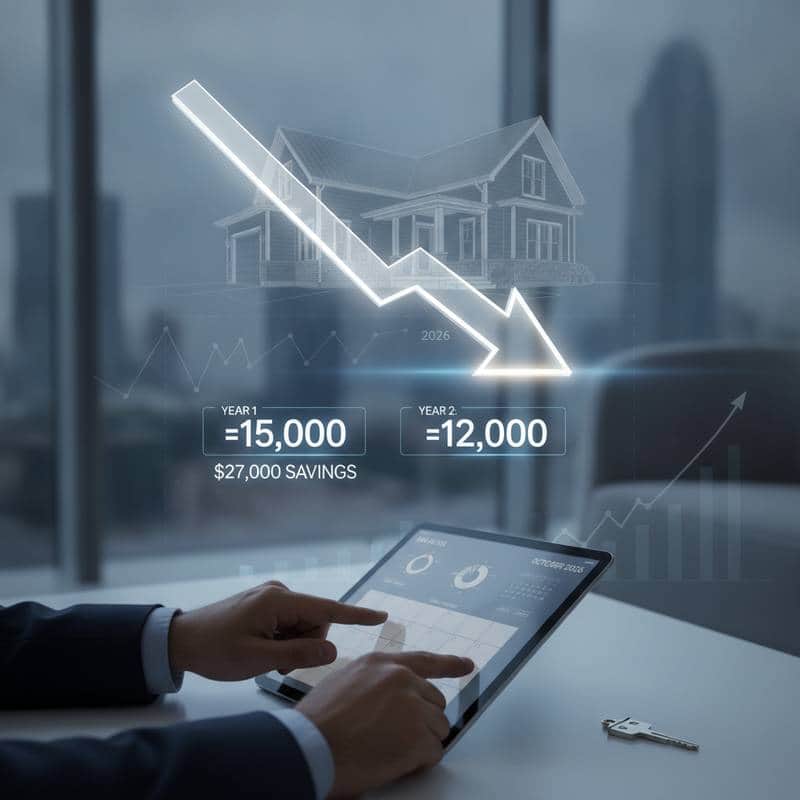
The 2-1 buydown enables new homebuyers to access reduced mortgage rates for the first two years, yielding savings of about $18,000. Builders fund this benefit to improve affordability without price reductions. It provides prompt payment relief, aids budgeting, and boosts buyer confidence in new developments.
A 2-1 buydown lowers mortgage interest rates for the initial two years, potentially saving $18,000 and easing early homeownership costs. Ideal for those anticipating income growth or refinancing, this guide explains funding, pitfalls, and implementation steps.
As mortgage rates decline in 2025, a cash-out refinance offers a strategic path to tap into your home equity for renovations. This guide details how to capitalize on lower rates, enhance your property's value, and execute practical updates that align financial goals with aesthetic improvements.
A 2-1 buydown lowers mortgage rates temporarily—by two points in the first year and one in the second—providing essential relief for new homeowners. Builder-funded options accelerate sales while offering buyers qualification advantages and early payment reductions. Prepare for rate normalization by budgeting ahead to ensure lasting affordability.
A 2-1 buydown allows builders to temporarily reduce mortgage interest rates, lowering payments in the initial years and providing financial relief for new homeowners. This strategy helps buyers manage early costs while builders maintain property values and attract purchasers in a challenging market.
Secure a 5.9% construction loan rate before March to ensure predictable costs and long-term savings on your home build. This guide explains how these loans function, the importance of timing, and practical steps to qualify and lock in favorable terms for financial stability.
Builder rate buydowns transform the 2025 homebuying landscape by reducing interest rates and monthly payments, either temporarily or permanently. Builders fund these reductions to maintain affordability, allowing buyers to allocate budgets more effectively. This guide explains the process, highlights common errors to sidestep, and provides tactics to convert initial savings into enduring financial advantages.
High mortgage rates pricing you out? A 2-1 builder buydown temporarily mimics a 5% rate by subsidizing interest, easing initial payments. This guide covers mechanics, benefits, risks, and decision-making tips.