#incentives

Articles tagged with incentives

Featured image for 2-1 Buydown Cuts Early Mortgage Payments by $40K

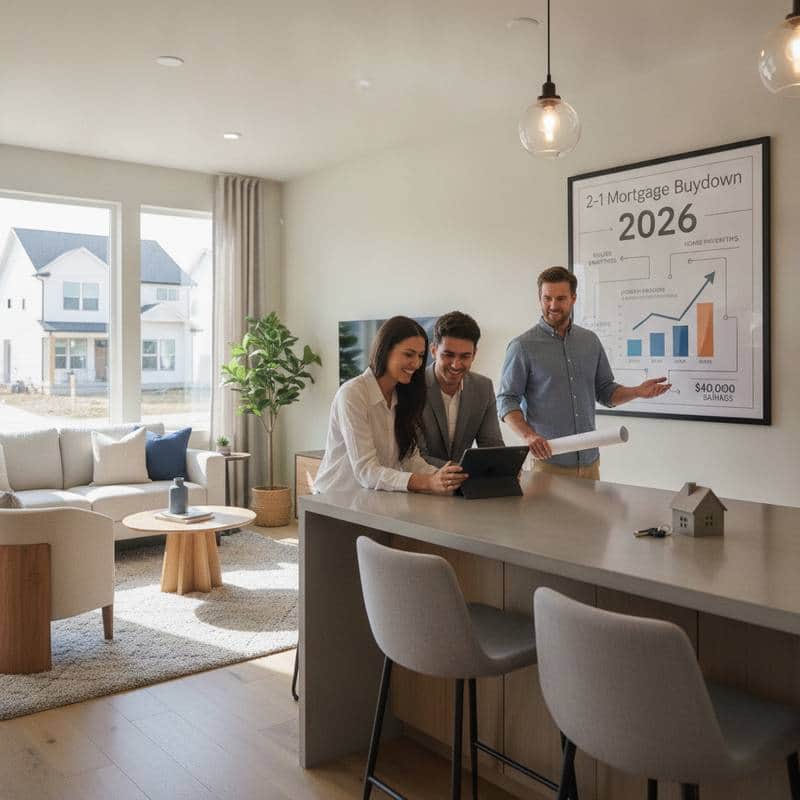
2-1 Buydown Cuts Early Mortgage Payments by $40K

A 2-1 buydown reduces mortgage interest rates by two percentage points in the first year and one point in the second, potentially saving buyers $40,000 during the initial period. Builders frequently cover the cost, providing essential relief as you adjust to homeownership. This guide explains the mechanics, advantages, potential drawbacks, and steps to leverage this option in 2026.

5 min read
Featured image for 2-1 Buydowns Drop Your Rate Two Years Without Price Cuts

2-1 Buydowns Drop Your Rate Two Years Without Price Cuts

A 2-1 buydown lowers your mortgage rate for the initial two years, delivering substantial upfront savings that builders frequently fund as incentives. This approach maintains home prices while enhancing affordability. Understand the mechanics, negotiation tactics, potential pitfalls, and strategies to convert temporary relief into enduring financial advantages, possibly yielding $40,000 in total savings.

5 min read
Featured image for Why Builders Use Rate Buydowns Instead of Price Cuts

Why Builders Use Rate Buydowns Instead of Price Cuts

In 2026, home builders combat elevated mortgage rates through rate buydown incentives, reducing monthly payments rather than home prices to sustain sales momentum. These tactics influence buyer decisions, market trends, and bargaining leverage. Buyers who grasp the mechanics of temporary and permanent buydowns can capitalize on these offers while sidestepping potential pitfalls.

6 min read
Featured image for I Almost Skipped the 2-1 Buydown, Until I Did the Math

I Almost Skipped the 2-1 Buydown, Until I Did the Math

A 2-1 buydown lowers your mortgage rate by two points in year one and one point in year two, potentially saving $40,000 on a $600,000 loan. Builders frequently cover the expense, providing buyers with reduced initial payments, improved budgeting flexibility, and a stable path to predictable homeownership expenses.

5 min read
Featured image for A 2-1 Buydown Lowers Your Mortgage Payment for Two Years

A 2-1 Buydown Lowers Your Mortgage Payment for Two Years

A 2-1 buydown temporarily lowers your mortgage interest rate by two points in the first year and one point in the second year. This builder- or lender-funded option provides significant early savings, often around $40,000, without upfront costs to you. Proper planning ensures you transition smoothly to full payments while building financial stability.

5 min read
Featured image for Builder Buydowns Lower Your Rate for Years

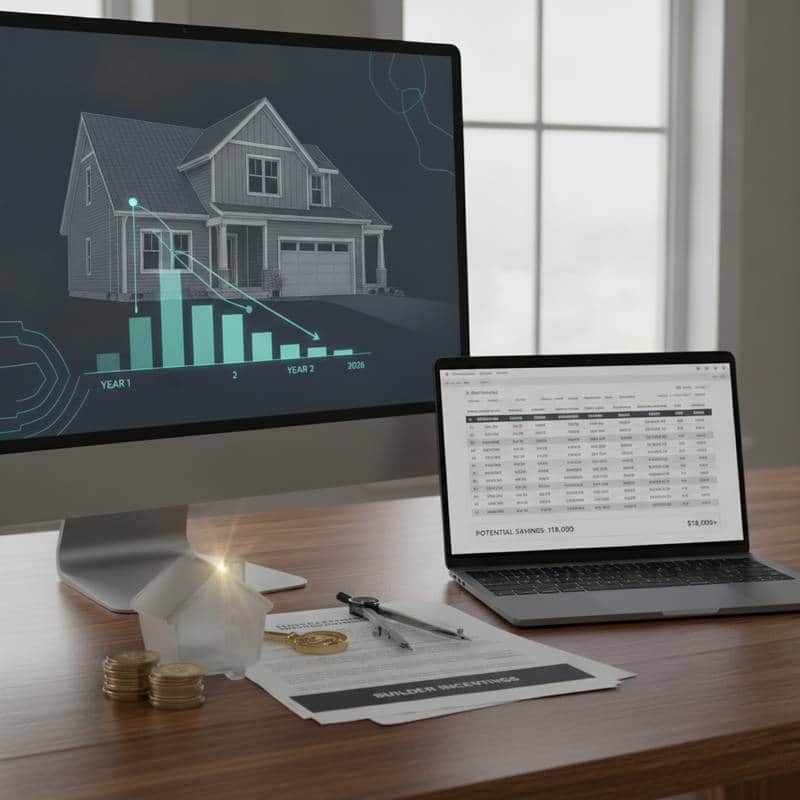
Builder Buydowns Lower Your Rate for Years

Builder buydowns reshape new home affordability in 2026. These incentives temporarily reduce mortgage rates to draw in buyers, sustain builder pricing, and foster confidence despite elevated interest rates. Buyers gain tangible financial advantages, improved sales dynamics, and options for future refinancing in this prominent trend for new construction.

4 min read
Featured image for 2-1 Buydown Cuts Mortgage Payments by $40K Early On

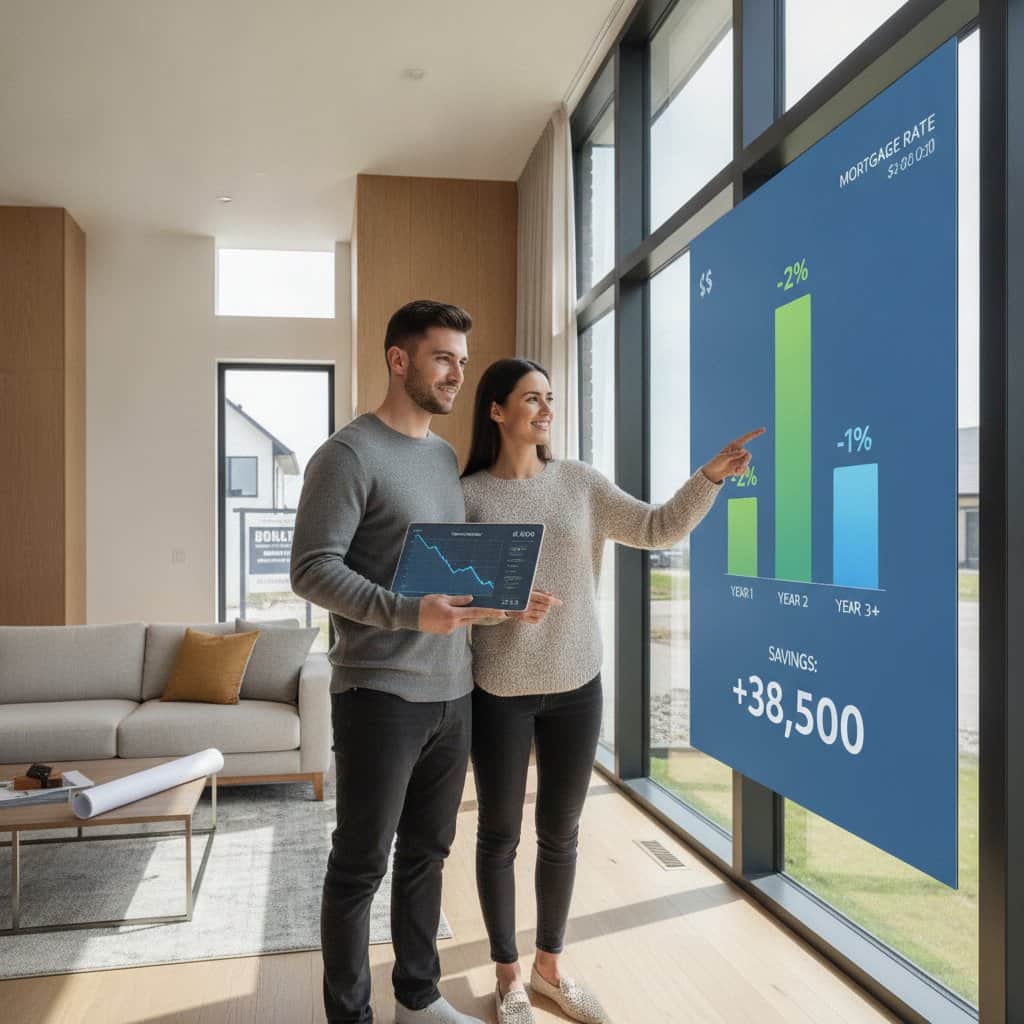
2-1 Buydown Cuts Mortgage Payments by $40K Early On

A 2-1 buydown significantly reduces initial mortgage payments, potentially saving buyers up to $40,000 and facilitating a smoother entry into homeownership. Typically funded by builders, this option lowers interest rates for the first two years before adjustment. Strategic use and transparent terms can provide enduring financial flexibility for 2026 homebuyers.

3 min read
Featured image for Builder Rate Buydowns Make New Homes Affordable in 2026

Builder Rate Buydowns Make New Homes Affordable in 2026

Builder rate buydowns enable 2026 homebuyers to save significantly by temporarily reducing mortgage rates. Builders fund these programs to lighten initial payments, improve affordability, and facilitate seamless transitions into homeownership. This guide explains the mechanics, benefits, drawbacks, and strategies for evaluating incentives to secure long-term financial stability.

5 min read
Featured image for Builder Rate Buydowns: Your Ticket to Below-Market Loans

Builder Rate Buydowns: Your Ticket to Below-Market Loans

Amid the intense competition of the 2026 Builder Wars, builders offer aggressive mortgage rate buydowns and layered incentives to attract buyers and clear inventory. This guide explains temporary versus permanent buydowns, uncovers potential drawbacks in the details, and provides strategies to evaluate lenders, negotiate benefits, and convert incentives into substantial, enduring financial advantages.

5 min read
Featured image for Builder Rate Buydowns: What Happens When They Reset

Builder Rate Buydowns: What Happens When They Reset

In the competitive landscape of 2026 homebuilding, known as the builder wars, developers deploy mortgage rate buydowns to attract buyers with reduced initial monthly payments. These incentives provide significant short-term savings, yet they come with a reset that can increase costs abruptly. Knowledgeable buyers scrutinize options, examine contract details, bargain for better terms, and prepare financially to navigate the transition to full rates smoothly.

6 min read
Featured image for Can a 2-1 Mortgage Buydown Really Save You $40K?

Can a 2-1 Mortgage Buydown Really Save You $40K?

Understand how a 2-1 mortgage buydown lowers initial payments and delivers up to $40,000 in savings over the first two years. Examine builder incentives, budgeting strategies, and timing to enhance benefits, sidestep common errors, and achieve enduring financial adaptability in home construction or purchase.

4 min read
Featured image for Why Buydowns Make New Home Payments More Comfortable

Why Buydowns Make New Home Payments More Comfortable

Mortgage buydowns temporarily lower interest rates for the initial years of a new home loan, enhancing affordability and allowing buyers to adjust to ownership costs while supporting builders in a competitive market. This approach delivers financial flexibility, budgeting stability, and future refinancing potential for smoother transitions to long-term homeownership.

4 min read