Understanding Builder Rate Buydowns in 2026 Homebuying Incentives
High mortgage rates continue to challenge prospective homebuyers, particularly those eyeing new construction. Builders respond with innovative financing options to maintain sales momentum. Among these, rate buydowns stand out as a practical solution that addresses immediate affordability concerns without altering home prices.
This approach involves builders funding a temporary reduction in interest rates, typically for the initial years of the loan. Buyers benefit from lower monthly payments during this period, allowing time to stabilize finances before payments adjust to the full rate. Such incentives align builder goals with buyer needs, fostering a more balanced market dynamic.
Defining a Builder Rate Buydown
A builder rate buydown occurs when the builder advances funds to the lender to decrease the borrower's interest rate for a set duration, often one to five years. This adjustment lowers the effective rate during the buydown phase, directly reducing monthly mortgage obligations. For example, on a 30-year loan of $400,000, a 1% rate reduction could save approximately $250 per month initially.
Buyers qualify based on standard loan criteria, with the buydown cost covered entirely by the builder. This structure appeals to first-time buyers or those upgrading, as it eases the transition into higher living expenses associated with new homes. Lenders administer the funds through an escrow account, ensuring payments adjust seamlessly at the end of the term.
Reasons Builders Increase Rate Buydown Offers
Persistent inflation and elevated construction material costs pressure builders to sustain inventory turnover. Direct price reductions risk devaluing communities and eroding profit margins, prompting a shift toward financing incentives. Rate buydowns provide an effective alternative, preserving list prices while making properties more accessible.
From a market perspective, these incentives counteract rate volatility, encouraging commitments in uncertain economic conditions. Builders often pair buydowns with other perks, such as closing cost assistance, to create comprehensive packages. Data from recent industry reports indicate a 30% rise in buydown usage among major developers, reflecting their growing reliance on this strategy.
Implementing a Rate Buydown in Practice
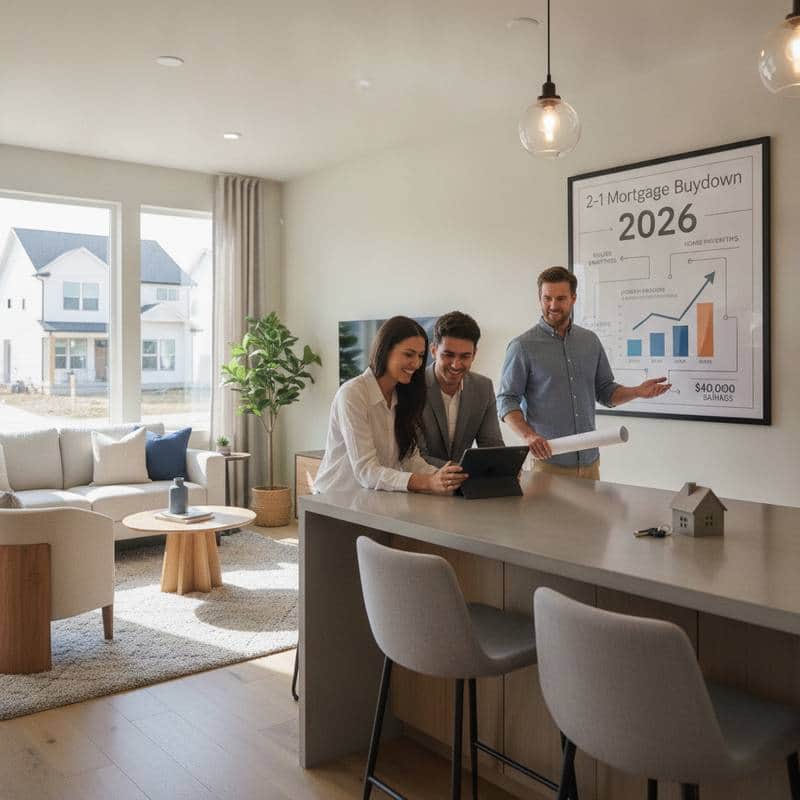
During a site visit to a new development, sales representatives present buydown options alongside standard financing scenarios. Buyers review side-by-side payment schedules, highlighting the immediate savings from the reduced rate. The builder deposits the required funds—often 2 to 4 points of the loan amount—with the lender at closing.
This process integrates with conventional mortgage approval, requiring no additional underwriting beyond the base loan. Once implemented, the lower rate applies until the buydown expires, after which payments incrementally rise or jump to the note rate. Buyers appreciate the predictability, as amortization schedules detail future adjustments.
Evaluating Potential Drawbacks
While beneficial, rate buydowns demand careful financial planning due to their temporary nature. Post-buydown payments will increase, potentially straining budgets if income growth lags. Buyers should model scenarios using online calculators to project affordability over the full loan term.
Additionally, these offers frequently tie to builder-affiliated lenders, which may limit competitive bidding. Independent mortgage shopping can uncover better base rates or terms, especially for borrowers with strong credit profiles. Consulting a financial advisor ensures the incentive aligns with long-term goals, such as debt reduction or investment planning.
Key Questions for Prospective Buyers
To navigate rate buydown offers effectively, buyers should pose targeted inquiries:
-
What is the exact duration of the reduced rate period?
-
Does the builder absorb the full buydown cost, or are there shared fees?
-
How will the monthly payment change after the buydown concludes, and does it align with projected expenses?
-
Are there prepayment penalties or restrictions on refinancing during or after the buydown?
-
Can the buydown transfer if the home is sold early?
Addressing these points during negotiations clarifies terms and mitigates surprises.
The Distinctive Impact of This Incentive Trend
Rate buydowns differ from past incentives by emphasizing sustained buyer support rather than short-term promotions. They bridge the gap between current high rates and future market normalization, promoting stability in new construction sales. This evolution signals a maturing industry response to buyer sensitivities.
Builders gain by accelerating closings and reducing carrying costs on unsold inventory. Buyers secure homes with built-in financial flexibility, enhancing overall satisfaction. As adoption grows, expect wider availability across price points and regions.
Steps to Secure and Maximize Your Buydown
Start by identifying developments offering buydowns through builder websites or real estate listings. Engage multiple sales teams to compare terms and bundle options. Secure pre-approval from independent lenders to benchmark against builder proposals.
Review all documentation meticulously, focusing on escrow details and adjustment schedules. Factor the buydown into broader financial strategies, such as building an emergency fund during the low-payment phase. This proactive approach turns the incentive into a strategic advantage for long-term homeownership success.