TL;DR
- Hempcrete and mycelium serve as eco-friendly replacements for concrete and conventional insulation in construction.
- Both options prove renewable, breathable, and durable with proper application.
- They facilitate the creation of natural, comfortable living spaces that support environmental health.
Key Highlights
- Hempcrete consists of hemp fibers combined with lime and water to form a lightweight composite.
- Mycelium utilizes the root-like structure of fungi, cultivated to produce insulating panels or blocks.
- These materials significantly cut down on construction waste and carbon emissions.
- They excel in providing insulation and managing indoor moisture levels.
- Ideal for projects aiming to deliver natural, health-oriented living environments.
Understanding Hempcrete and Mycelium
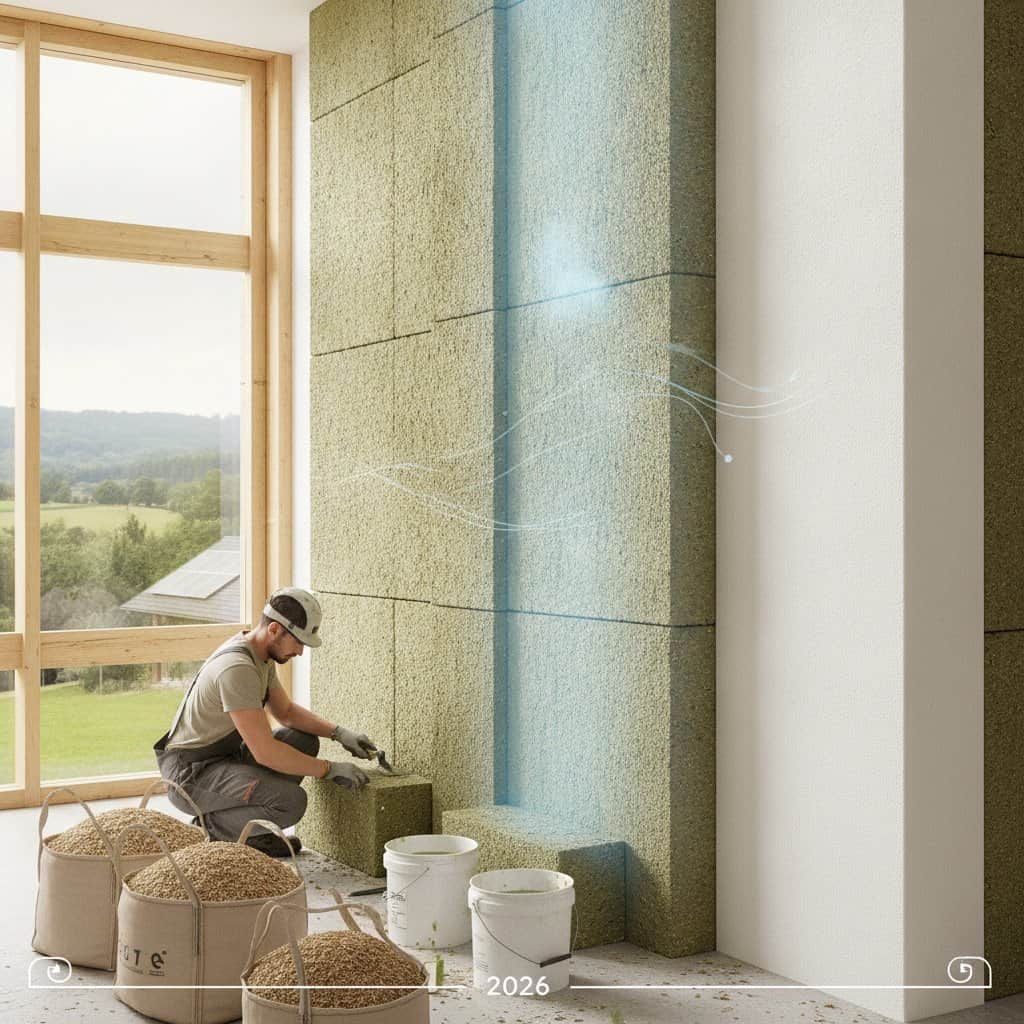
Hempcrete derives from the woody core of the hemp plant, mixed with a lime-based binder and water. This combination results in a material that hardens over time through a natural carbonation process, where it actively sequesters carbon dioxide from the atmosphere. Builders apply hempcrete as a cast-in-place mixture or in pre-formed blocks, typically filling the spaces within a structural frame made of wood or metal.
Mycelium, on the other hand, involves growing fungal networks on agricultural byproducts like straw or sawdust. Over a period of days in controlled conditions, the mycelium binds the substrate into a solid form, which can then be shaped into insulation boards, acoustic panels, or even structural elements. This growth process requires minimal energy and produces no harmful byproducts, making it a truly circular material.
Both materials stand out for their ability to integrate seamlessly into modern architecture while honoring traditional building wisdom. They address common issues in conventional construction, such as poor air quality and high energy use, by allowing structures to regulate temperature and humidity naturally.
Comparing Hempcrete and Mycelium to Traditional Materials
Traditional concrete and foam insulation dominate construction due to their strength and availability, yet they contribute heavily to global carbon emissions and often trap moisture, leading to mold growth. Hempcrete and mycelium offer lighter, more environmentally sound options that enhance building performance without compromising integrity.
Hempcrete Advantages
- The hemp plant regenerates quickly, making the source renewable, and the material captures carbon during both growth and curing phases.
- Its natural composition resists pests and mold without added chemicals.
- Hempcrete delivers strong thermal insulation, with R-values comparable to fiberglass but without the itch or health concerns.
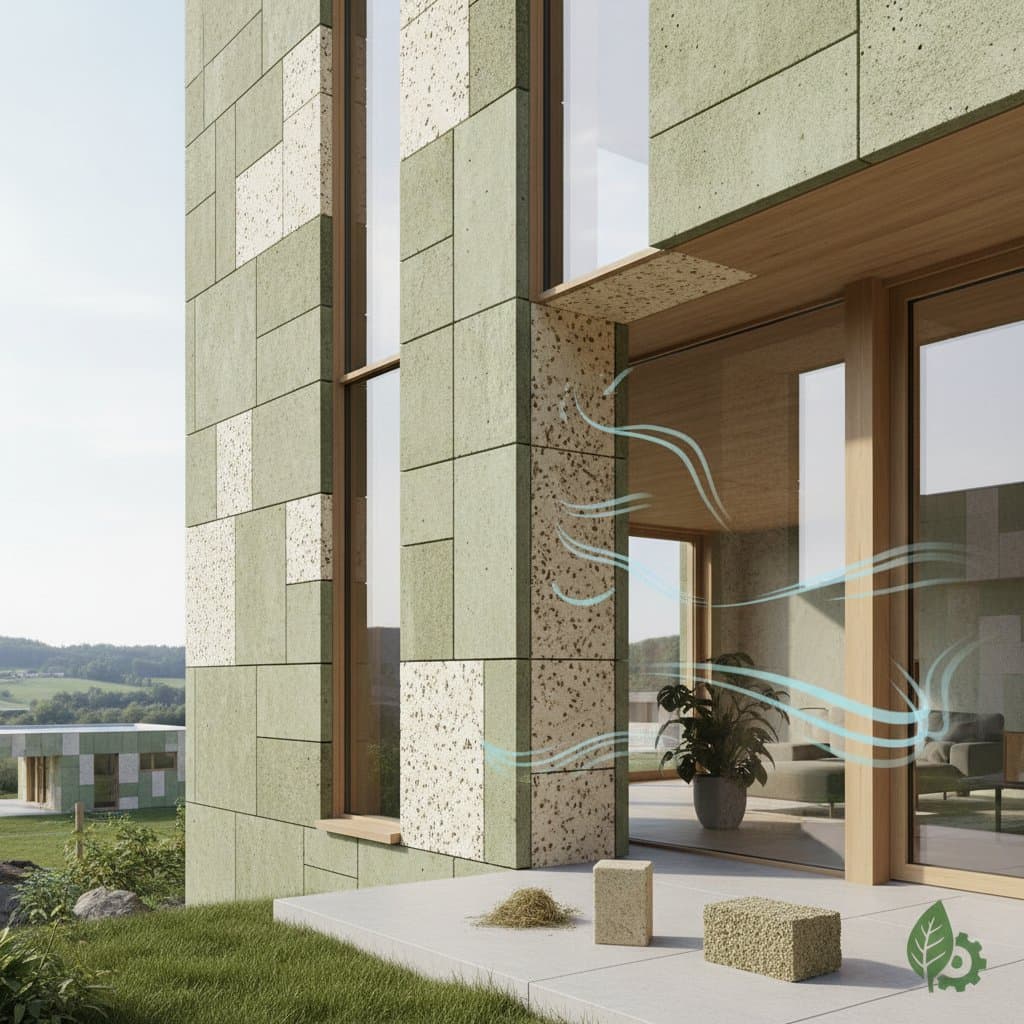
- As a breathable material, it allows vapor to pass through walls, reducing condensation and improving indoor air quality.
Hempcrete Limitations
- It functions as a non-load-bearing infill, requiring a separate frame for structural support.
- The curing process extends over several weeks, demanding patience compared to concrete's rapid set.
Mycelium Advantages
- Completely biodegradable, mycelium decomposes naturally at the end of its life cycle, closing the loop on waste.
- It provides excellent sound absorption and thermal resistance, ideal for noise-sensitive or energy-efficient designs.
- The material exhibits fire resistance due to its high water content and organic structure, outperforming many synthetics in safety tests.
- Lightweight by nature, it simplifies transportation and installation on job sites.
Mycelium Limitations
- Commercial applications remain limited, with most uses in experimental or small-scale projects.
- Production demands precise control of moisture and temperature to prevent degradation before use.
In practical terms, hempcrete suits exterior walls and plaster finishes, while mycelium fits interior partitions and roofing underlays. Together, they reduce a building's embodied carbon by up to 50 percent compared to standard methods, according to industry studies on sustainable materials.
Benefits of Choosing Hempcrete or Mycelium
Selecting these materials supports superior indoor environments, lower utility costs, and a lighter ecological footprint. Hempcrete's carbon-sequestering properties mean that over its lifecycle, a structure can become carbon-negative. Mycelium's low-input production avoids the energy-intensive processes of mining and refining used in concrete manufacturing.
Homeowners report tangible improvements in comfort: walls that maintain steady temperatures year-round and air that remains fresh without constant ventilation. Energy savings arise from the materials' insulating qualities, potentially cutting heating and cooling needs by 20 to 30 percent. For builders, the reduced reliance on heavy machinery translates to lower operational costs and simpler logistics.
Consider a residential project in a humid climate. Hempcrete walls prevent the damp issues common with concrete, fostering a drier, healthier interior. Similarly, mycelium panels in an office setting dampen echoes, creating a more productive atmosphere. These benefits extend to commercial builds, where green certifications become easier to achieve.
Practical Applications and Implementation
To incorporate hempcrete, start by sourcing certified hemp hurds from regional suppliers to minimize transport emissions. Mix the components on-site using basic tools: a large mixer for the hemp-lime slurry, followed by tamping into formwork. Allow for a drying period of 4 to 6 weeks before finishing with lime plaster. For best results, consult local codes, as some regions require specialized training for installers.
Mycelium production begins in a lab-like setup. Inoculate substrate with fungal spores, incubate in molds for 5 to 7 days, then bake briefly to halt growth and strengthen the form. Panels install like drywall, secured with screws or adhesives. Experiment with small prototypes, such as garden sheds or art installations, to gain hands-on experience before scaling up.
Both materials pair well with passive design strategies, like south-facing windows for natural light. In retrofits, remove old insulation and infill with hempcrete blocks for an upgrade that boosts value without major demolition.
Frequently Asked Questions
What is the cost comparison between hempcrete, mycelium, and concrete?
Initial costs for hempcrete run 10 to 20 percent higher than concrete due to labor, but long-term savings from energy efficiency offset this. Mycelium remains experimental, with prices varying widely, often comparable to premium insulation at $5 to $15 per square foot.
Can these materials withstand extreme weather?
Hempcrete performs well in moderate climates, resisting freeze-thaw cycles better than many plasters. Mycelium suits dry or temperate zones but requires protective coatings in high-rain areas to maintain integrity.
How do I find certified installers?
Seek professionals through organizations focused on natural building, such as those offering workshops on bio-based materials. Online directories and trade associations provide vetted lists based on experience with these specifics.
Integrating Natural Materials into Your Build
Embrace hempcrete or mycelium to craft spaces that harmonize with the environment and enhance daily life. Begin by assessing your site's needs: climate, scale, and budget guide the choice. Collaborate with architects versed in sustainable practices to prototype designs that maximize these materials' strengths. The result stands as a testament to thoughtful construction, yielding homes that endure while nurturing the planet.