#alternatives

Articles tagged with alternatives

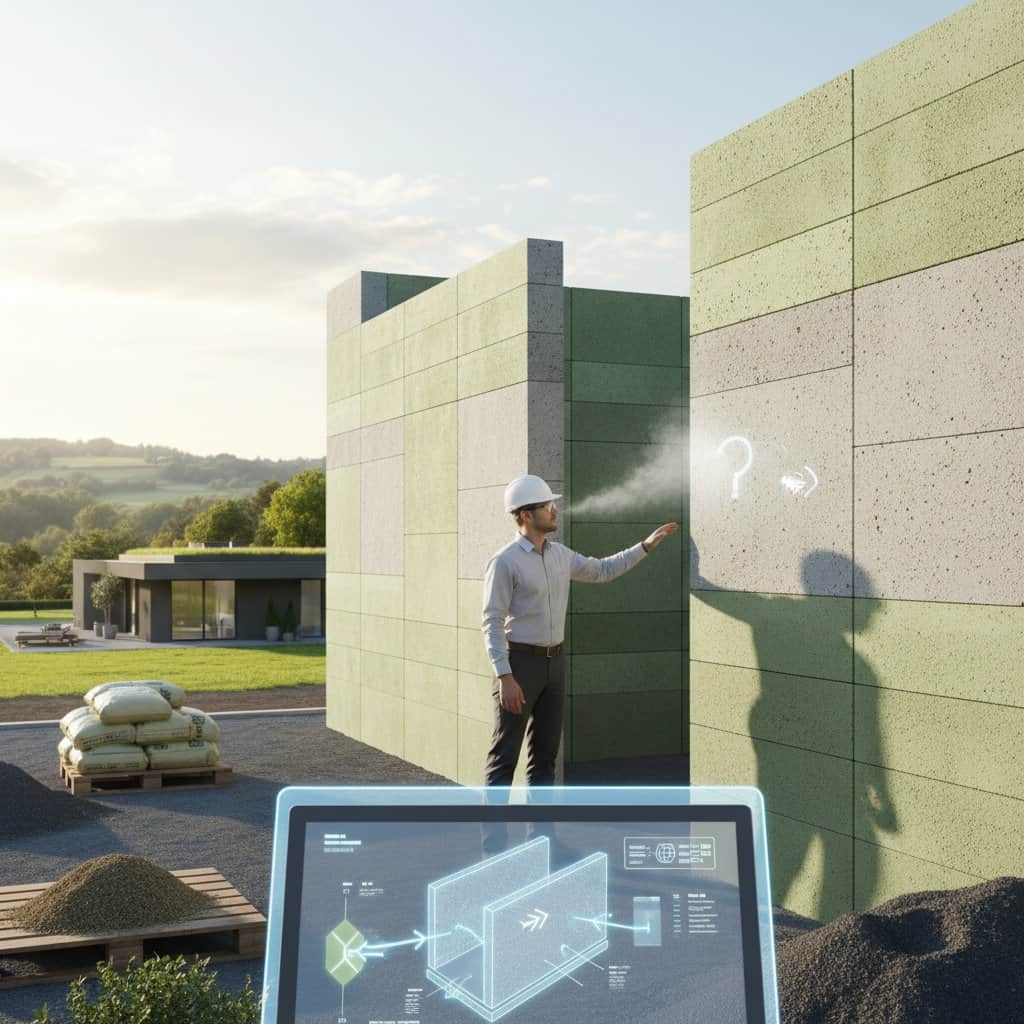
Featured image for Why Hempcrete and Ashcrete Are Going Mainstream

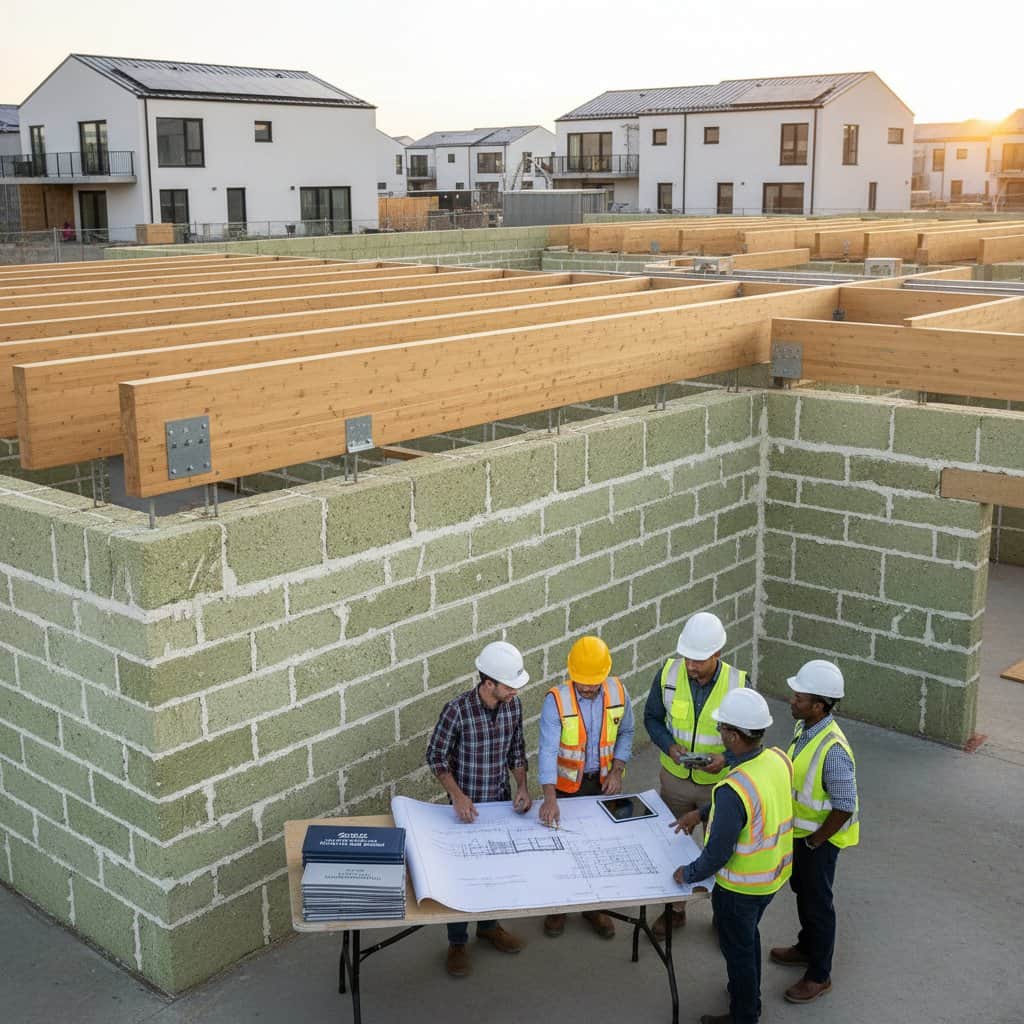
Why Hempcrete and Ashcrete Are Going Mainstream

Hempcrete and ashcrete emerge as viable alternatives to traditional concrete, offering environmental benefits and practical advantages. Hempcrete provides carbon-negative insulation and moisture regulation, while ashcrete repurposes industrial waste for durable, low-cost applications. These materials support energy-efficient, resilient buildings that align with modern sustainability goals.

4 min read
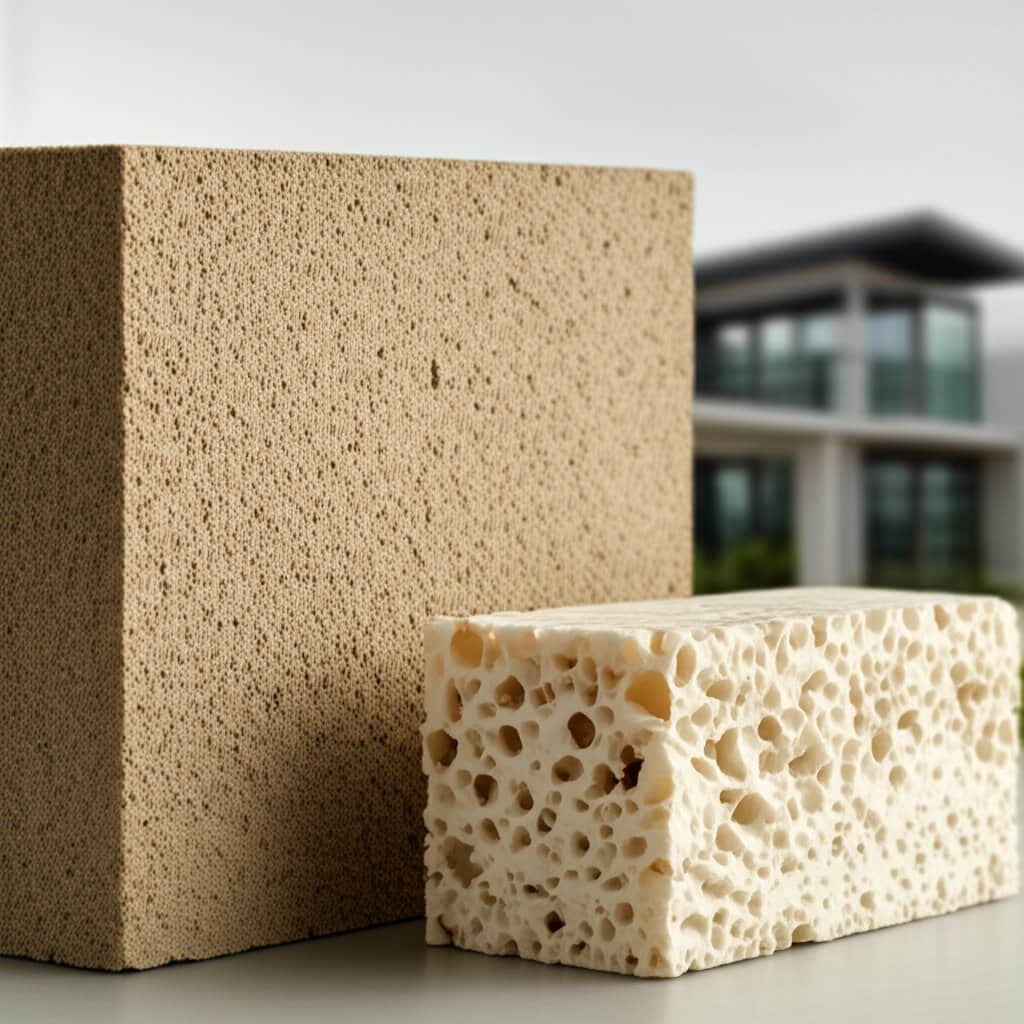
Featured image for Hempcrete and Mycelium: Breathable Alternatives to Concrete

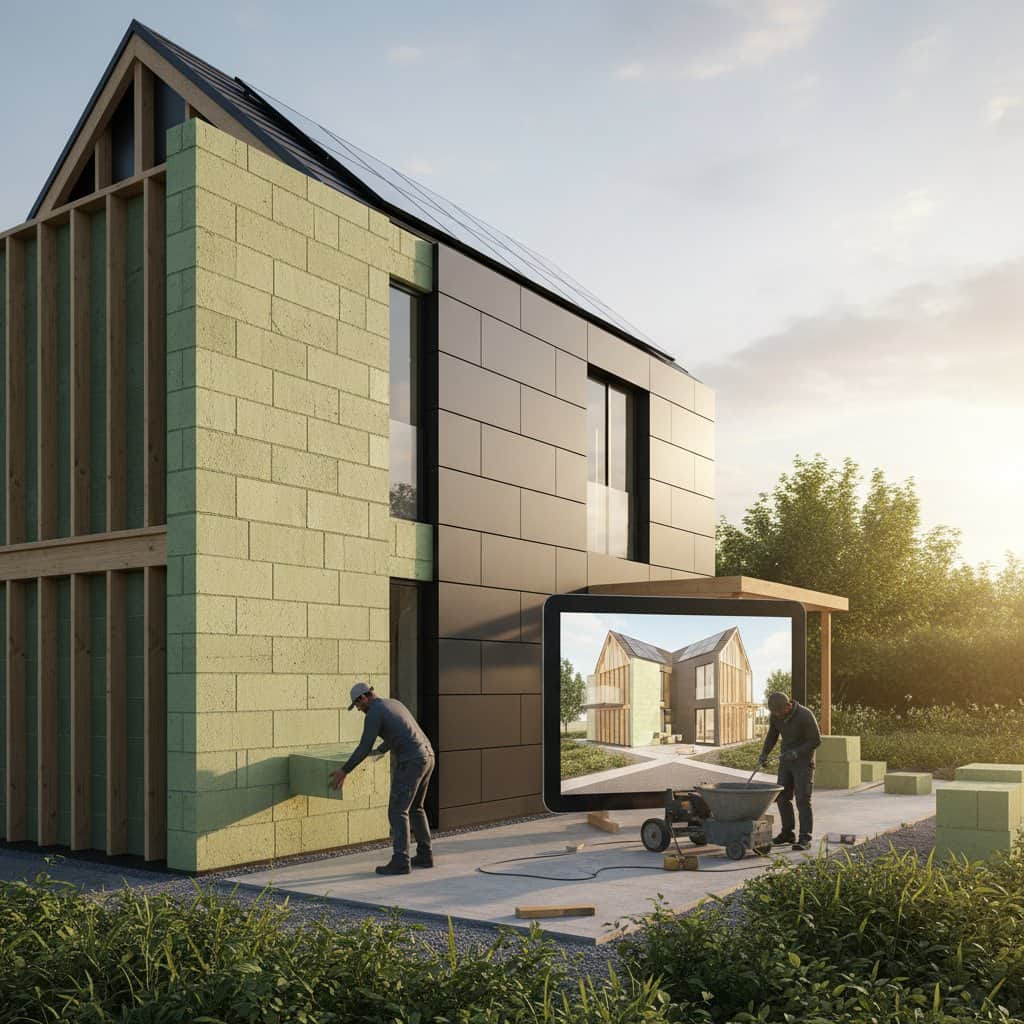
Hempcrete and Mycelium: Breathable Alternatives to Concrete

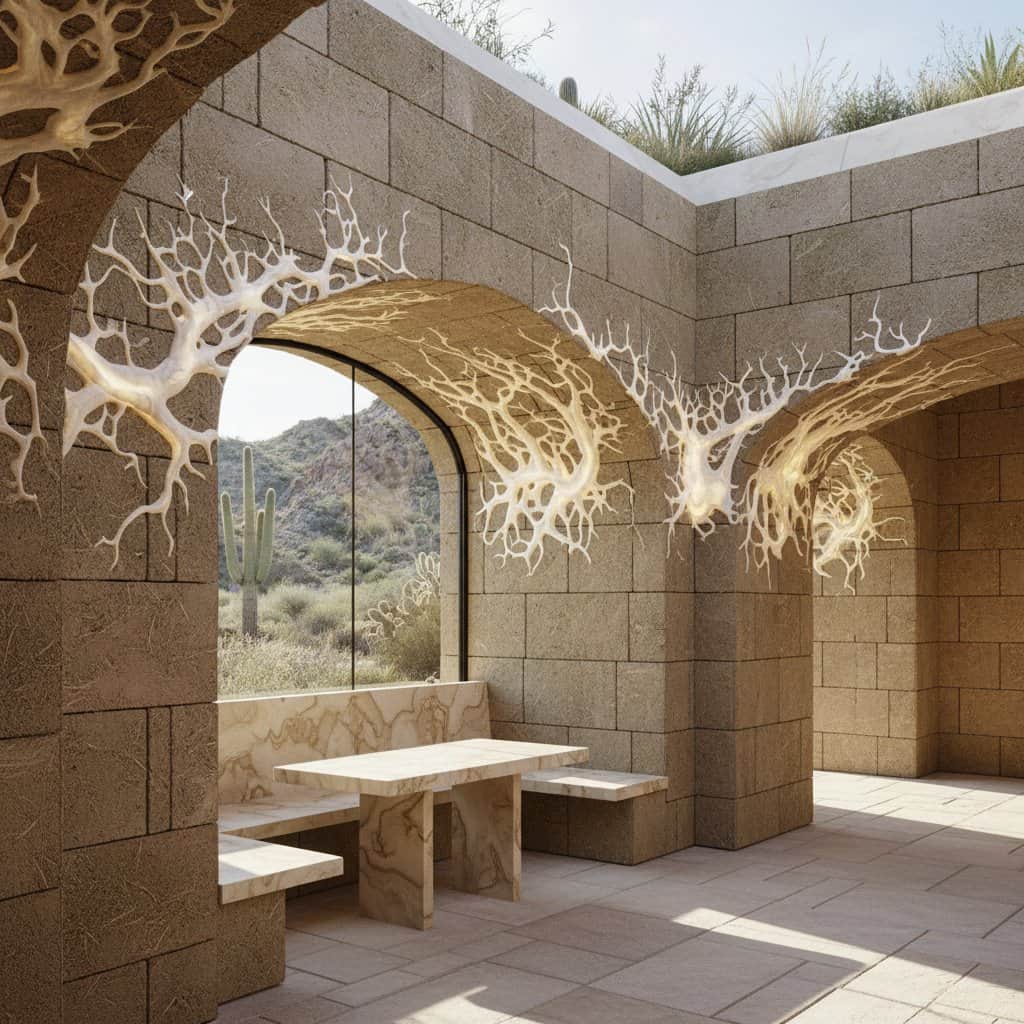
Hempcrete and mycelium emerge as innovative substitutes for concrete in sustainable building practices. These renewable materials provide breathability, effective moisture regulation, and enhanced insulation while minimizing environmental impact. Builders and homeowners alike benefit from structures that promote well-being and align with ecological responsibility.

6 min read
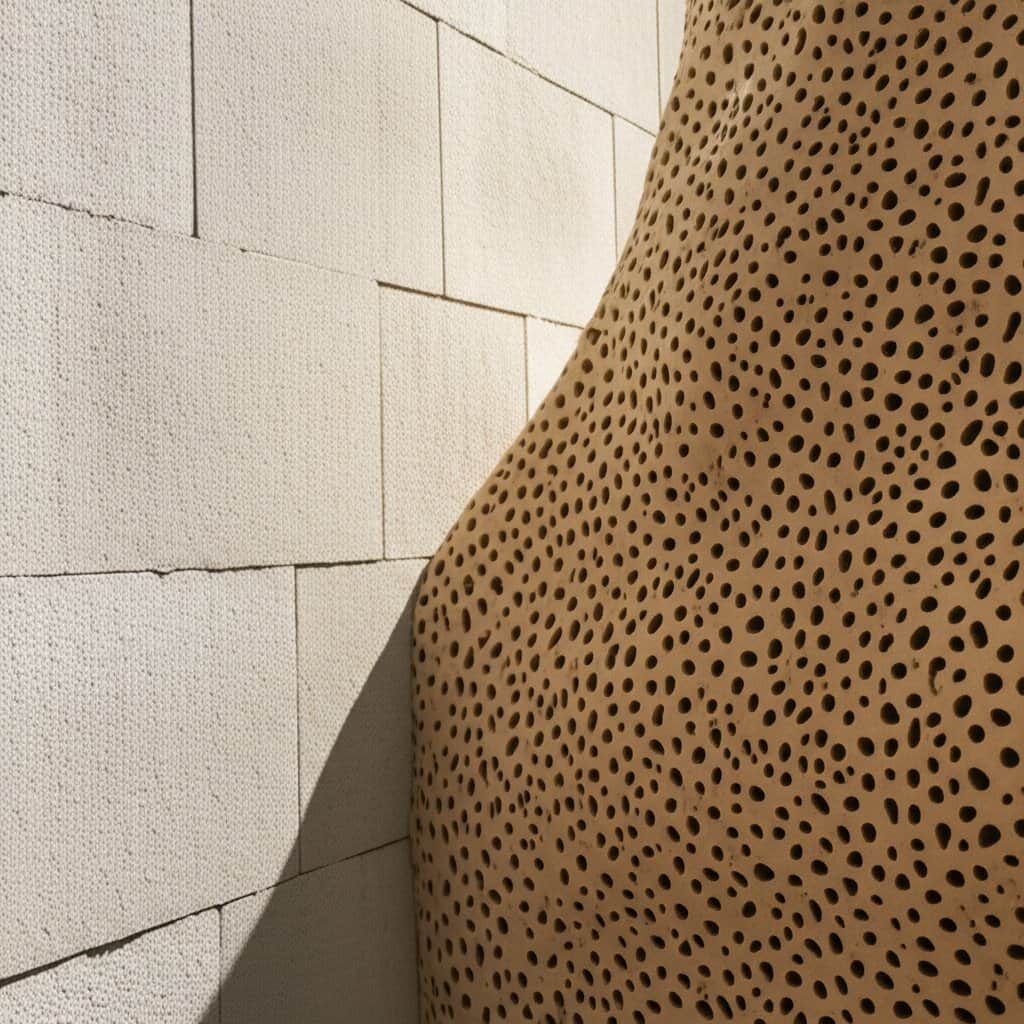
Featured image for Hempcrete Walls Breathe and Lock Away Carbon

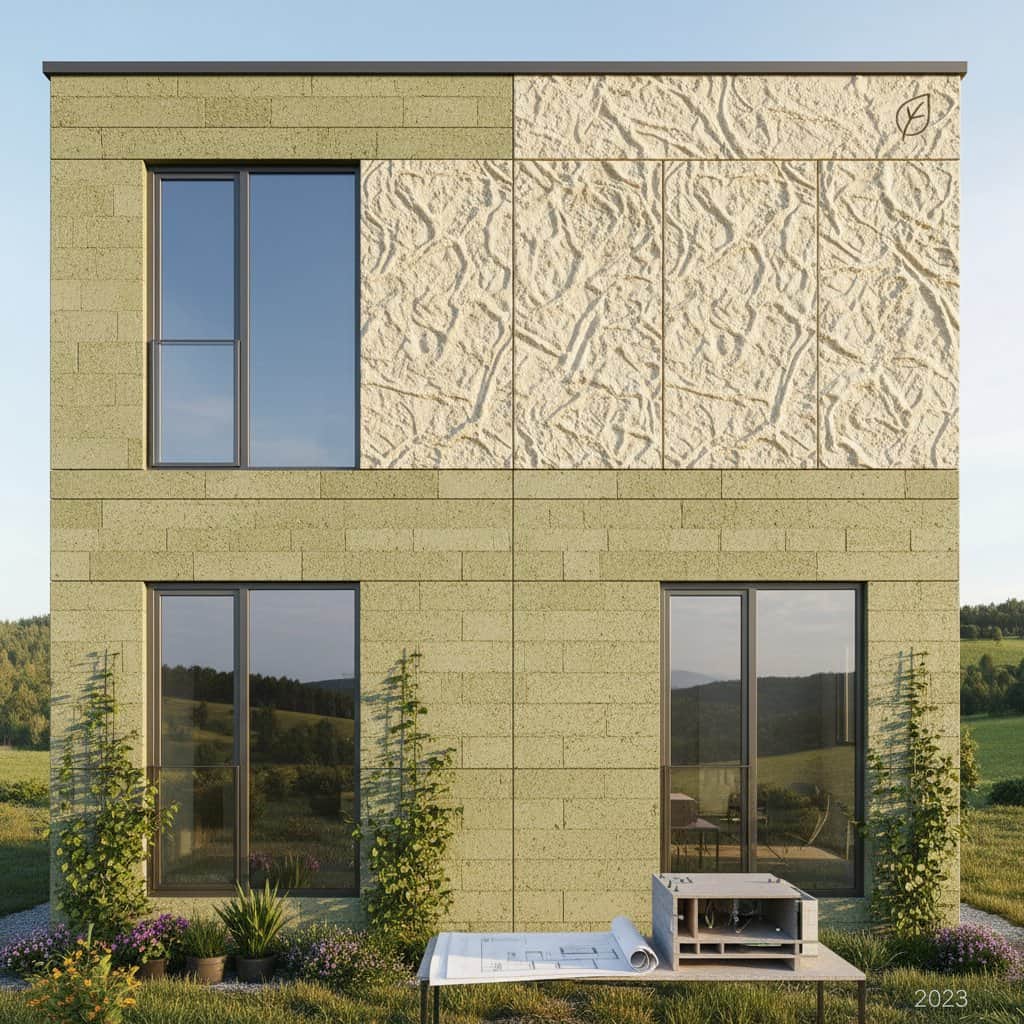
Hempcrete Walls Breathe and Lock Away Carbon

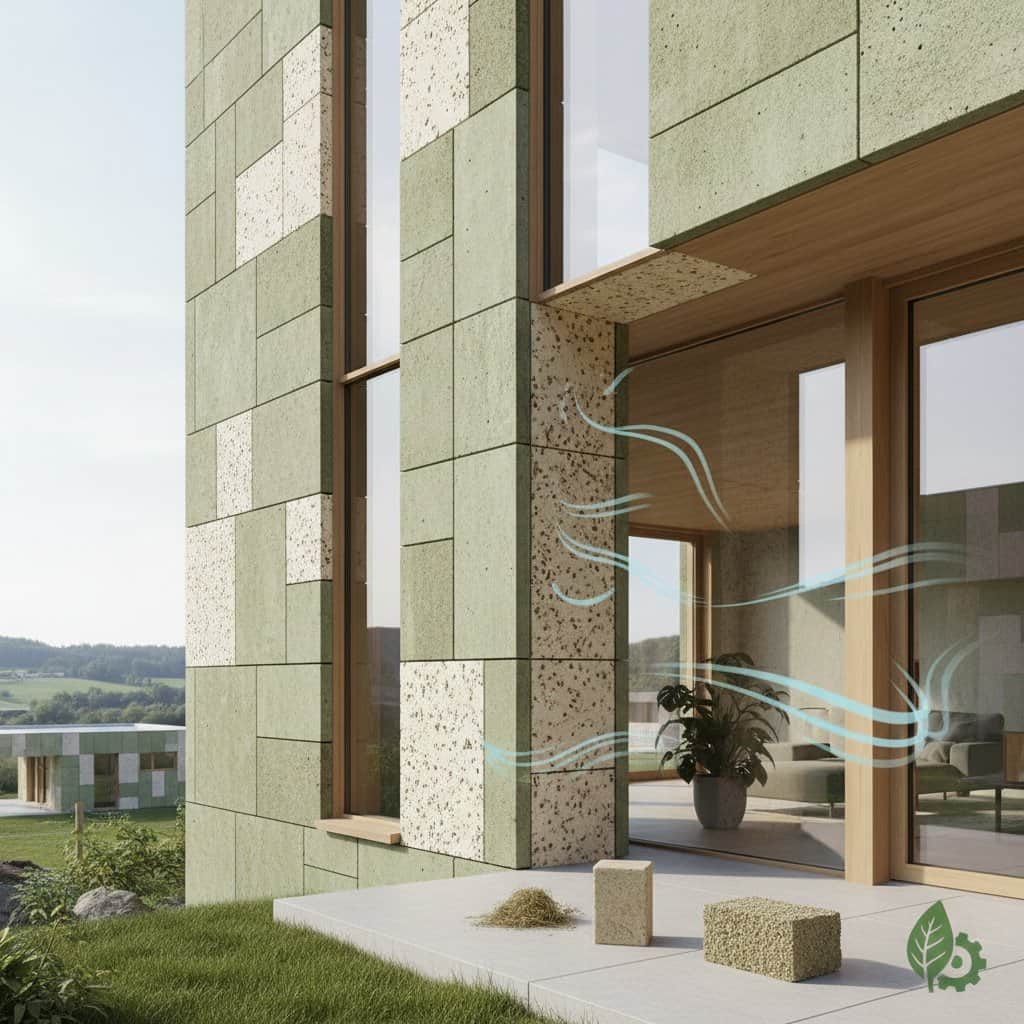
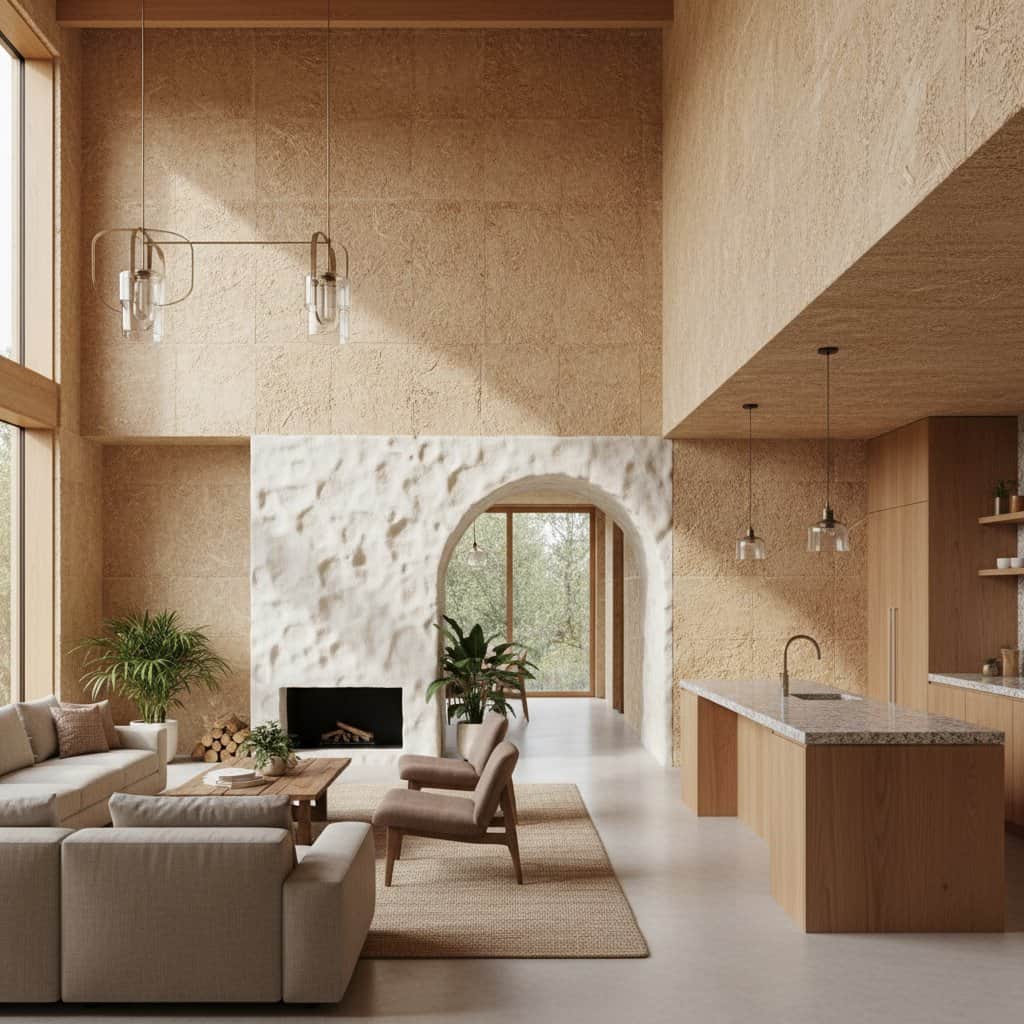
Hempcrete, composed of hemp hurds, lime, and water, revolutionizes sustainable building. With official approval in select regions, it delivers breathable, carbon-negative walls that naturally manage temperature and humidity. Lightweight, fire-resistant, and aesthetically versatile, hempcrete integrates design excellence with environmental responsibility, enabling builders and homeowners to craft inviting, eco-conscious environments.

5 min read
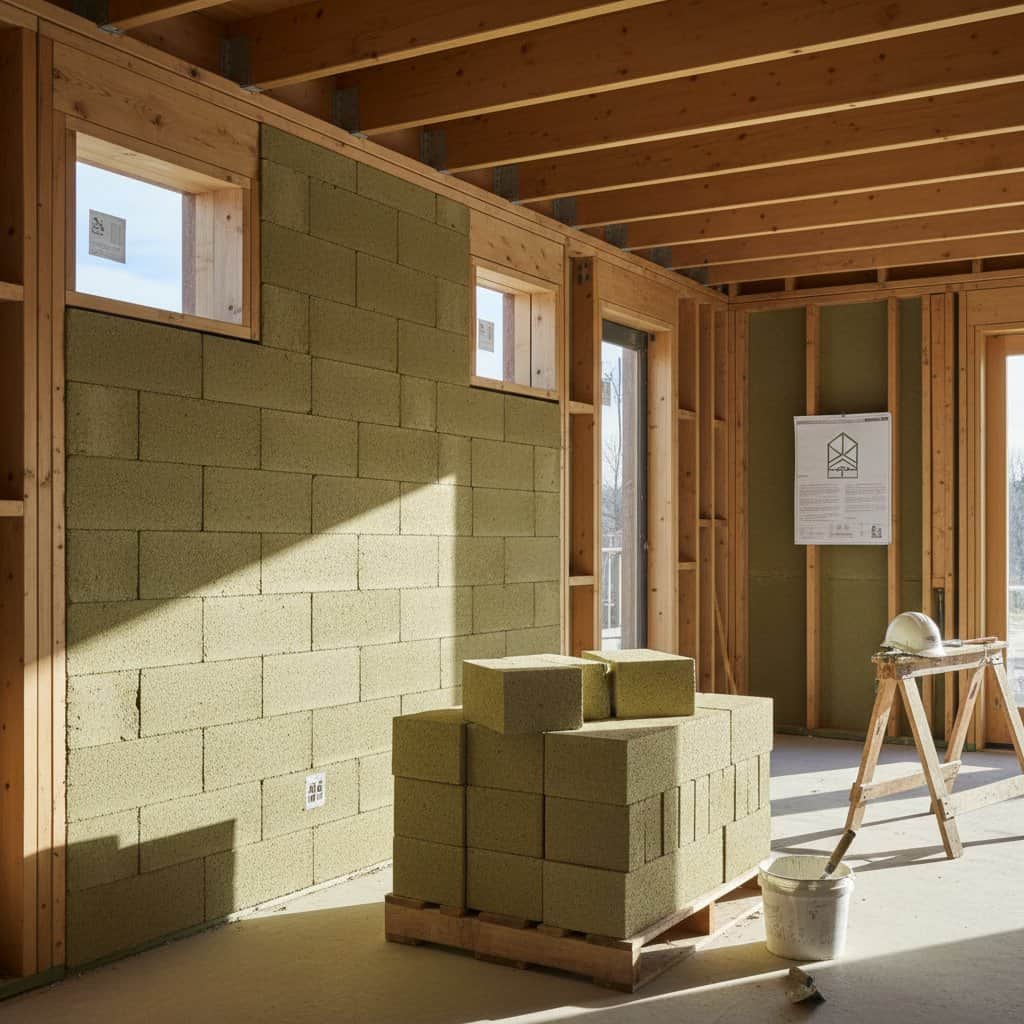
Featured image for Hempcrete and Mycelium Replace Concrete in Real Homes

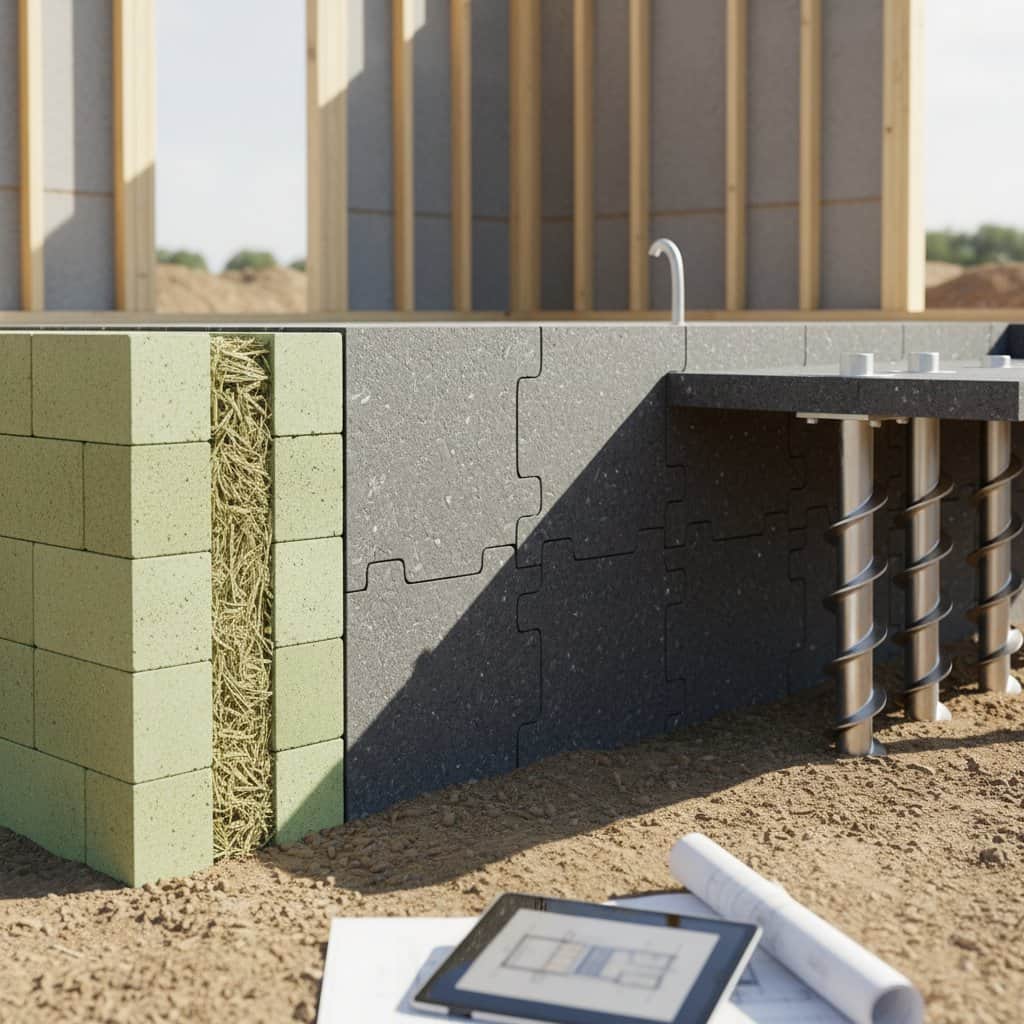
Hempcrete and Mycelium Replace Concrete in Real Homes

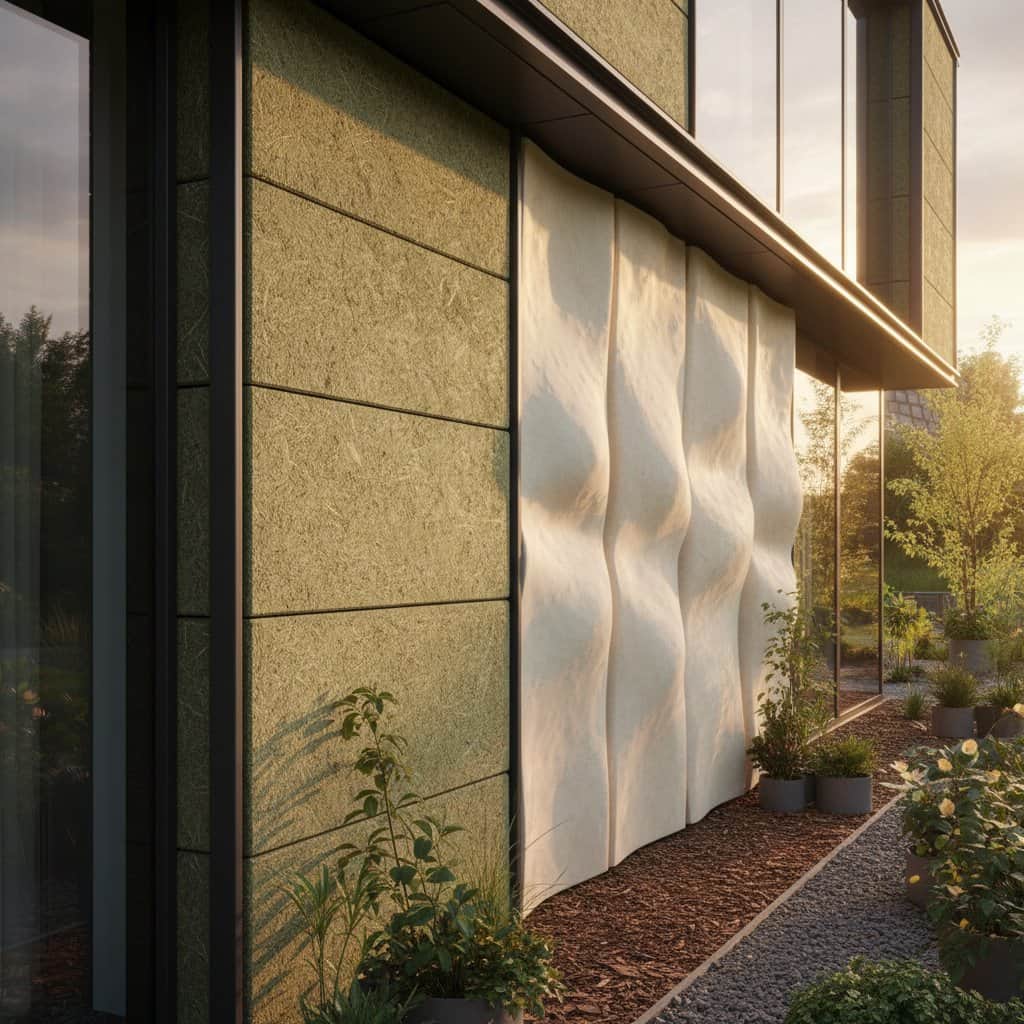
Hempcrete and mycelium emerge as groundbreaking alternatives to concrete and drywall in sustainable construction. These materials provide breathable structures, superior insulation, and minimal environmental impact. With decreasing costs and increasing availability, they transition from experimental options to practical choices for builders seeking durable, green solutions.

6 min read
Featured image for Hempcrete Walls Approved in 12 States as Green Build Option

Hempcrete Walls Approved in 12 States as Green Build Option

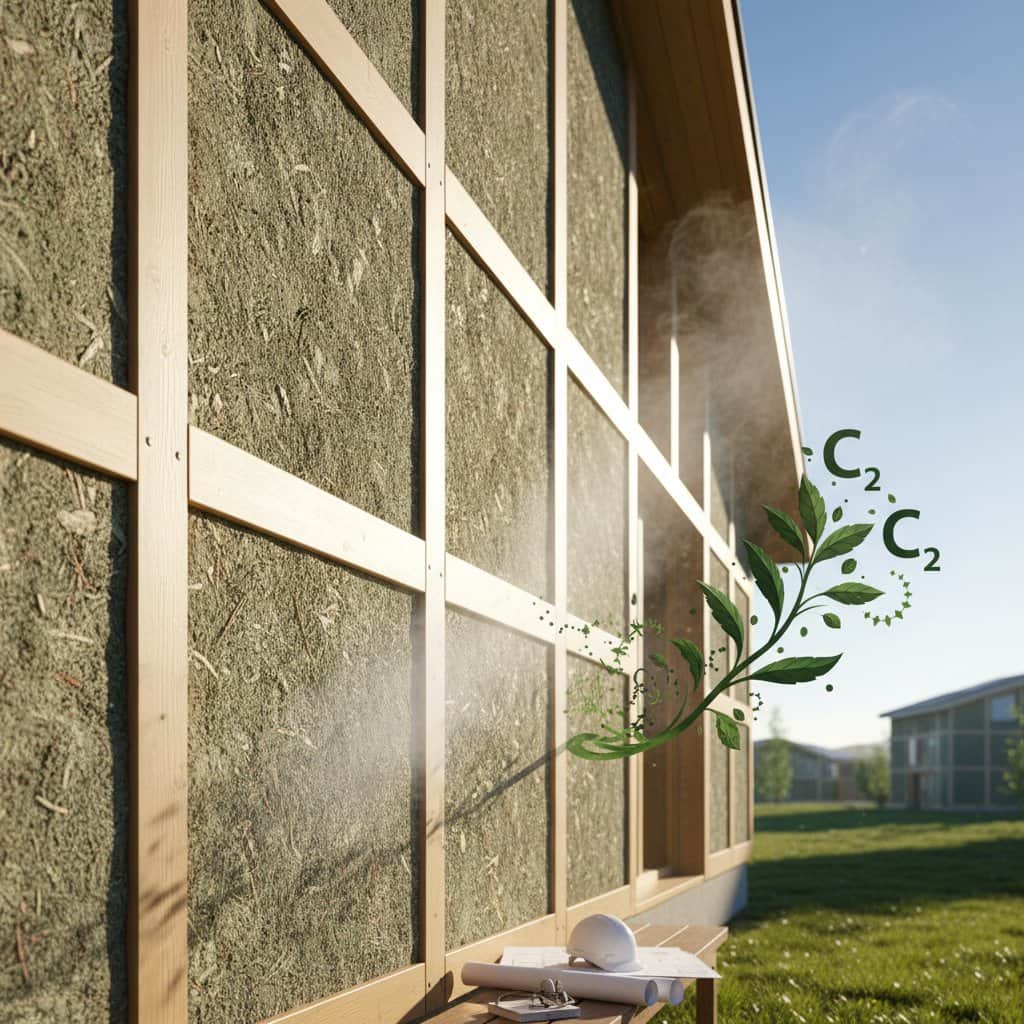
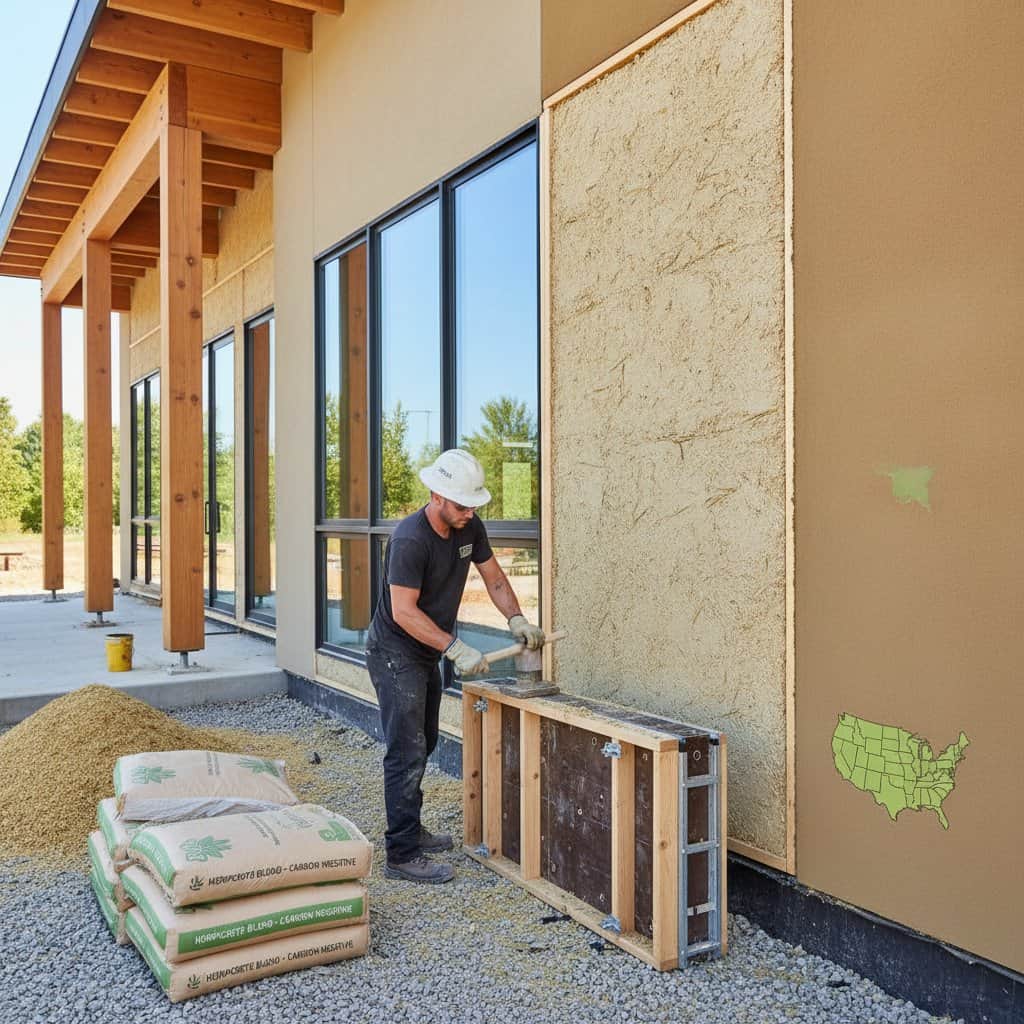
Hempcrete, a carbon-negative mixture of hemp, lime, and water, has received approval in 12 states as a viable alternative to traditional concrete. This lightweight, breathable material enhances energy efficiency and promotes healthier living spaces. Builders value its durability, low maintenance, and positive environmental impact, marking a significant advancement in green building practices across the nation.

6 min read
Featured image for 3D Concrete Walls vs Drywall: Which Saves Money Long Term

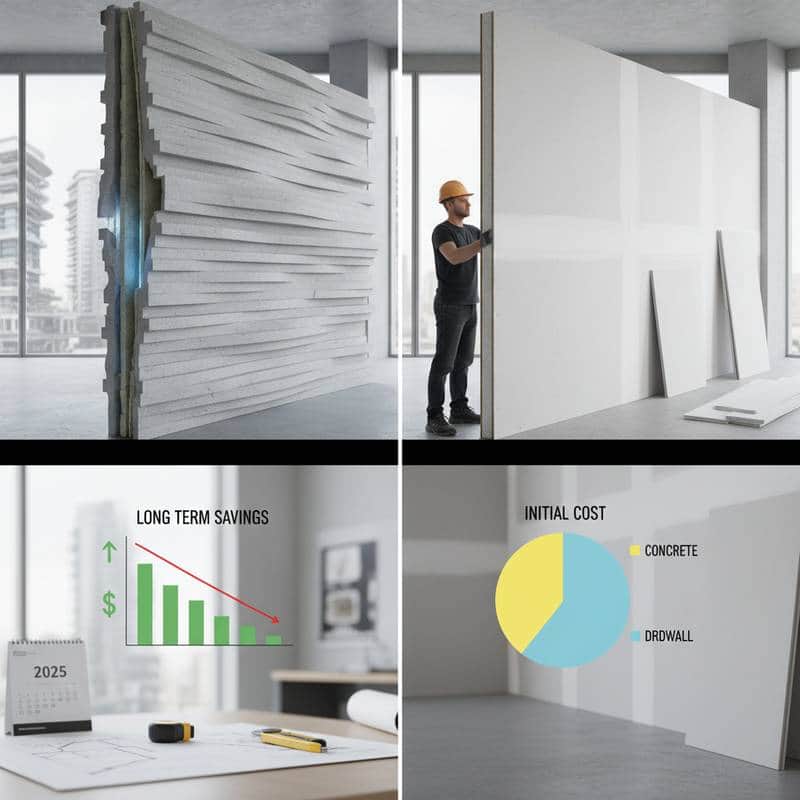
3D Concrete Walls vs Drywall: Which Saves Money Long Term

As construction methods evolve in 2025, builders face a choice between innovative 3D printed concrete walls and traditional drywall. While 3D concrete demands higher initial investment, it offers superior durability and energy efficiency for long-term savings. Drywall provides affordability and ease of installation, yet requires more upkeep over time; the best option hinges on project specifics like location and lifespan expectations.

6 min read
Featured image for Why Natural Building Materials Finally Feel Like Home

Why Natural Building Materials Finally Feel Like Home

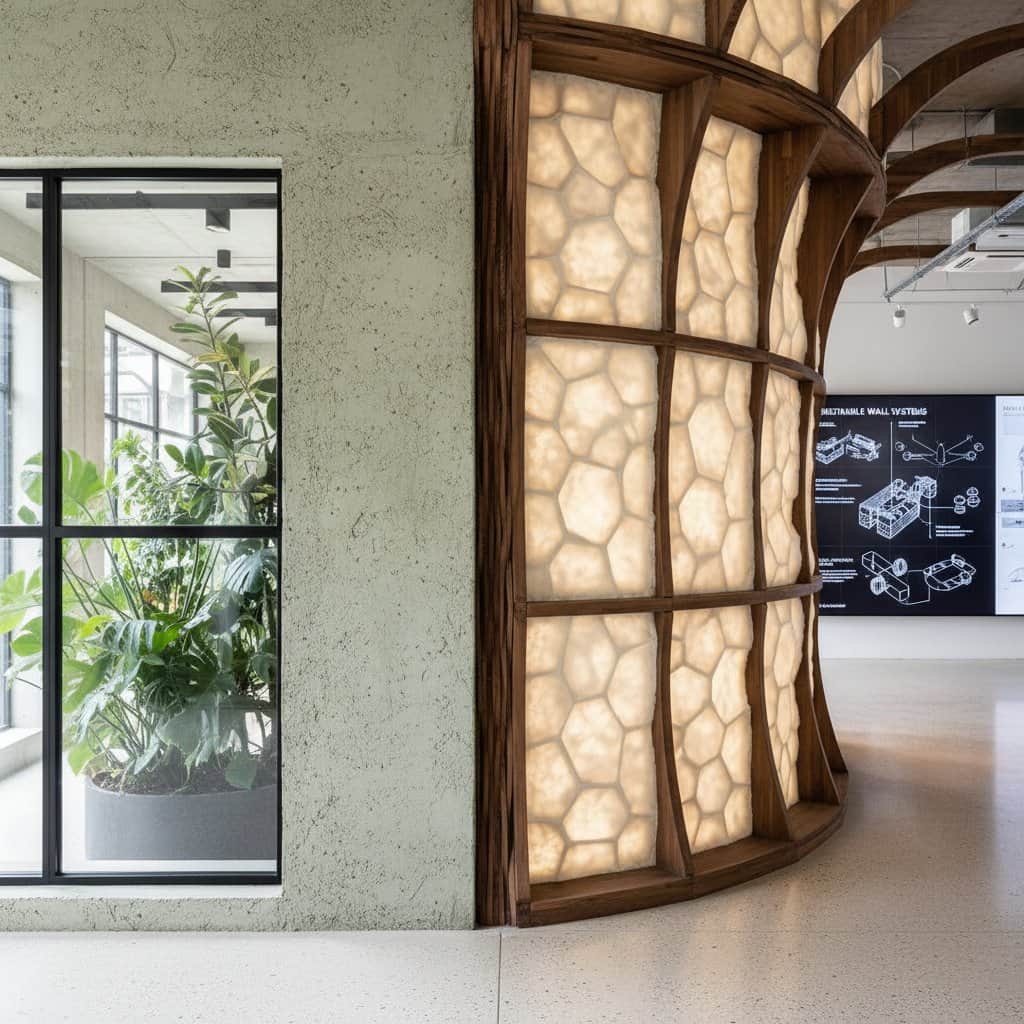
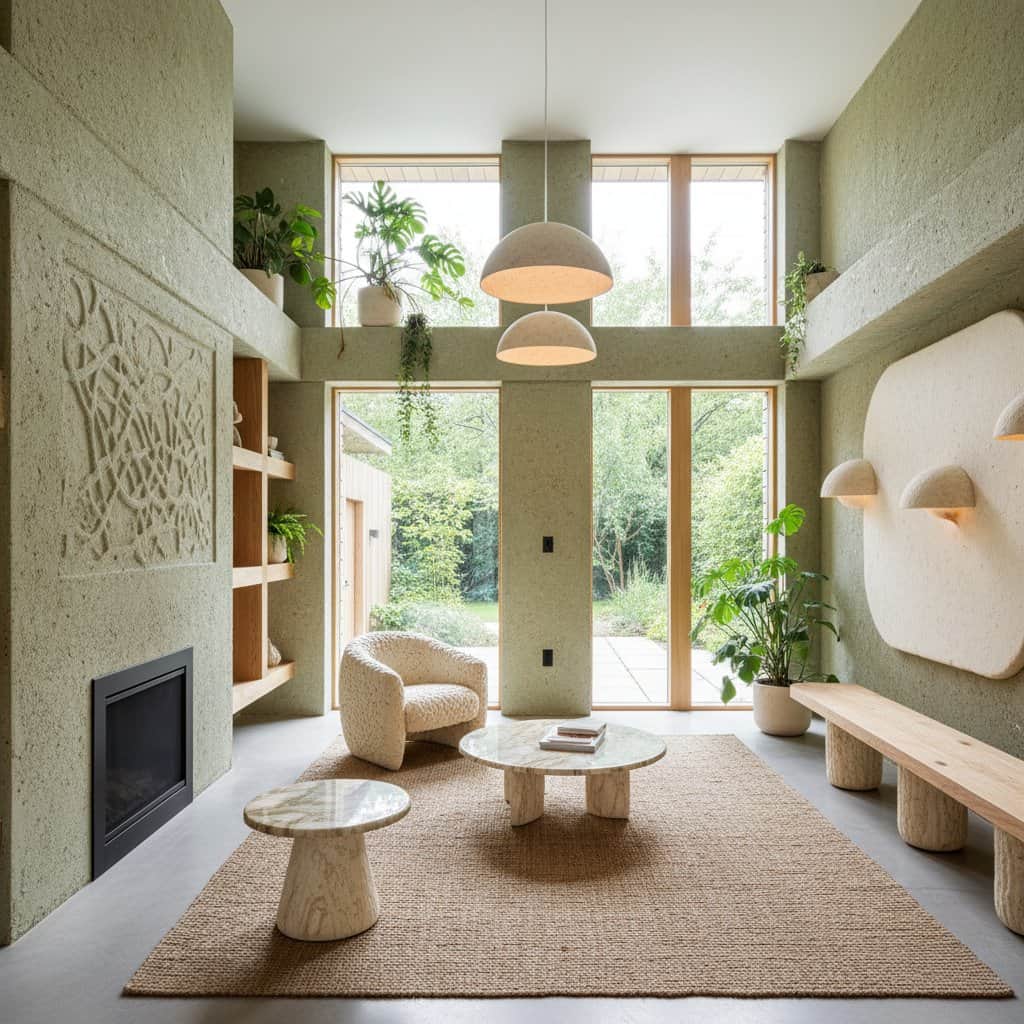
Hempcrete and mycelium emerge as innovative, plant- and fungi-derived materials that surpass traditional options in sustainability. They provide superior breathability, carbon sequestration, and biodegradability while boosting indoor health and reducing ecological impact. Homeowners and builders value these choices for their aesthetic appeal, efficiency, and alignment with green living principles.

4 min read
Featured image for Hempcrete and Mycelium: Natural Materials That Insulate and Absorb Carbon

Hempcrete and Mycelium: Natural Materials That Insulate and Absorb Carbon

Hempcrete and mycelium represent a shift in sustainable construction, offering lightweight materials that sequester carbon and provide natural insulation. These options create breathable, resilient structures that enhance comfort and reduce environmental impact. Although non-load-bearing, they integrate seamlessly into contemporary designs, presenting a viable alternative to conventional concrete for those prioritizing efficiency and ecological responsibility.

5 min read