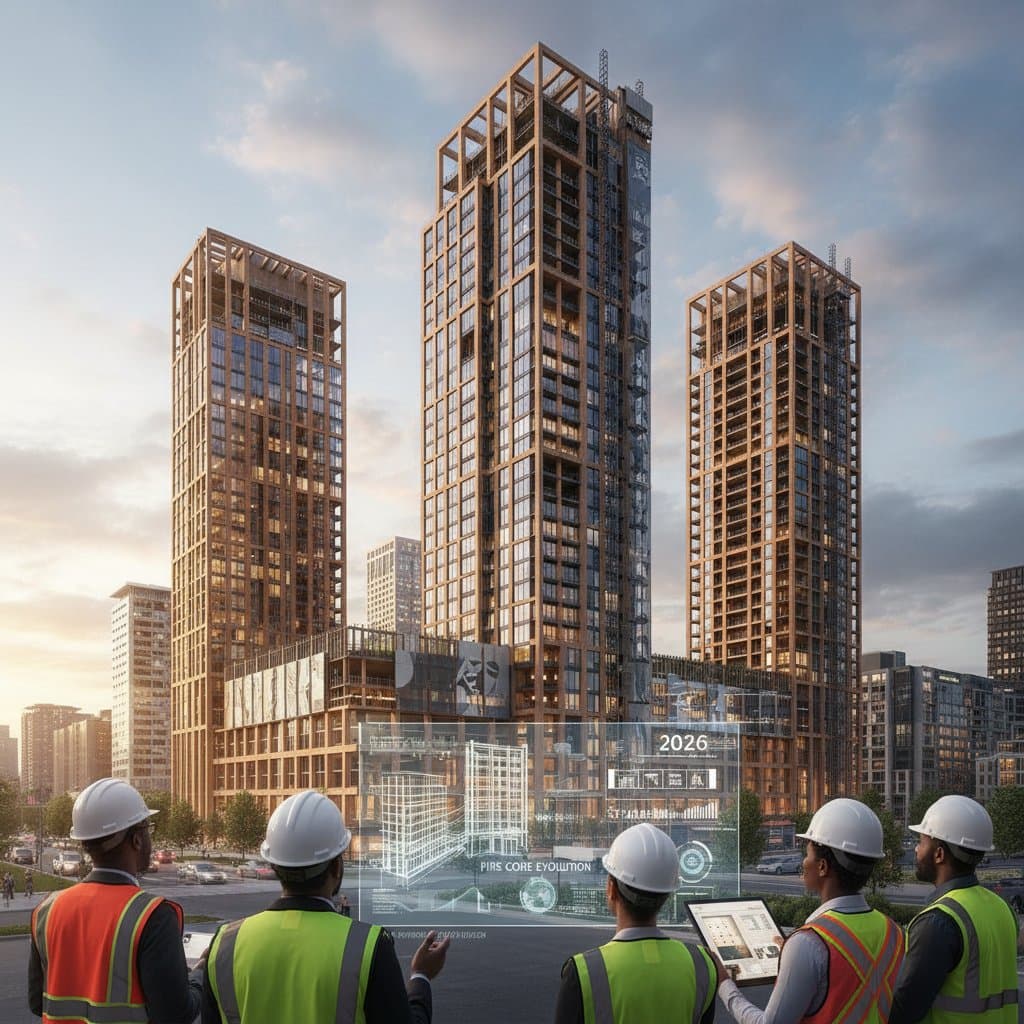
Mass Timber Towers: Preparing for the 2026 Fire Code Updates
Urban landscapes evolve with innovative materials that balance aesthetics, efficiency, and environmental responsibility. Mass timber structures introduce a sense of warmth and natural texture to high-rise environments, contrasting with traditional steel and concrete. These buildings reduce carbon footprints through renewable resources and accelerate construction timelines.
The 2026 fire code revisions represent a pivotal moment for mass timber adoption. These changes address long-standing concerns about wood in tall buildings by establishing rigorous standards for fire performance. Builders and architects must adapt designs to meet these requirements, ensuring both innovation and safety.
Balancing Innovation with Safety Standards
Cross-laminated timber (CLT) and glued-laminated timber (glulam) offer advantages in weight, assembly speed, and sustainability compared to conventional materials. Existing codes, developed for lower-rise applications, require updates to accommodate structures exceeding 18 stories. The revisions provide a framework that validates mass timber's viability while imposing enhanced safeguards.
Professionals in construction and design gain opportunities to pioneer taller, greener projects. Compliance demands demonstration of material integrity under fire exposure, influencing everything from structural engineering to regulatory approvals.
Key Impacts on Construction Practices
The 2026 updates emphasize enhanced protocols in material evaluation, fire containment, and suppression technologies. Project teams should integrate these elements from the initial planning stages to avoid delays.
-
Material Testing Protocols
Rigorous assessments now evaluate charring behavior and adhesive integrity in CLT panels and glulam components during prolonged heat exposure. Teams must source materials with verified performance data from accredited labs. This process confirms that the protective char layer maintains structural stability, allowing safe evacuation times. -
Compartmentation Requirements
Stricter guidelines mandate robust fire barriers in walls, floors, and ceilings to isolate flames and smoke. Designers focus on sealing joints, penetrations, and connections with high-performance materials. Compliance checklists include inspections for elements like electrical conduits and HVAC ducts to prevent fire spread. -
Active Fire Suppression Integration
Systems combining automatic sprinklers with advanced detection sensors become standard. Builders consider water-mist alternatives to minimize post-fire damage in sensitive areas. Pre-engineered packages from certified vendors ensure seamless incorporation into timber frameworks.
Managing Costs and Logistics
Initial concerns about rising expenses from compliance measures often prove overstated. Mass timber's prefabrication reduces on-site labor by up to 30 percent, offsetting investments in fire-rated treatments and systems. Lighter loads also simplify foundation work, lowering overall material demands.
Regional suppliers play a crucial role by providing pre-certified panels aligned with new standards. Evaluate vendors based on their quality assurance documentation and supply chain reliability. This approach streamlines procurement and supports local economies.
Integrating Safety into Aesthetic Design
Exposed timber surfaces enhance interior appeal when treated with intumescent coatings that expand under heat for protection. Select finishes that preserve the material's natural grain while meeting fire ratings. Maintenance routines, such as non-abrasive cleaning, sustain visual quality over time.
Lighting strategies amplify timber's warmth without compromising safety. Incorporate adjustable LED fixtures and indirect illumination to highlight textures. Compliance extends to fixture placement, ensuring no overheating risks near wooden elements.
Steps for Successful Implementation
Initiate collaboration with fire engineers during schematic design to align with code expectations. Consult municipal authorities early to incorporate site-specific feedback. Document all decisions in a compliance binder for streamlined permitting.
These updates elevate mass timber from experimental to essential in sustainable urban development. Projects that embrace proactive planning deliver enduring structures that prioritize occupant well-being and environmental stewardship.