#new

Articles tagged with new

Featured image for Zero-Down Builder Loans Lock 4.9% Rates Early

Zero-Down Builder Loans Lock 4.9% Rates Early

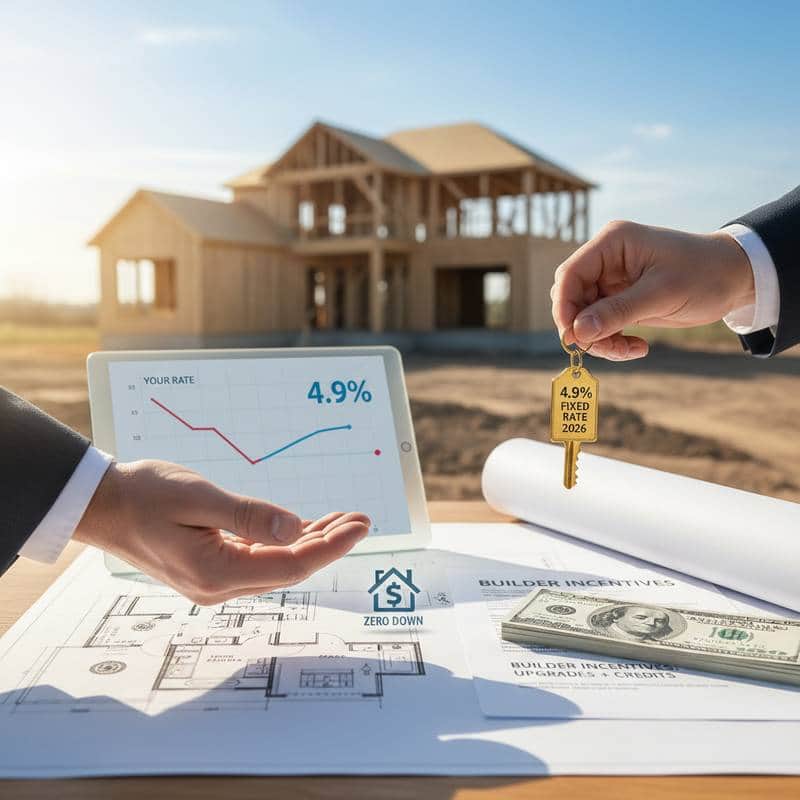
Zero-down builder loans enable homebuyers to commence new construction without an initial down payment while securing a 4.9% interest rate to shield against market fluctuations. Builders enhance these offers with incentives such as upgrades or closing cost assistance, yet buyers must scrutinize rate locks, associated fees, and project timelines to optimize benefits and prevent unexpected expenses.

4 min read
Featured image for Builder Rate Buydowns Lower Your Monthly Payment

Builder Rate Buydowns Lower Your Monthly Payment

Builder rate buydowns empower 2026 homebuyers by cutting monthly mortgage payments and improving affordability. These builder-funded incentives temporarily or permanently lower rates, drawing in purchasers while mitigating budget strains. Discover their mechanics, evaluation tips, and strategies to optimize your new home purchase.

6 min read
Featured image for Zero-Down Builder Loans Break the Down Payment Barrier

Zero-Down Builder Loans Break the Down Payment Barrier

Emerging zero-down builder loan programs set for 2026 transform home construction financing by merging construction loans with permanent mortgages. These options eliminate down payment requirements, simplify approval processes, and foster collaborations with builders. Discover how such programs render custom homebuilding feasible, efficient, and aligned with modern financial realities for prospective homeowners.

4 min read
Featured image for Seller Financing Jumps 180% as Mortgage Rates Climb

Seller Financing Jumps 180% as Mortgage Rates Climb

Mortgage rates continue to rise, leading to a 180% increase in seller-financed new construction nationwide. Builders and buyers turn to these arrangements to sidestep conventional lenders, enabling customized deals that expedite closings and encourage inventive approaches. This resurgence of a time-honored practice influences homebuilding dynamics, bolsters local communities, and expands access to property ownership under personalized conditions.

6 min read
Featured image for Why Builders Use Rate Buydowns Instead of Price Cuts

Why Builders Use Rate Buydowns Instead of Price Cuts

In 2026, home builders combat elevated mortgage rates through rate buydown incentives, reducing monthly payments rather than home prices to sustain sales momentum. These tactics influence buyer decisions, market trends, and bargaining leverage. Buyers who grasp the mechanics of temporary and permanent buydowns can capitalize on these offers while sidestepping potential pitfalls.

6 min read
Featured image for Builder Buydowns Bring 5% Mortgage Rates Back

Builder Buydowns Bring 5% Mortgage Rates Back

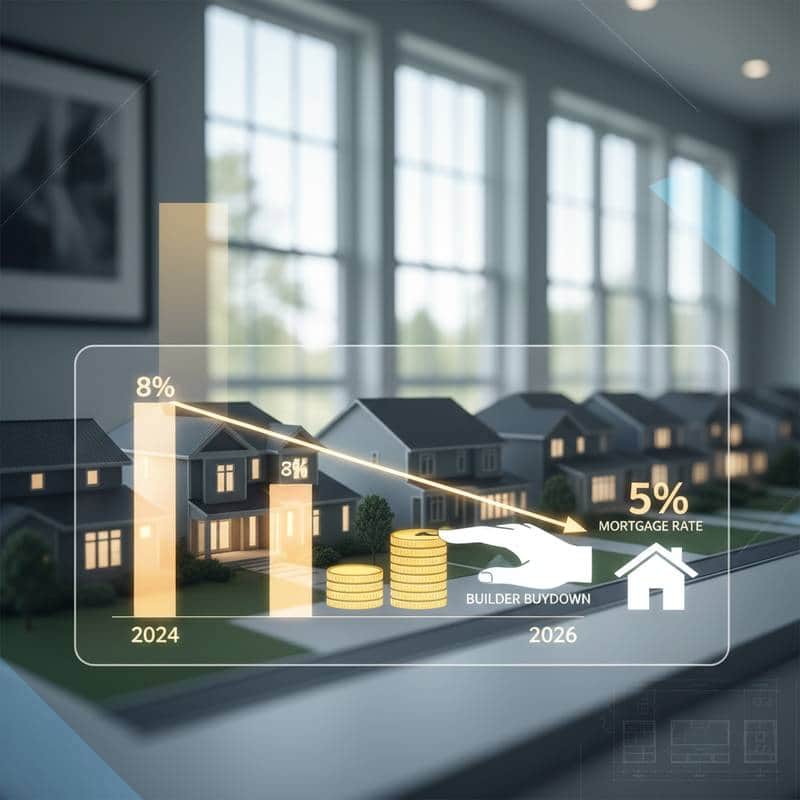
Homebuilders are leveraging mortgage rate buydowns to restore affordability, potentially delivering rates near 5% by 2026. These targeted incentives lower initial payments, assist with loan approvals, and accelerate inventory sales. Although temporary, they provide essential financial relief for buyers facing elevated housing expenses and market volatility.

4 min read
Featured image for Builder Rate Buydowns: Your Ticket to Below-Market Loans

Builder Rate Buydowns: Your Ticket to Below-Market Loans

Amid the intense competition of the 2026 Builder Wars, builders offer aggressive mortgage rate buydowns and layered incentives to attract buyers and clear inventory. This guide explains temporary versus permanent buydowns, uncovers potential drawbacks in the details, and provides strategies to evaluate lenders, negotiate benefits, and convert incentives into substantial, enduring financial advantages.

5 min read
Featured image for Why Buydowns Make New Home Payments More Comfortable

Why Buydowns Make New Home Payments More Comfortable

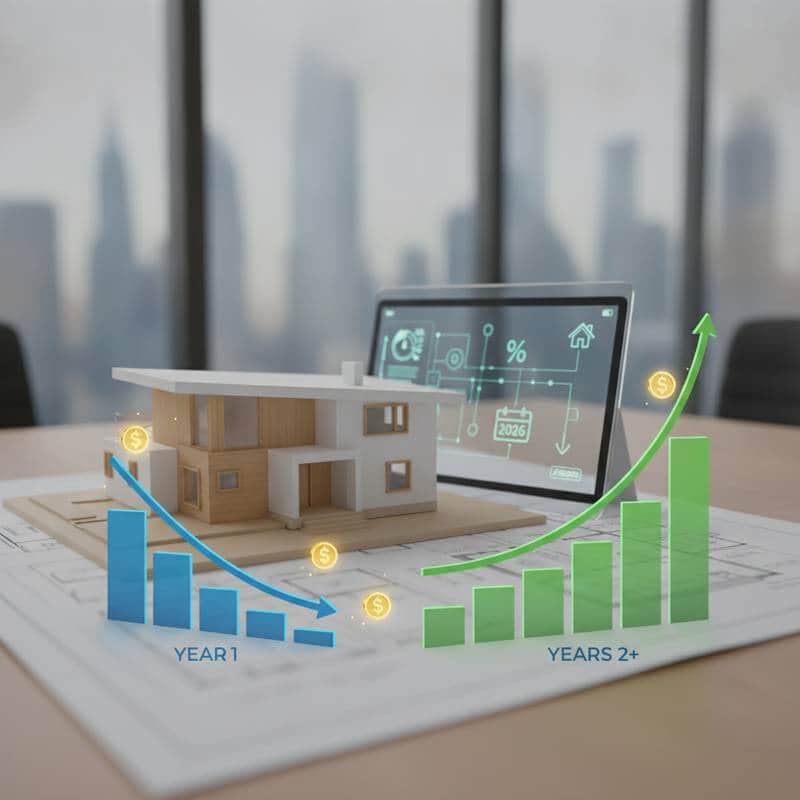
Mortgage buydowns temporarily lower interest rates for the initial years of a new home loan, enhancing affordability and allowing buyers to adjust to ownership costs while supporting builders in a competitive market. This approach delivers financial flexibility, budgeting stability, and future refinancing potential for smoother transitions to long-term homeownership.

4 min read