Hempcrete & Mycelium Replace Concrete's Carbon Cost
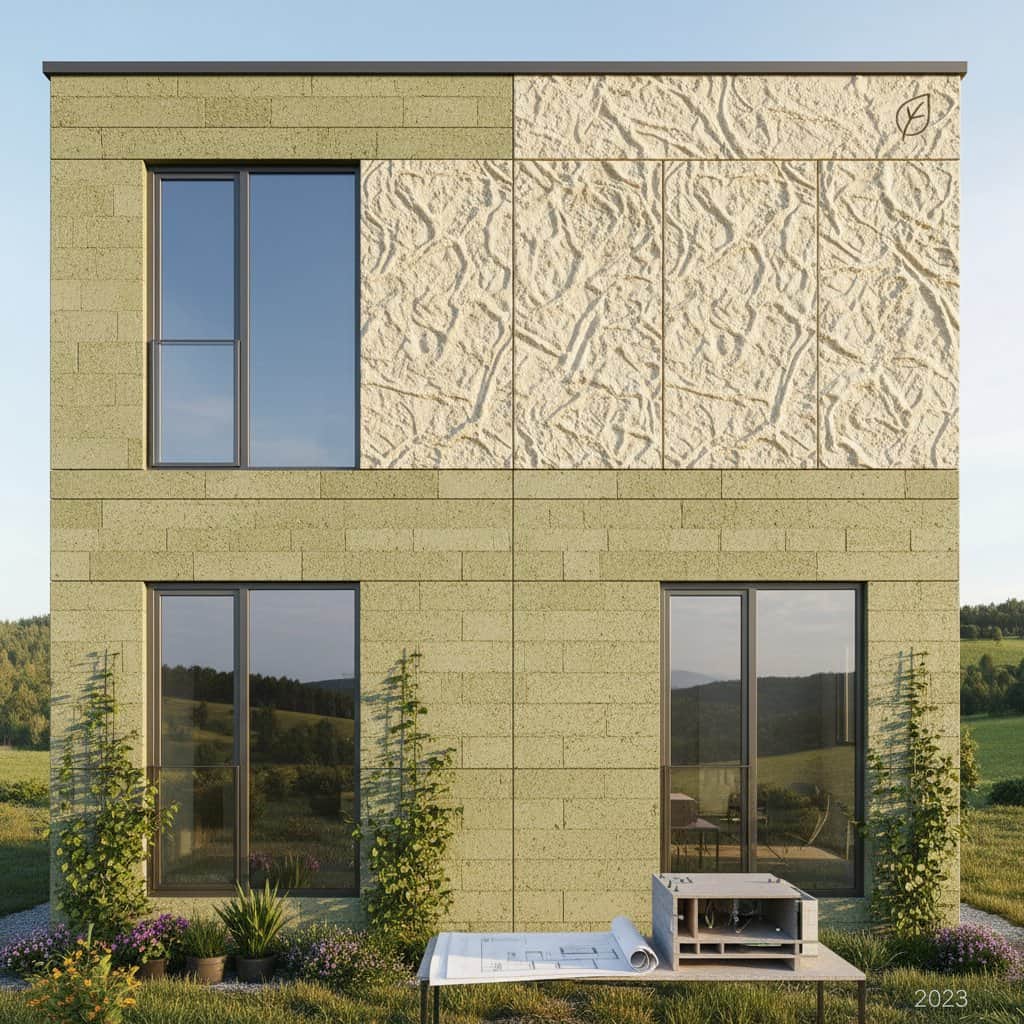
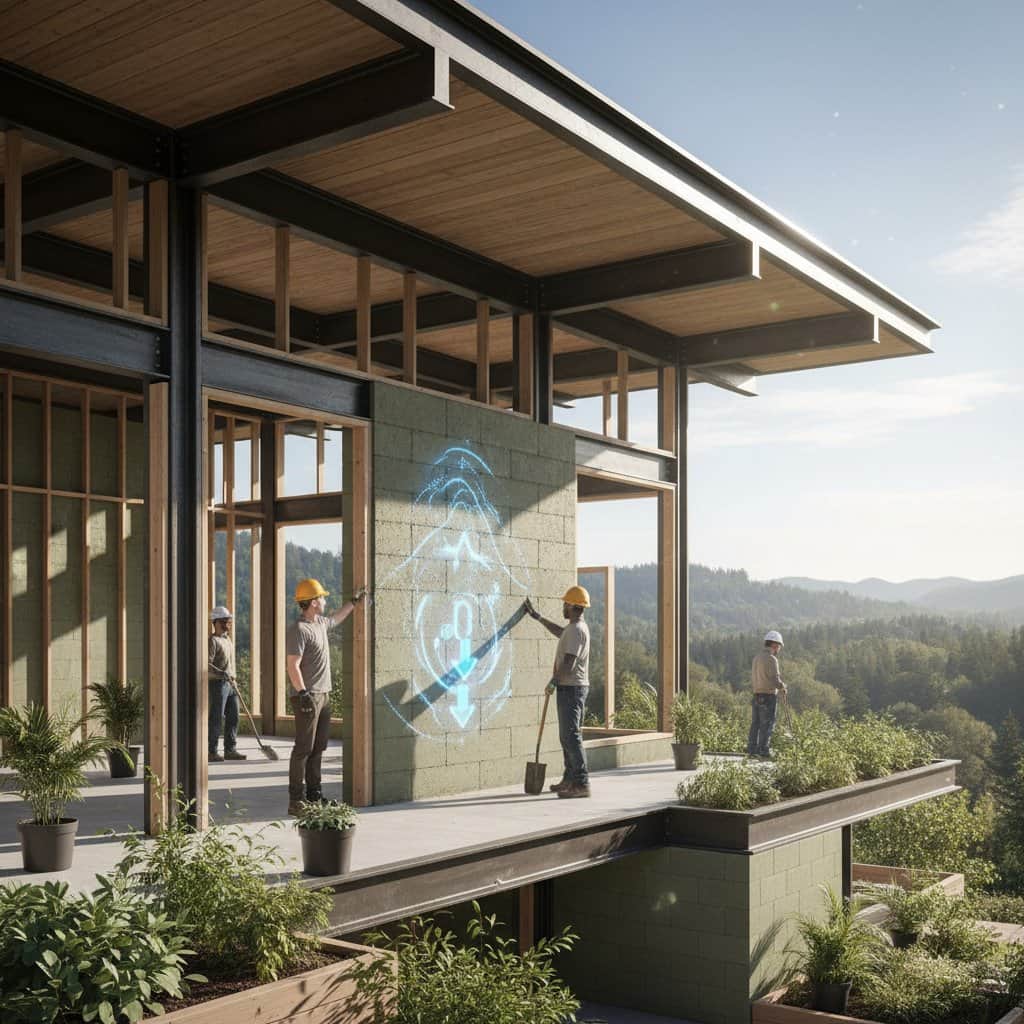
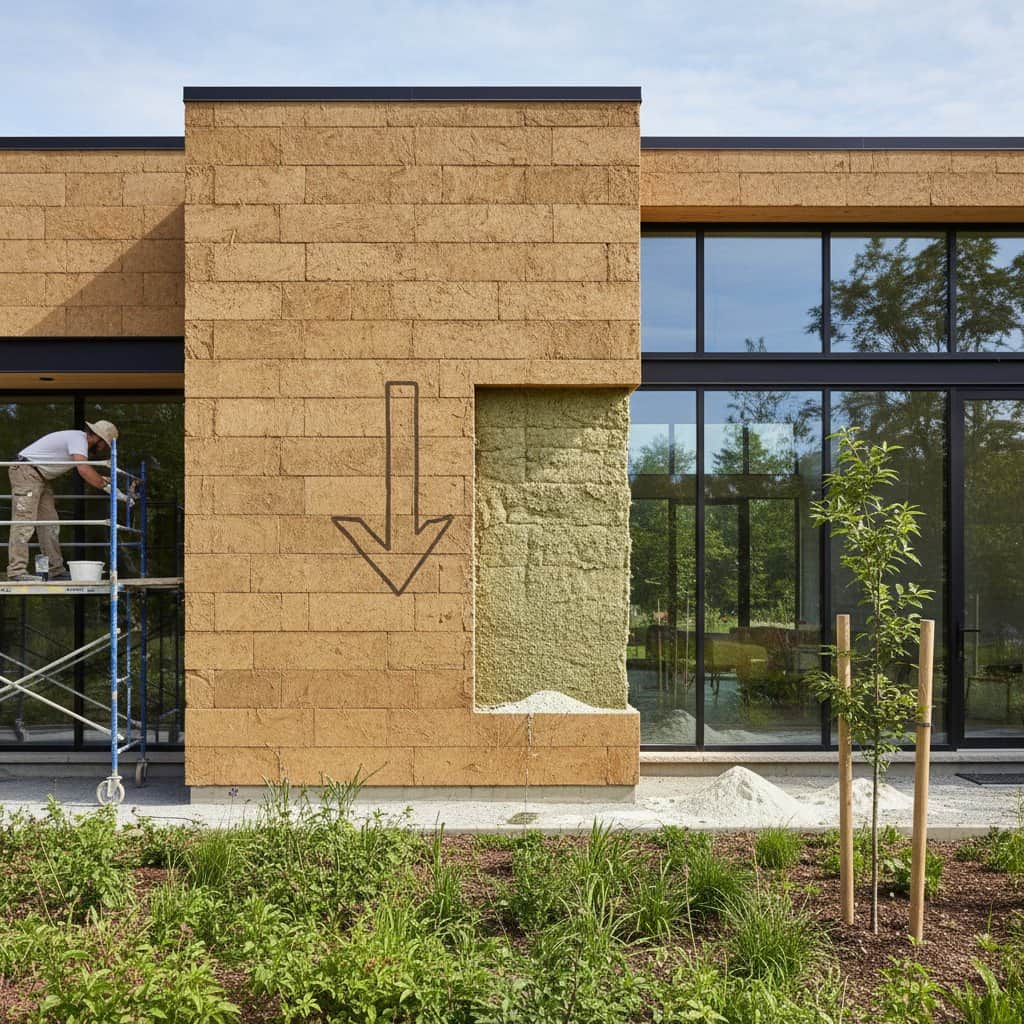
Hempcrete and mycelium redefine sustainable building with carbon-sequestering, breathable materials that enhance insulation, air quality, and natural aesthetics beyond concrete's capabilities.
Loading...
Hempcrete and mycelium redefine sustainable building with carbon-sequestering, breathable materials that enhance insulation, air quality, and natural aesthetics beyond concrete's capabilities.
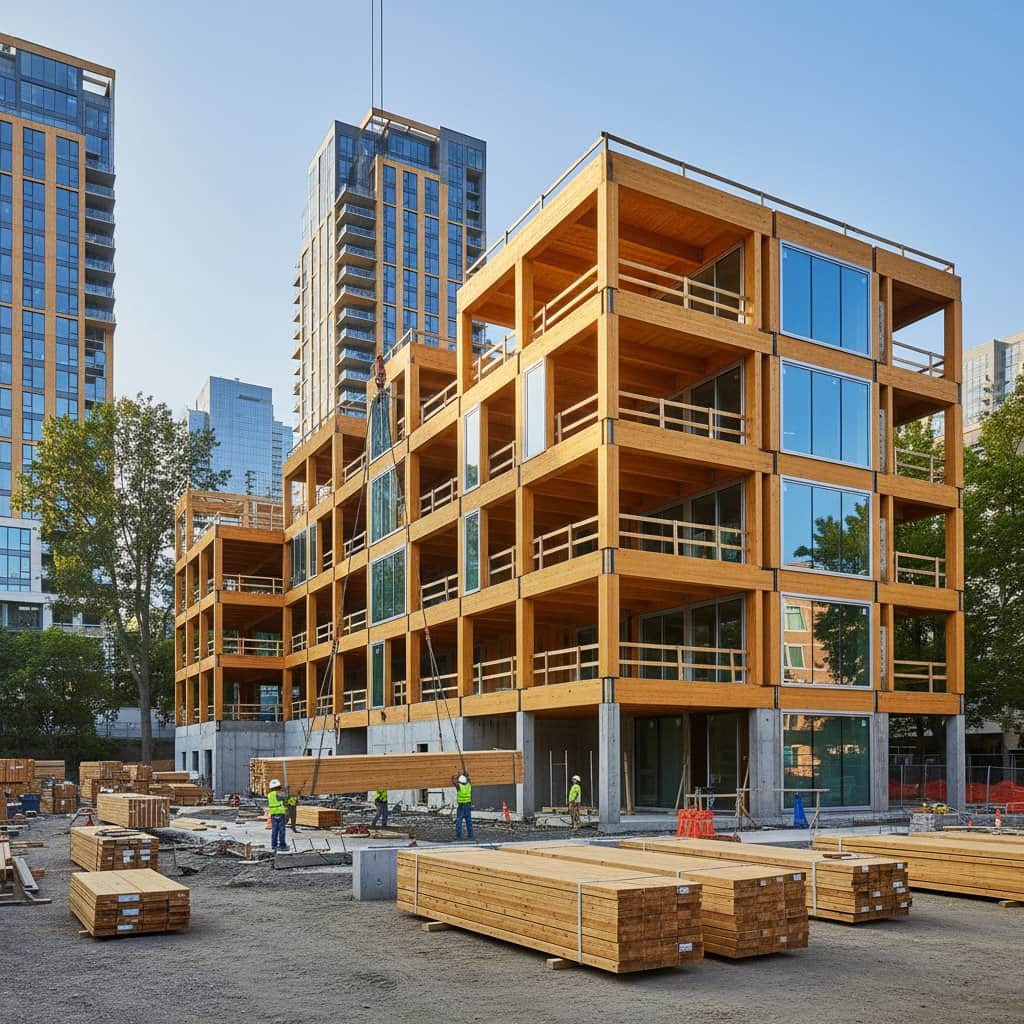
Mass timber reshapes home construction in 2025 through its integration of durability, environmental benefits, and aesthetic appeal. Engineered wood panels enable rapid, low-waste assembly that delivers inviting, nature-inspired interiors. This method provides a contemporary approach to sustainable, harmonious living.
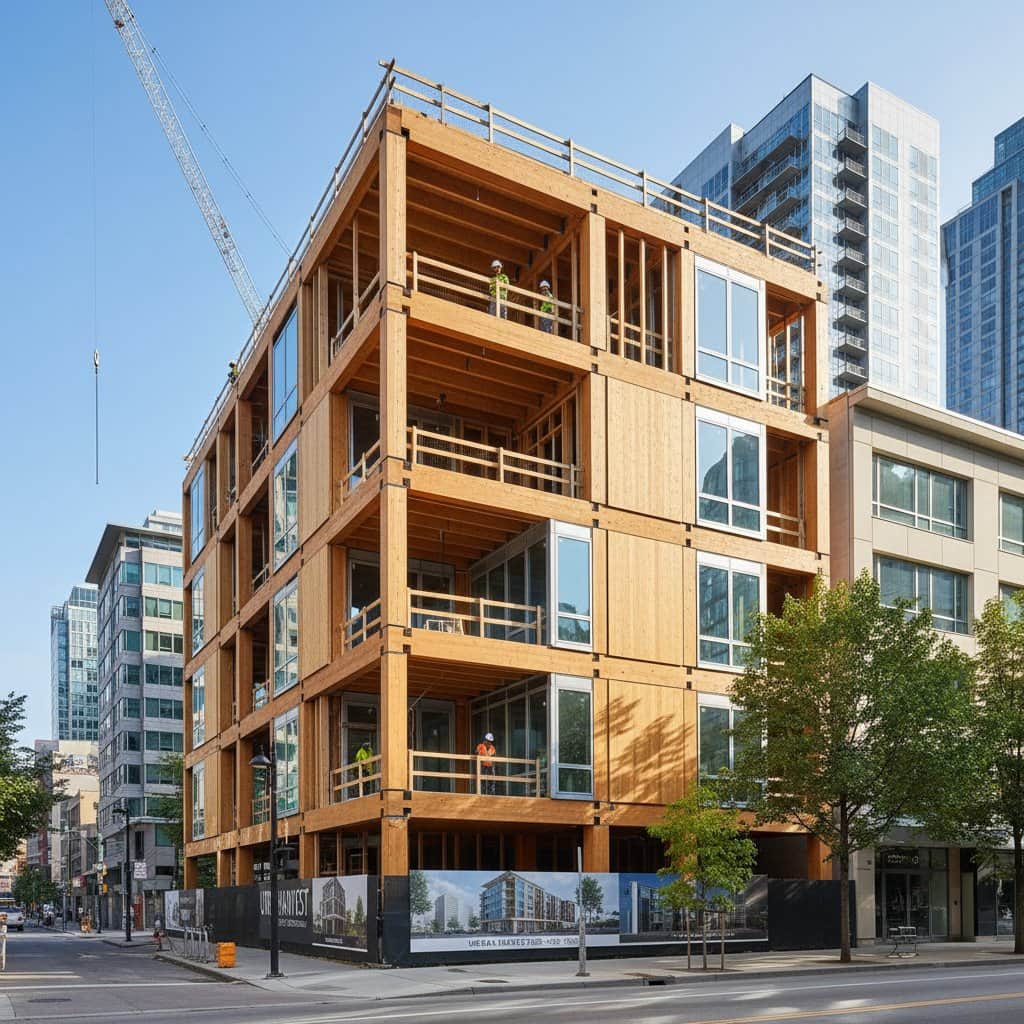
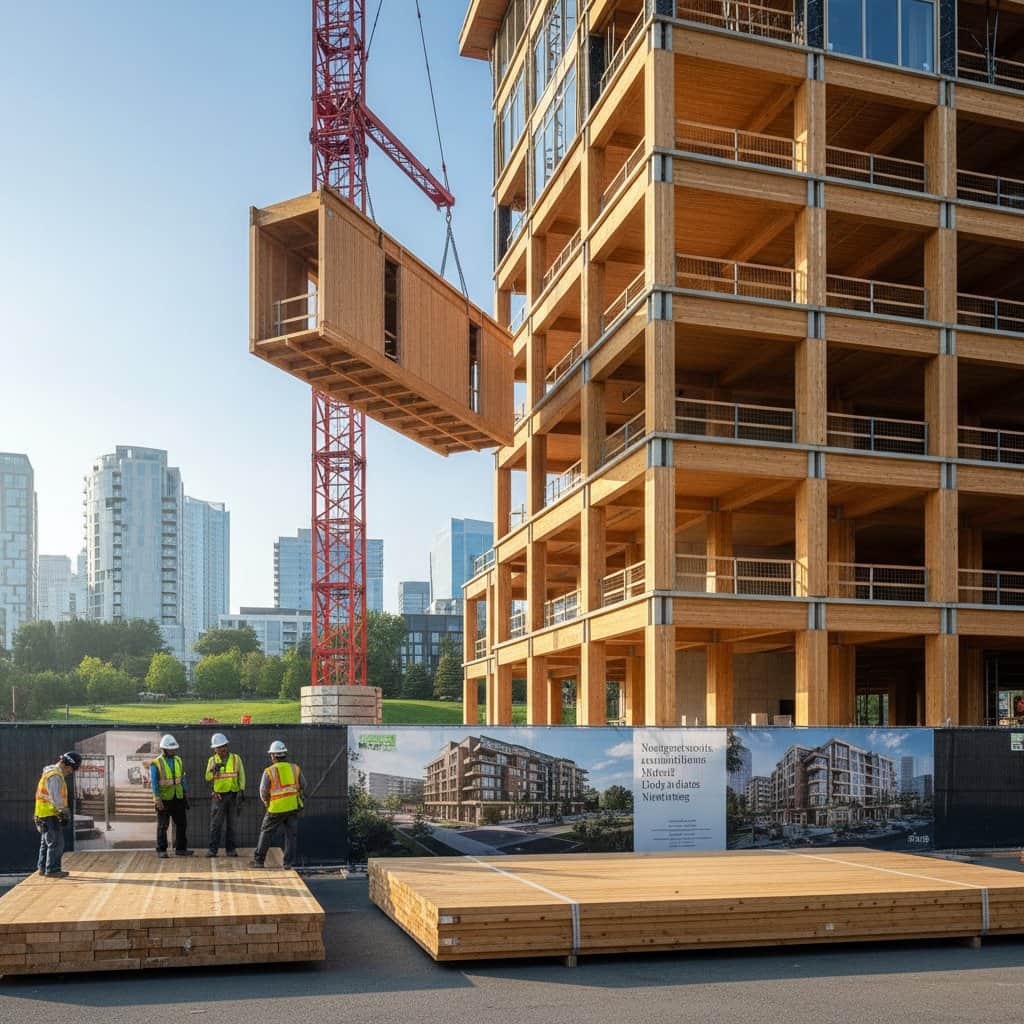
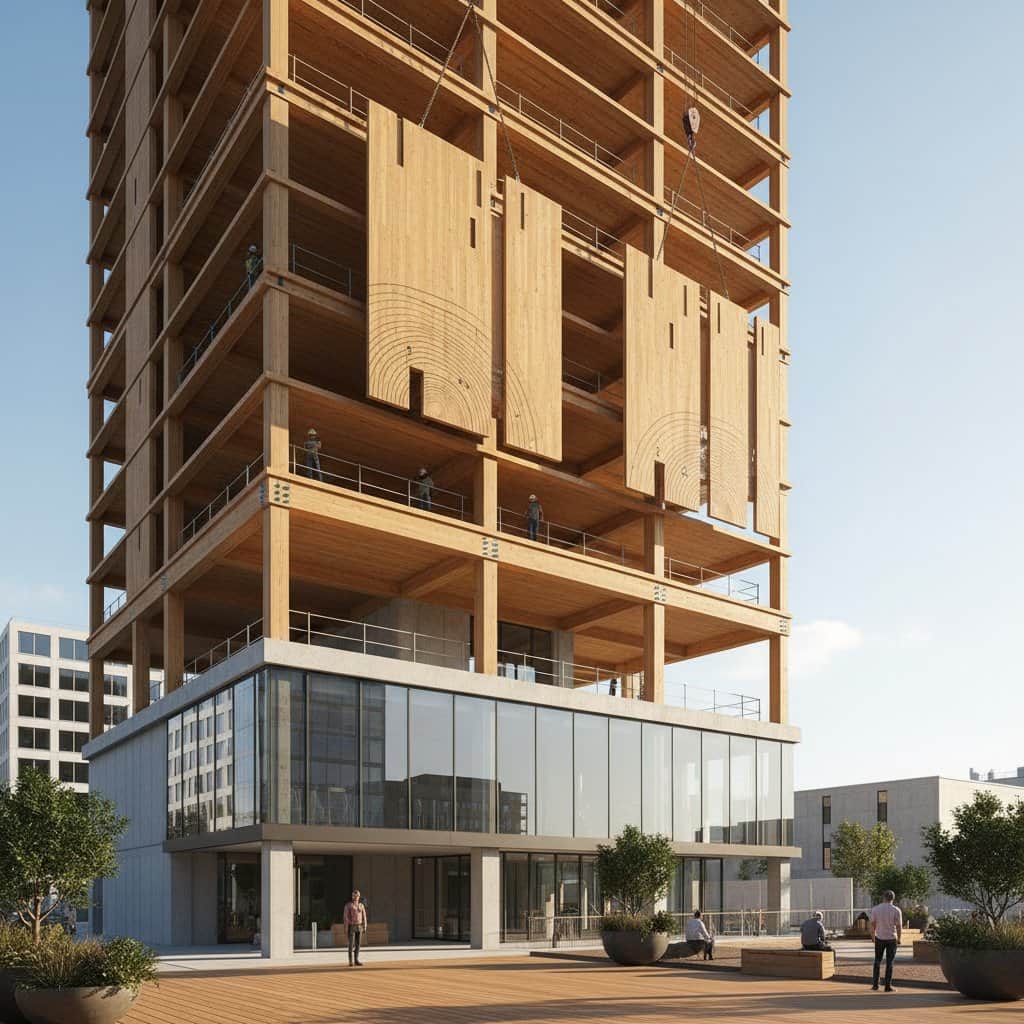
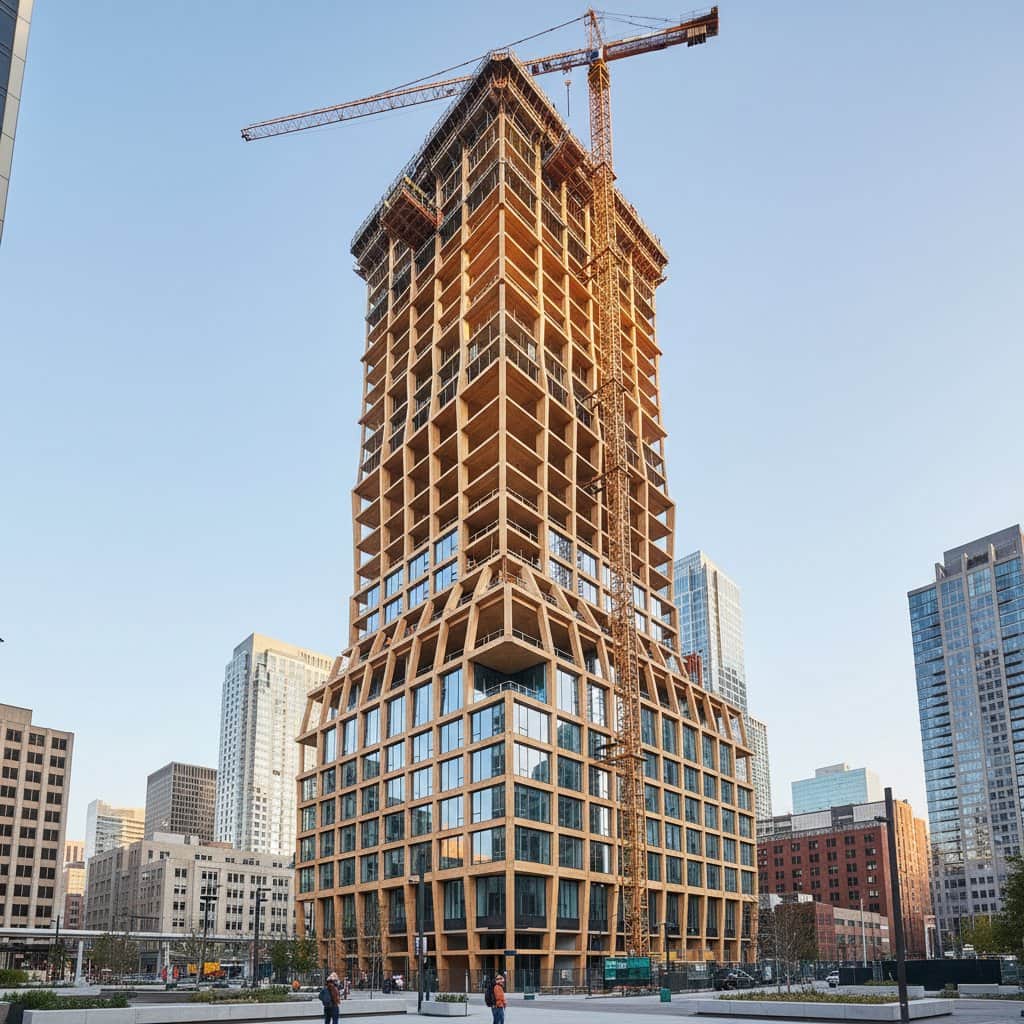
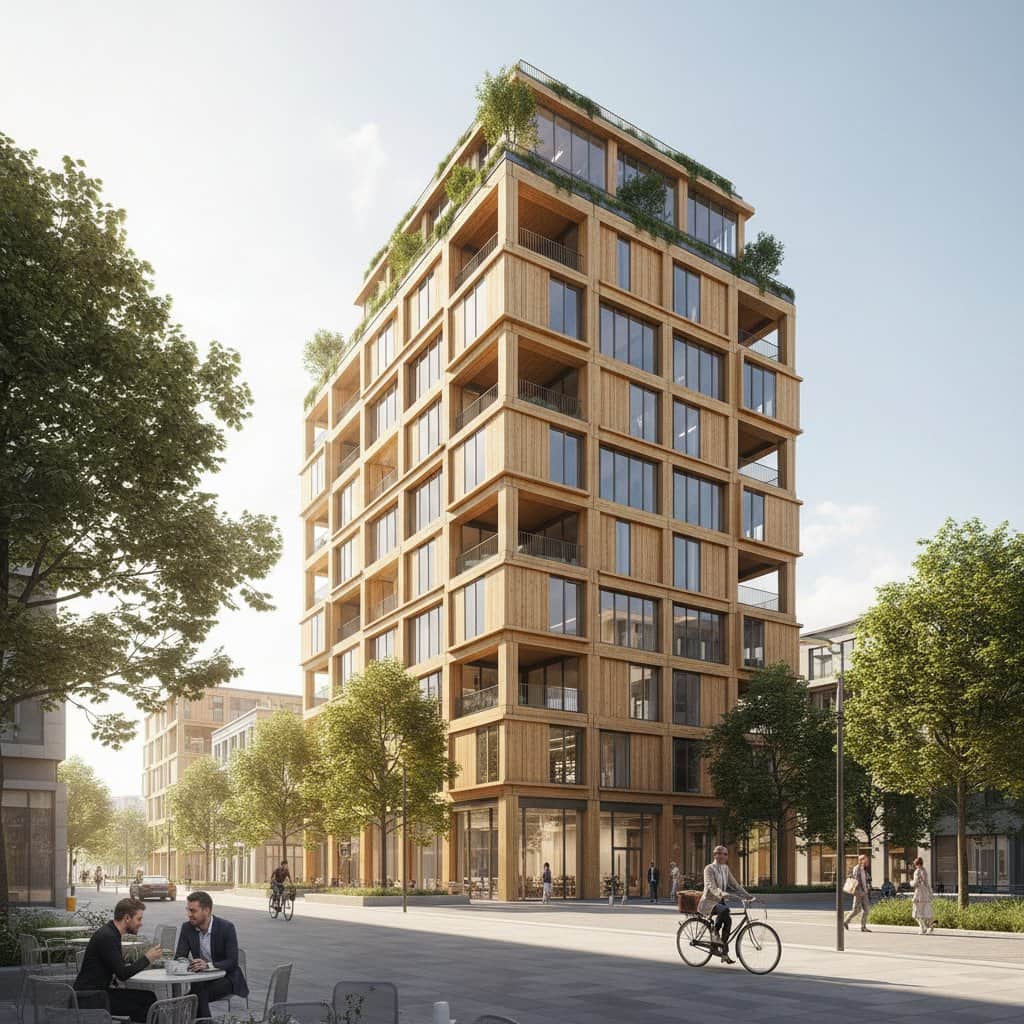
Cross-laminated timber (CLT) transforms skyscraper construction through its exceptional strength, environmental sustainability, and aesthetic appeal. Lighter than concrete while offering superior durability, CLT minimizes carbon emissions, accelerates project timelines, and enhances design possibilities. As urban areas prioritize eco-friendly practices, mass timber represents an intelligent, efficient alternative for contemporary architecture.
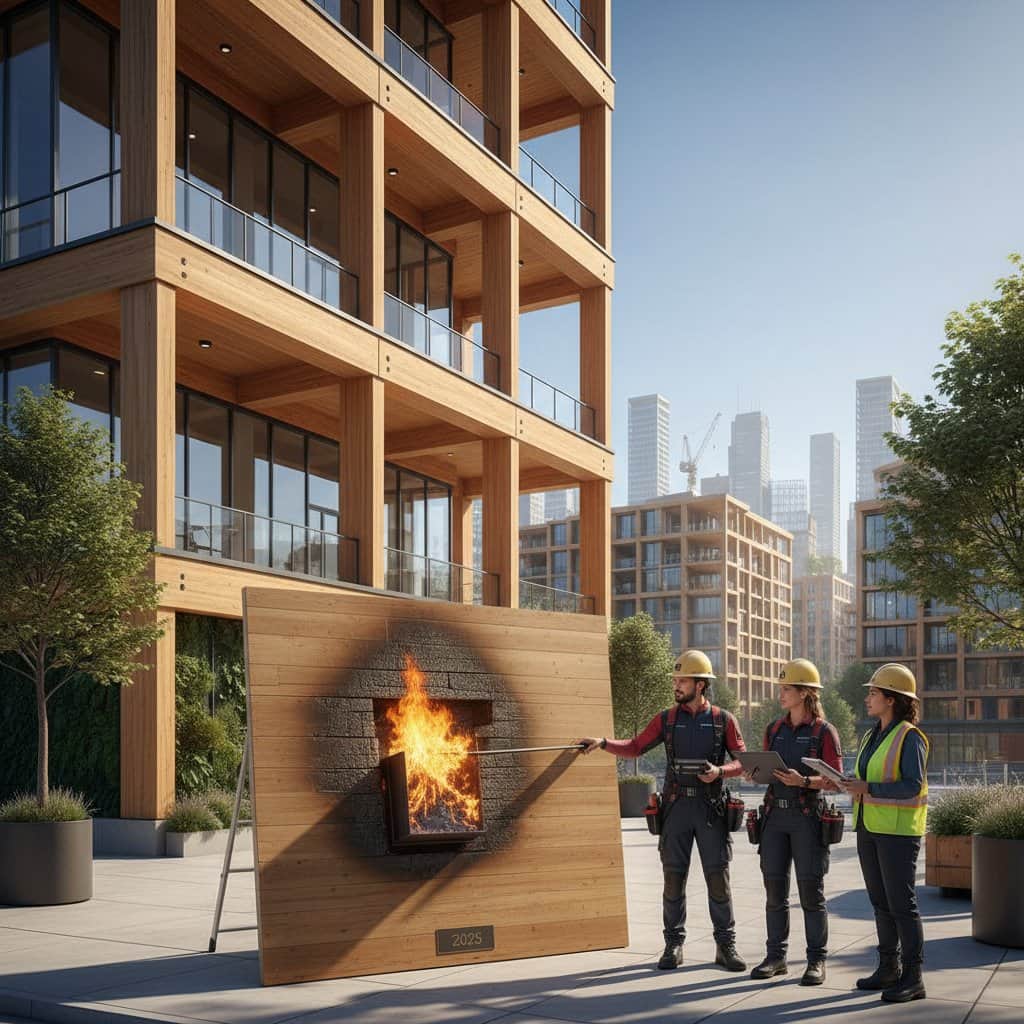
Mass timber transforms construction through engineered wood products that deliver strength, sustainability, and enhanced fire resistance. Dense panels char externally to shield the interior structure, ensuring compliance with safety standards while providing aesthetic warmth, efficient installation, and a reduced carbon footprint. Learn how this innovative material competes with steel and concrete in performance and design appeal.
Construct energy-efficient homes with insulated concrete forms (ICFs). These innovative systems combine foam insulation and concrete to decrease energy usage by as much as 70 percent, while improving indoor comfort and qualifying for substantial tax incentives. ICF structures offer superior strength, soundproofing, and longevity, providing returns on investment through reduced utility bills and maintenance costs.
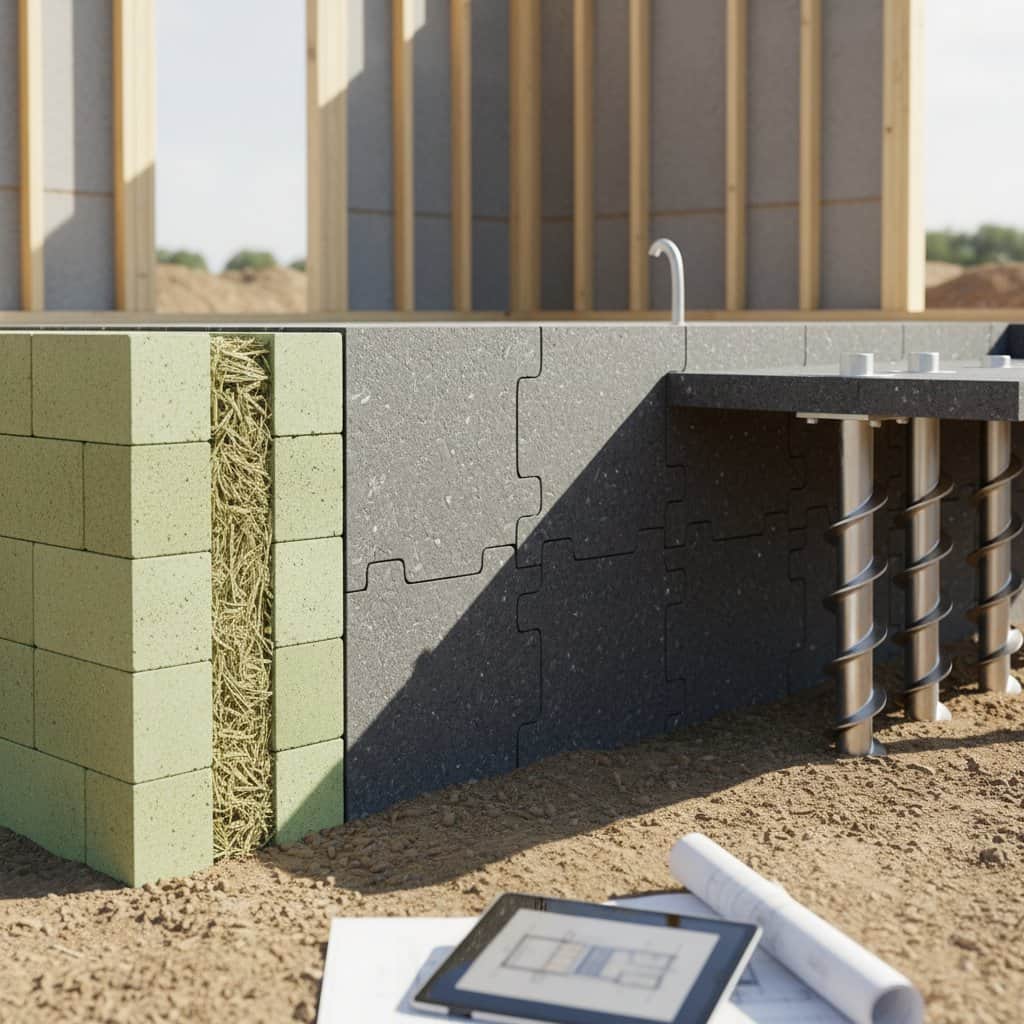
Hempcrete and mycelium emerge as vital alternatives to concrete, providing carbon-sequestering, breathable materials that enhance insulation, fire resistance, and biodegradability in modern construction.
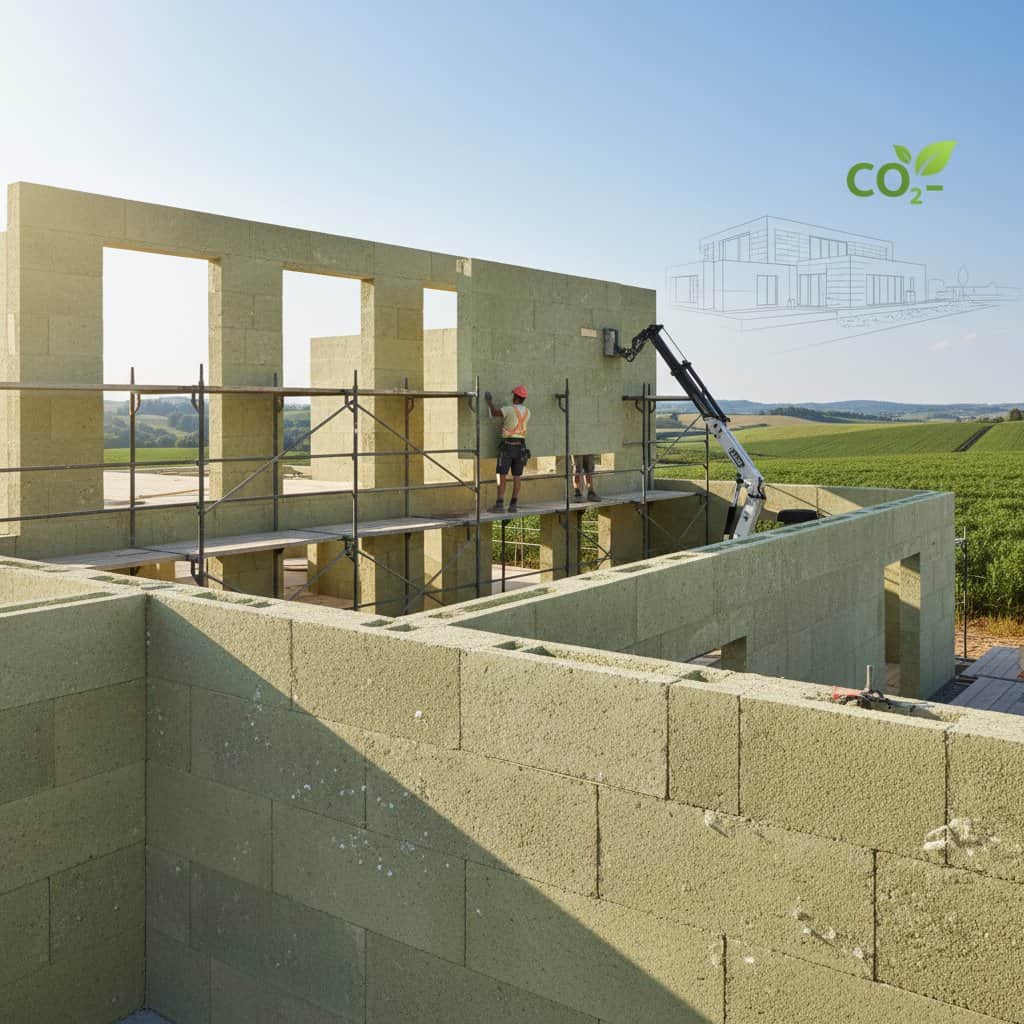
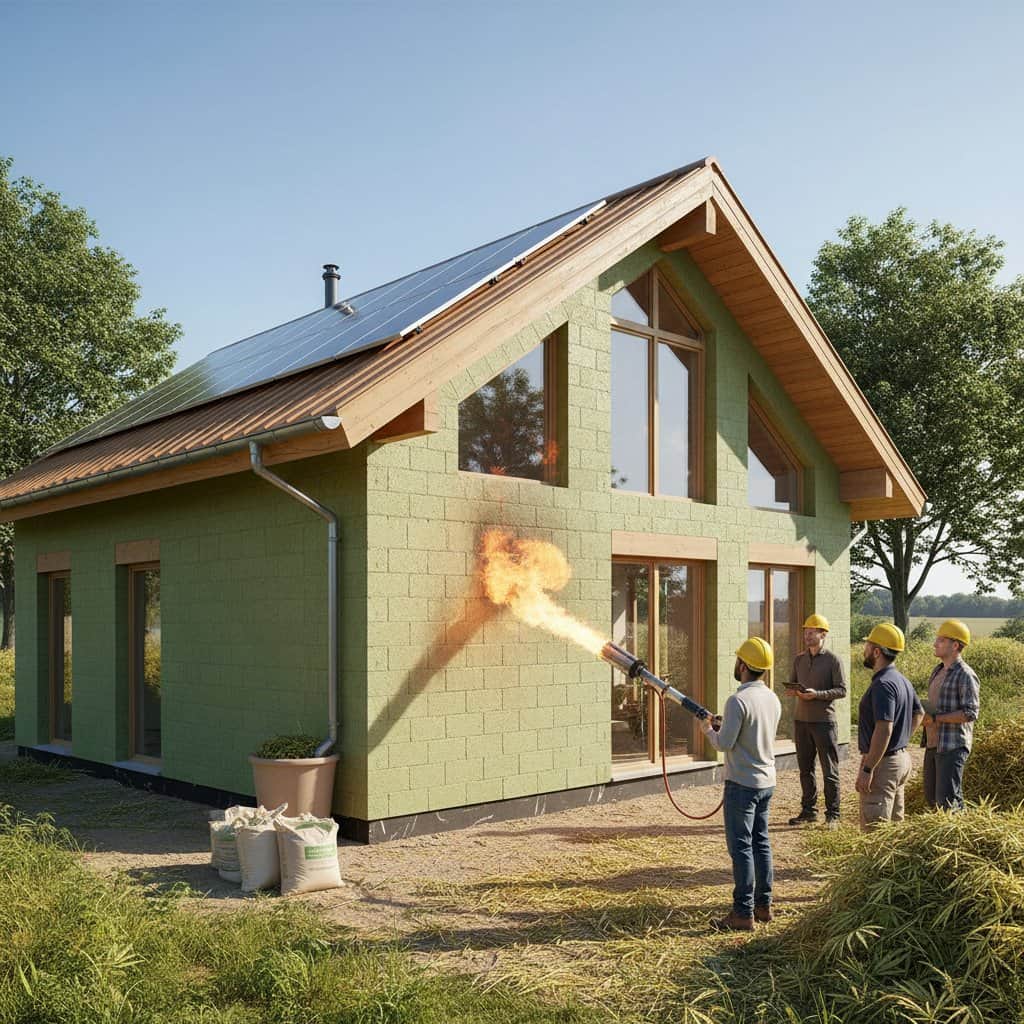
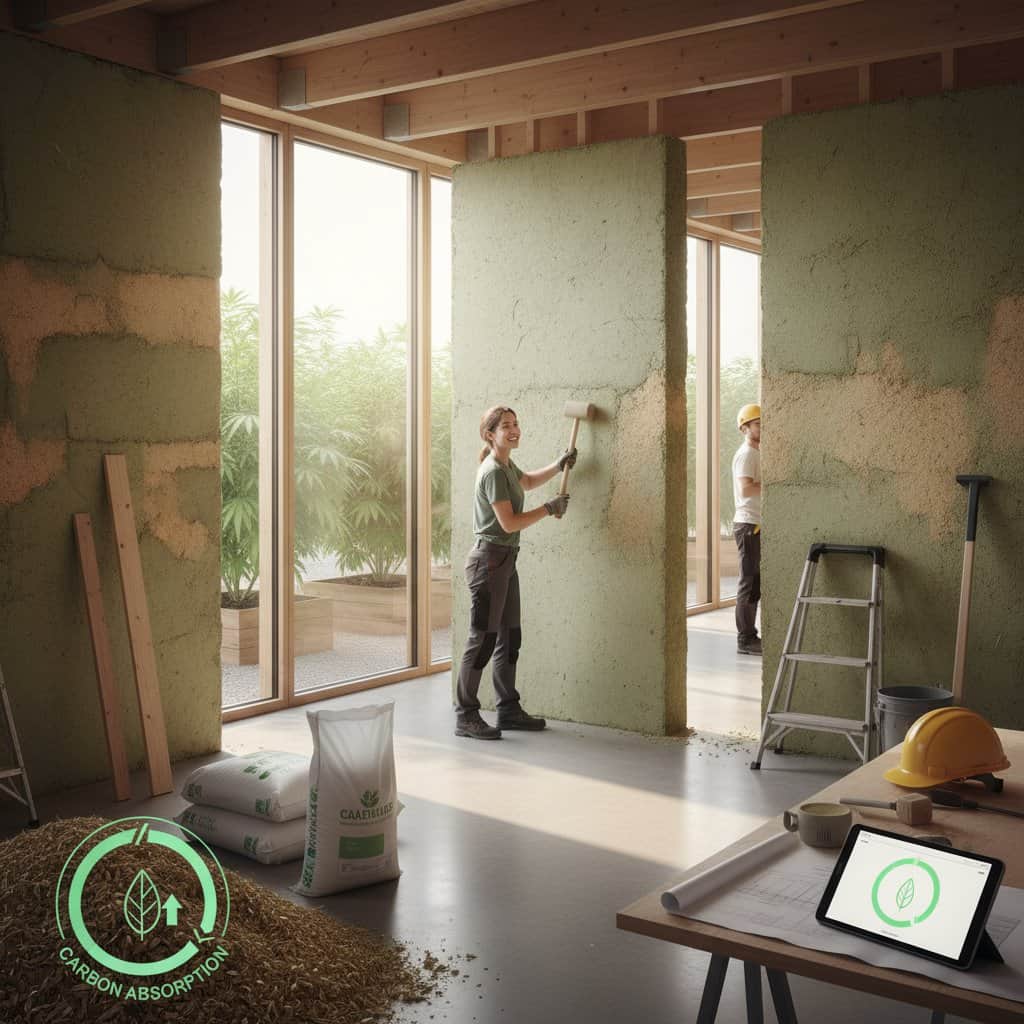
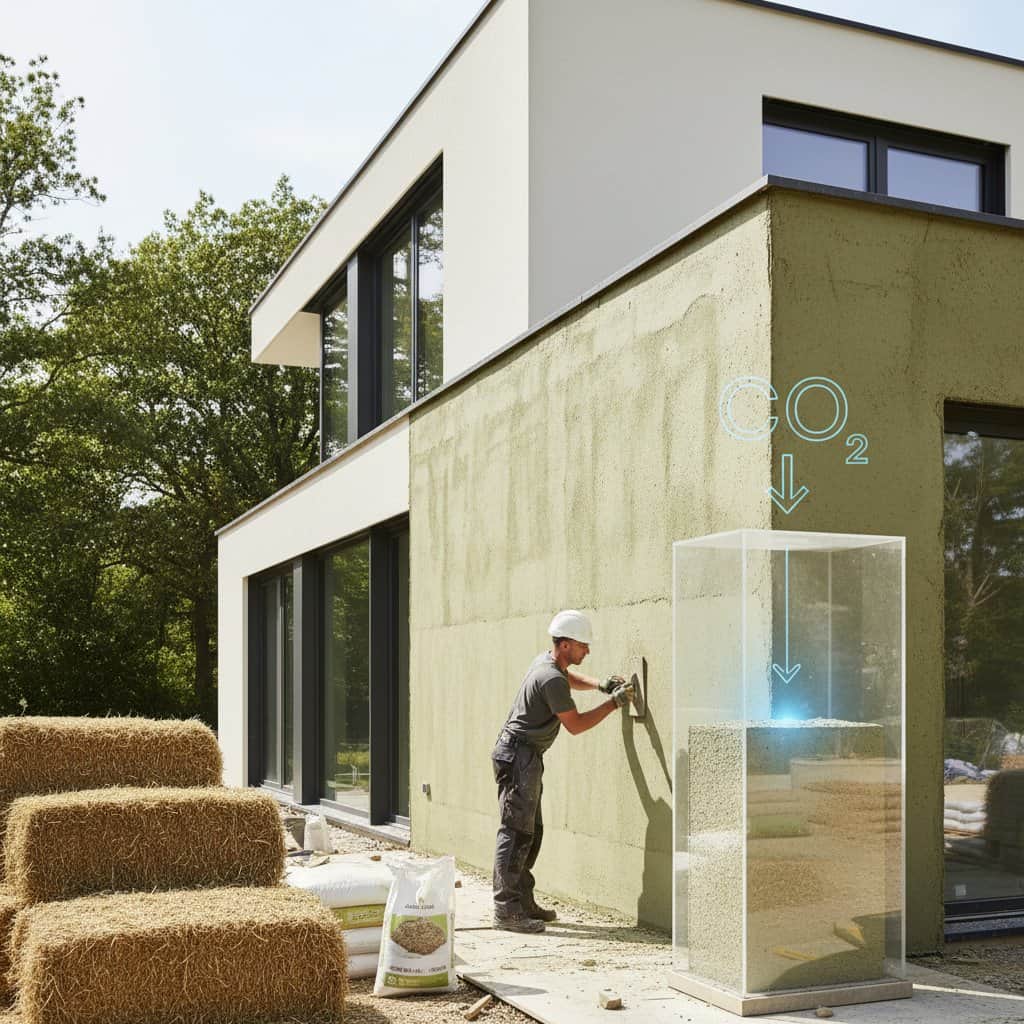
Hempcrete, composed of hemp hurds, lime, and water, revolutionizes sustainable building. With official approval in select regions, it delivers breathable, carbon-negative walls that naturally manage temperature and humidity. Lightweight, fire-resistant, and aesthetically versatile, hempcrete integrates design excellence with environmental responsibility, enabling builders and homeowners to craft inviting, eco-conscious environments.
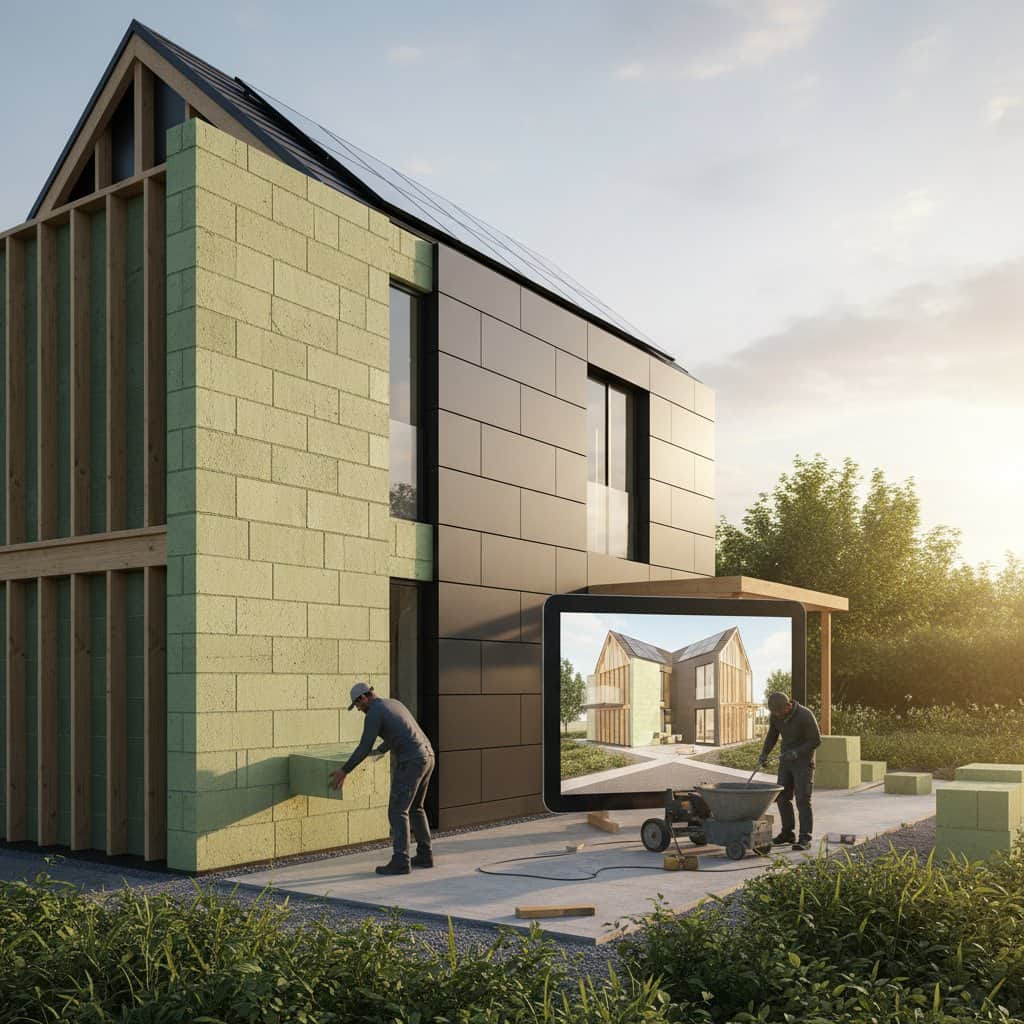
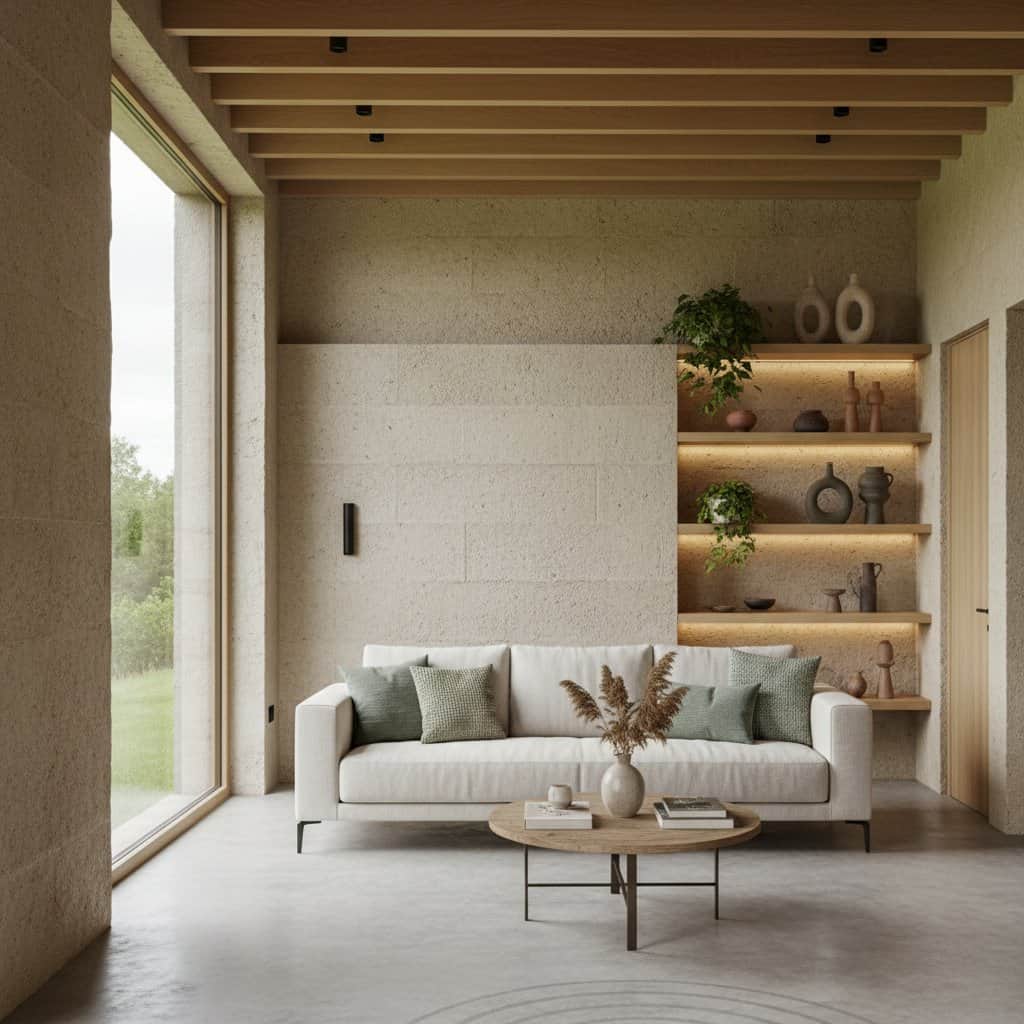
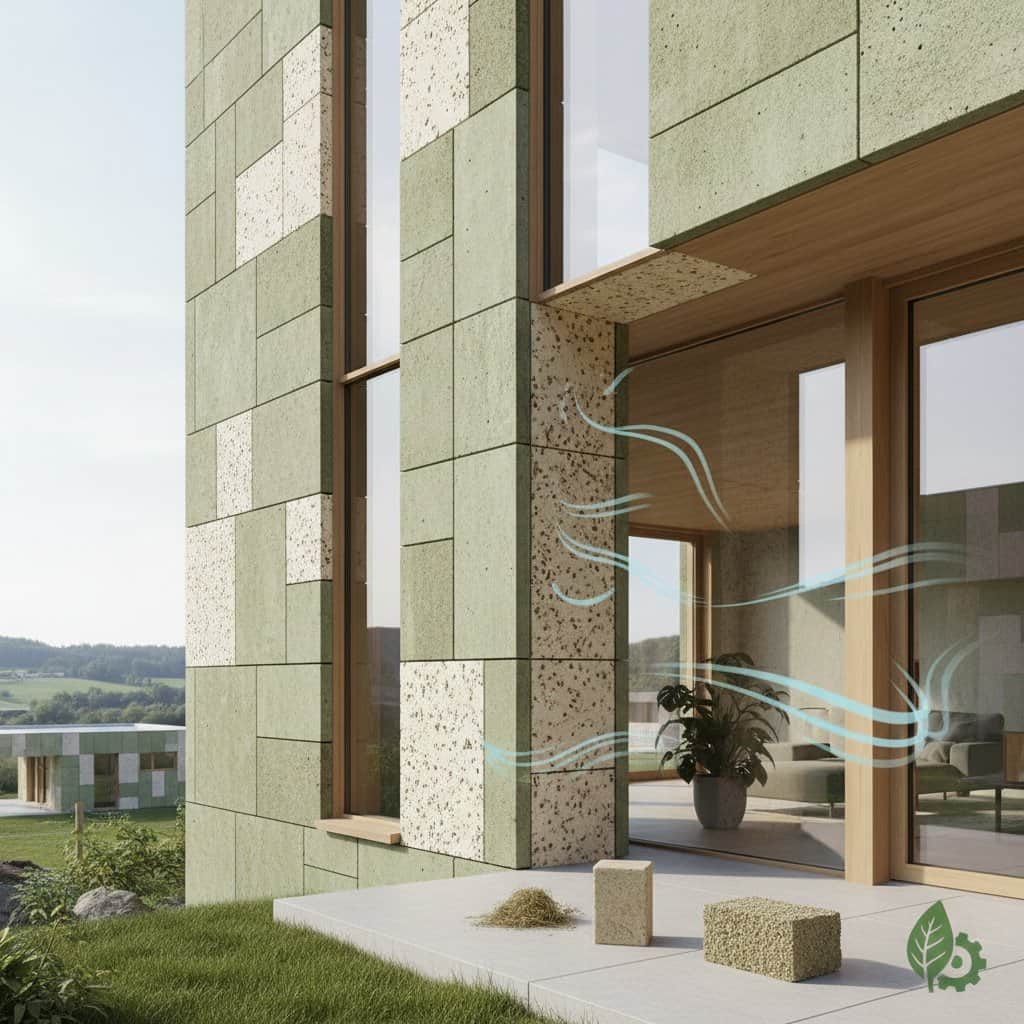
Hempcrete and mycelium redefine eco-building by creating breathable, insulating structures that harmonize with nature. Hempcrete delivers robust, climate-adaptive walls, and mycelium provides versatile, decomposable elements. These materials blend durability with beauty, advancing sustainable living practices.
Approval of hempcrete permits in 12 states accelerates sustainable construction trends. This innovative material delivers carbon sequestration, natural insulation, and lasting comfort, backed by improving regulations and supply networks for broader accessibility.
Hempcrete and mycelium revolutionize sustainable architecture with natural, breathable materials that sequester carbon and enhance indoor health. These innovations transition from experimental uses to essential components in energy-efficient, biodegradable building designs.
Hempcrete transforms sustainable construction through carbon-negative walls that regulate temperature, improve air quality, and endure for decades. Builders and homeowners adopt its natural durability and efficiency, paving the way for mainstream regenerative architecture in 2025.
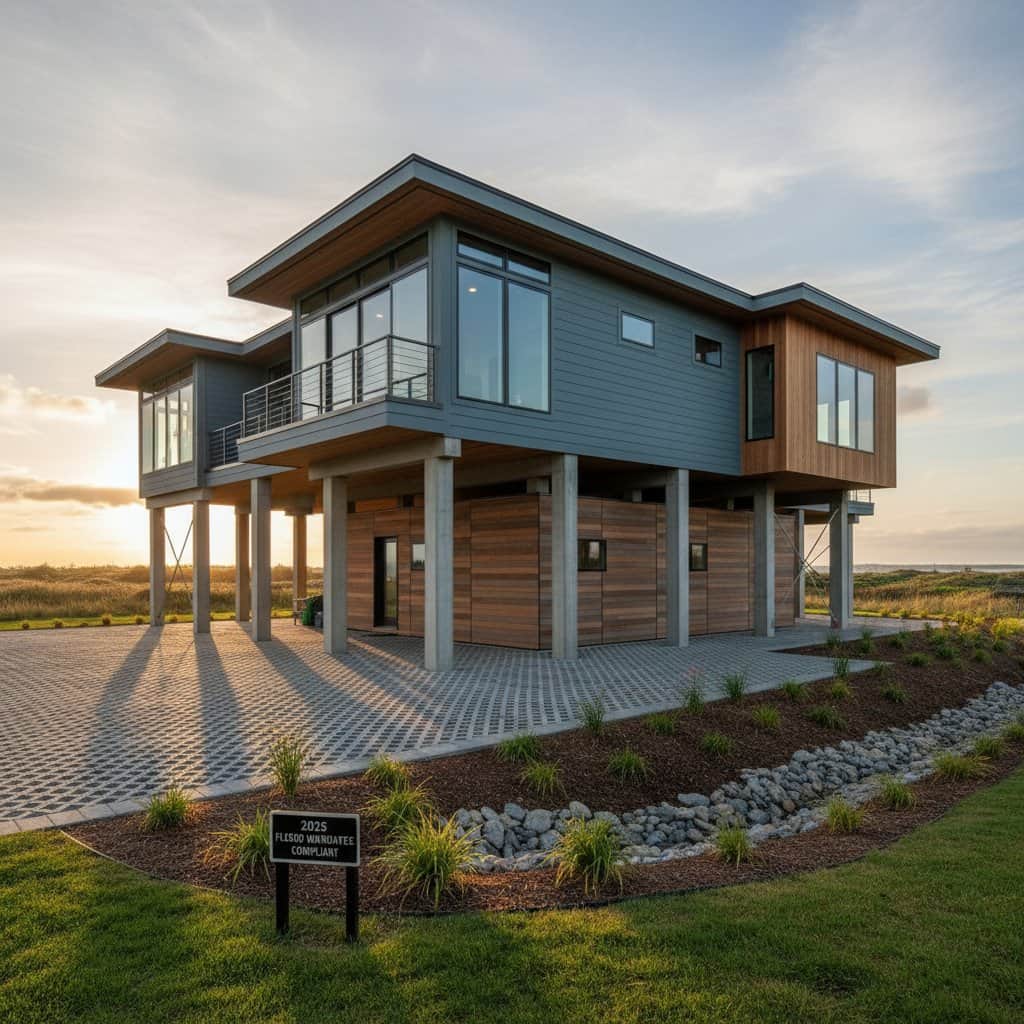
Fortify your home against the threats of wildfires and floods through strategic planning and advanced materials. Elevated foundations, fire-resistant exteriors, and efficient drainage systems form the backbone of resilience. Discover practical methods to integrate safety with comfort and style for a home that endures environmental challenges.
Mass timber high-rises gain 2025 fire code approval, validating wood's safety and eco-friendliness. CLT panels provide steel-like strength, char for fire protection, and lower emissions, fostering sustainable, inviting urban spaces.
Mass timber transforms construction with durability, eco-friendliness, and robust fire resistance. CLT panels char externally to shield their core, matching steel's performance. Quick assembly, carbon sequestration, and inviting aesthetics position it as a top choice for 2025's secure, stylish projects.
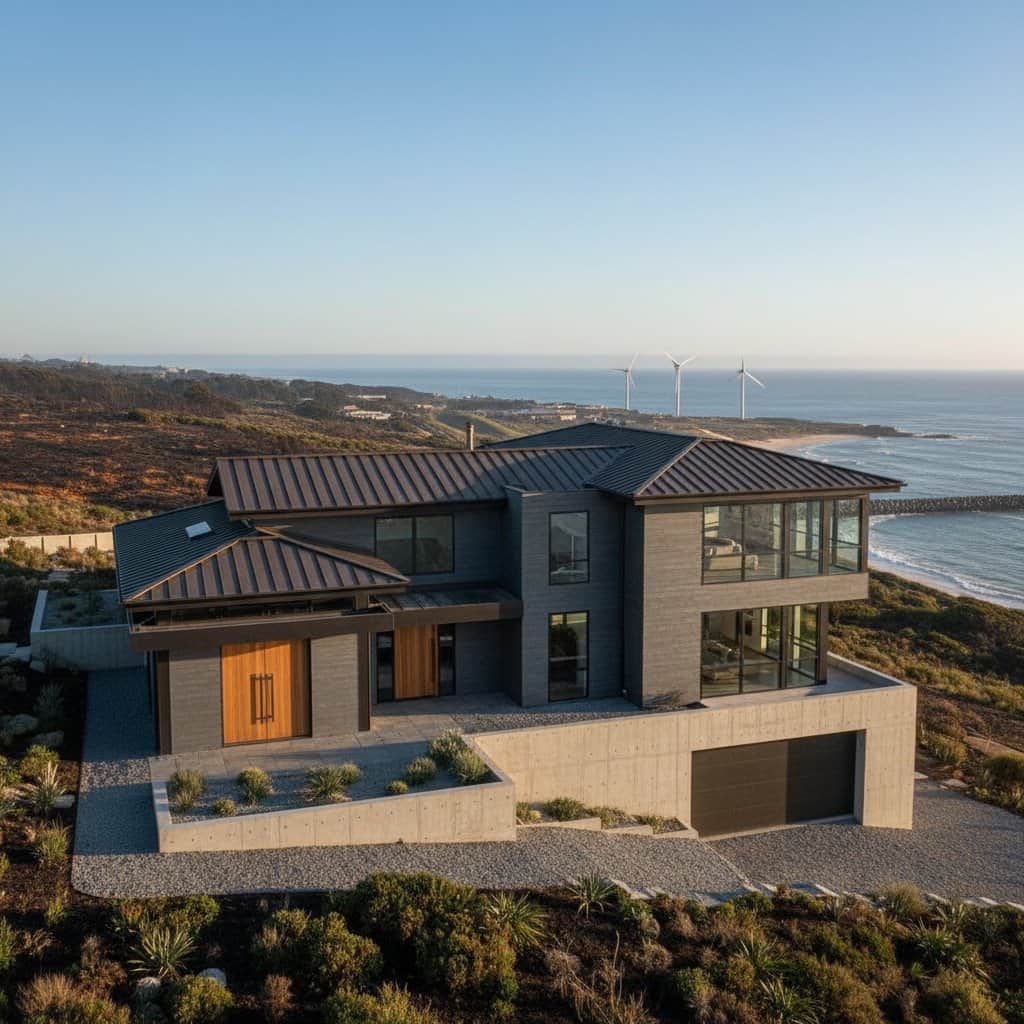
Starting in 2025, 12 states mandate fireproof cladding for homes, influencing design, safety, and budgets. Options like fiber cement and treated timber enable builders and homeowners to integrate style with fire resistance. This guide covers compliant material selection, cost planning, and code navigation to safeguard properties from wildfires.
Hempcrete and mycelium emerge as groundbreaking alternatives to concrete and drywall in sustainable construction. These materials provide breathable structures, superior insulation, and minimal environmental impact. With decreasing costs and increasing availability, they transition from experimental options to practical choices for builders seeking durable, green solutions.
Effective 2025, twelve states enforce fire-resistant cladding for new constructions and significant renovations to mitigate wildfire threats. Although initial expenses rise, benefits include enhanced resilience, favorable insurance rates, and greater security. This guide details qualifying materials, budgeting approaches, and strategies to prevent compliance issues prior to project initiation.
Regulatory updates in 15 states now permit taller mass timber buildings, driving innovation in sustainable architecture. Cross-laminated timber (CLT) delivers structural integrity, environmental benefits, and aesthetic appeal. This shift influences construction timelines, costs, and community development, opening doors for residential and commercial projects alike.
Mass timber construction reduces build times by up to 40 percent with precision prefabrication and swift on-site assembly. Lighter weight, reduced noise, and minimal delays create safer, more efficient projects. Professionals save resources while delivering durable, eco-friendly buildings that innovate modern architecture.
Hempcrete, a carbon-negative mixture of hemp, lime, and water, has received approval in 12 states as a viable alternative to traditional concrete. This lightweight, breathable material enhances energy efficiency and promotes healthier living spaces. Builders value its durability, low maintenance, and positive environmental impact, marking a significant advancement in green building practices across the nation.
© 2026 Multi HB. All rights reserved.