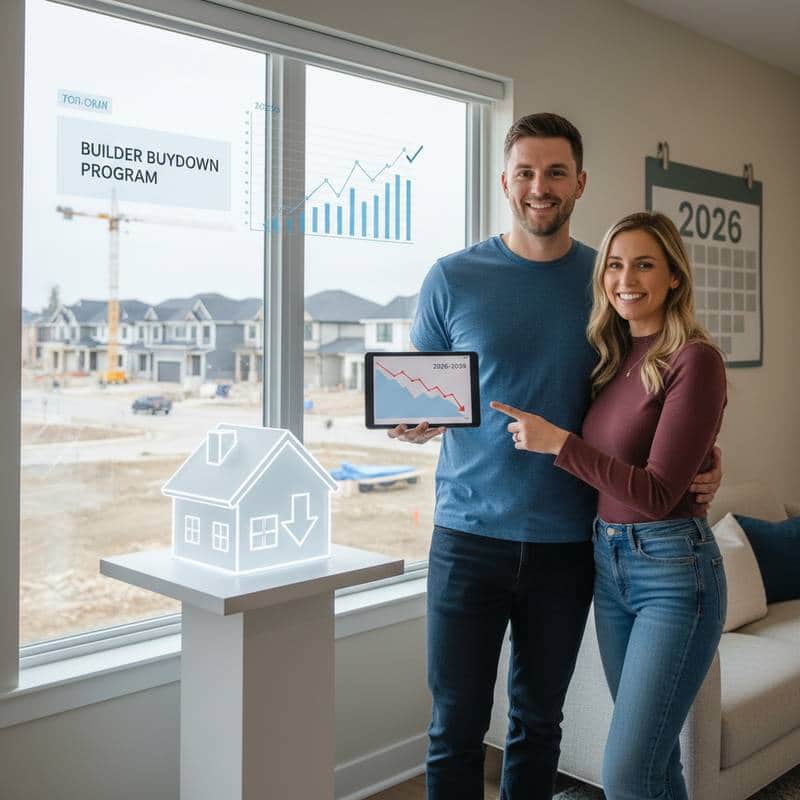
Builder Rate Buydowns Soften the Landing in 2026
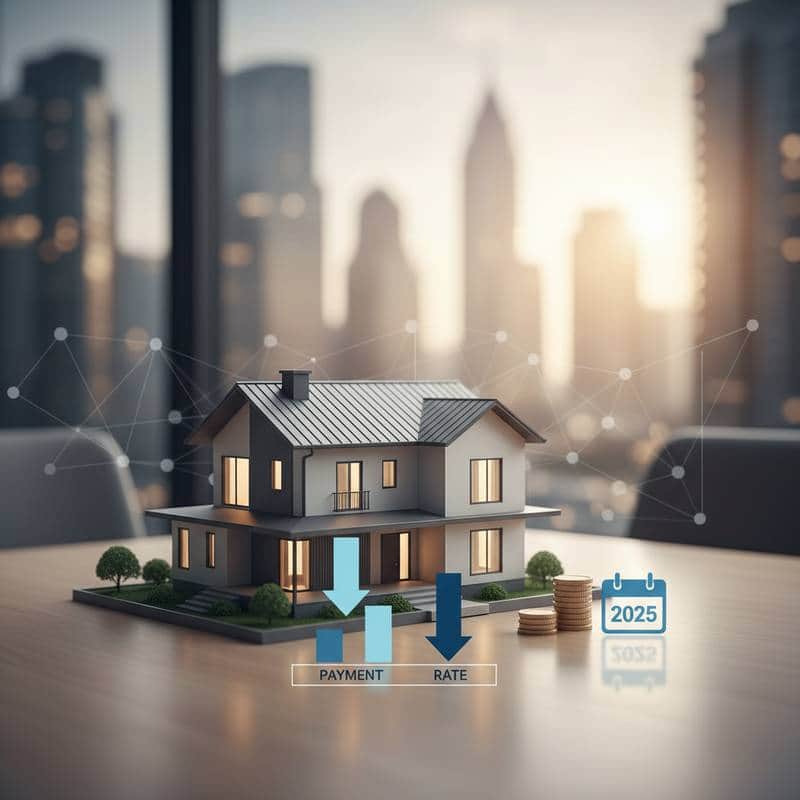
Builder rate buydowns emerge as vital 2026 incentives, providing temporary interest rate reductions that lower early mortgage payments and enhance buyer confidence in new home acquisitions.
Loading...
Showing articles 169 - 180 of 549
Builder rate buydowns emerge as vital 2026 incentives, providing temporary interest rate reductions that lower early mortgage payments and enhance buyer confidence in new home acquisitions.
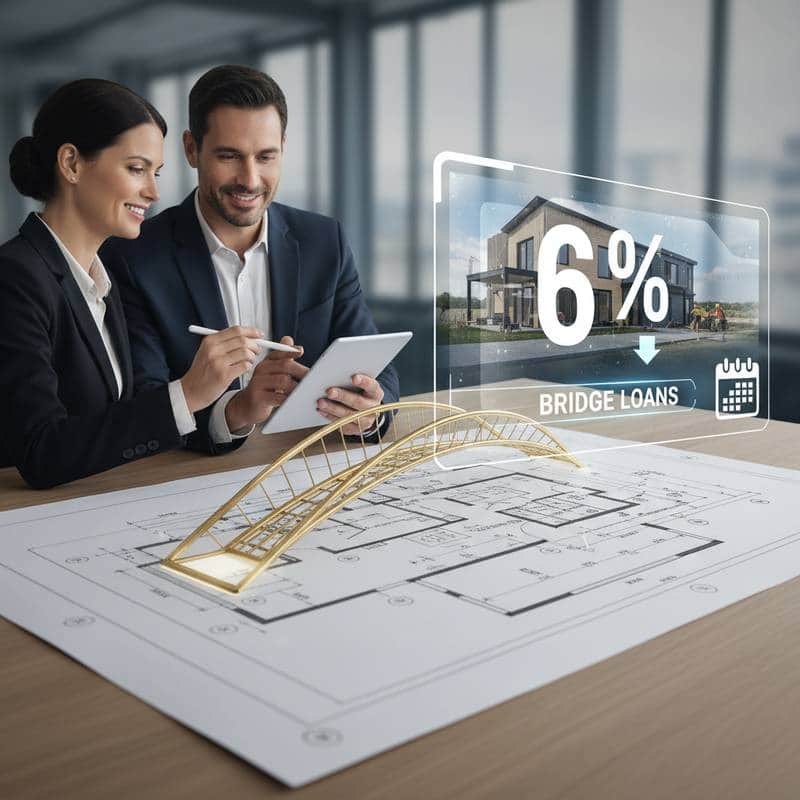
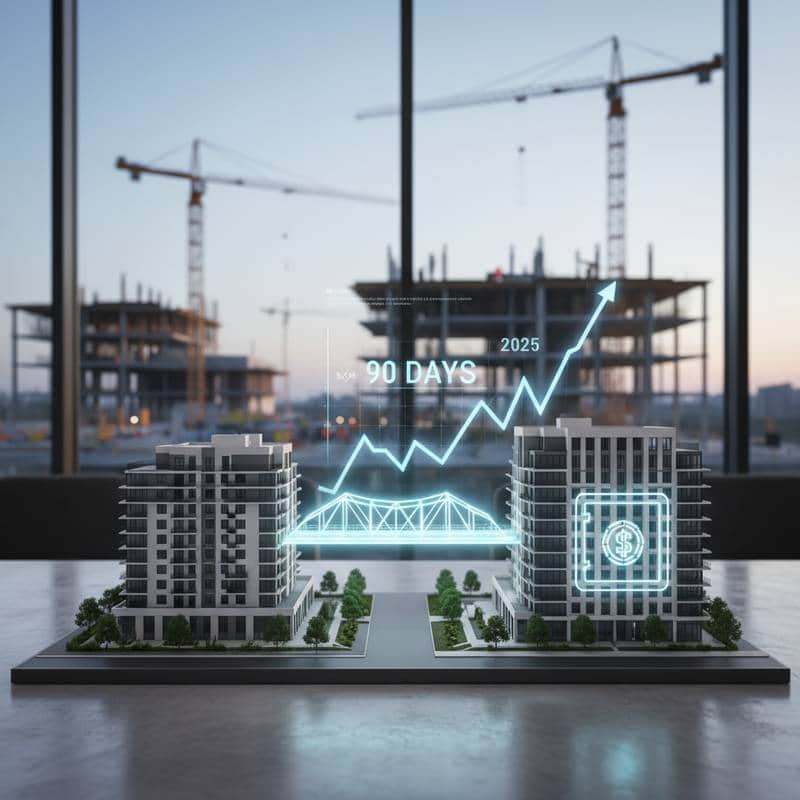
With bridge loan rates at 6 percent, homeowners can initiate construction promptly, bypassing delays from unsold properties and unlocking equity efficiently.
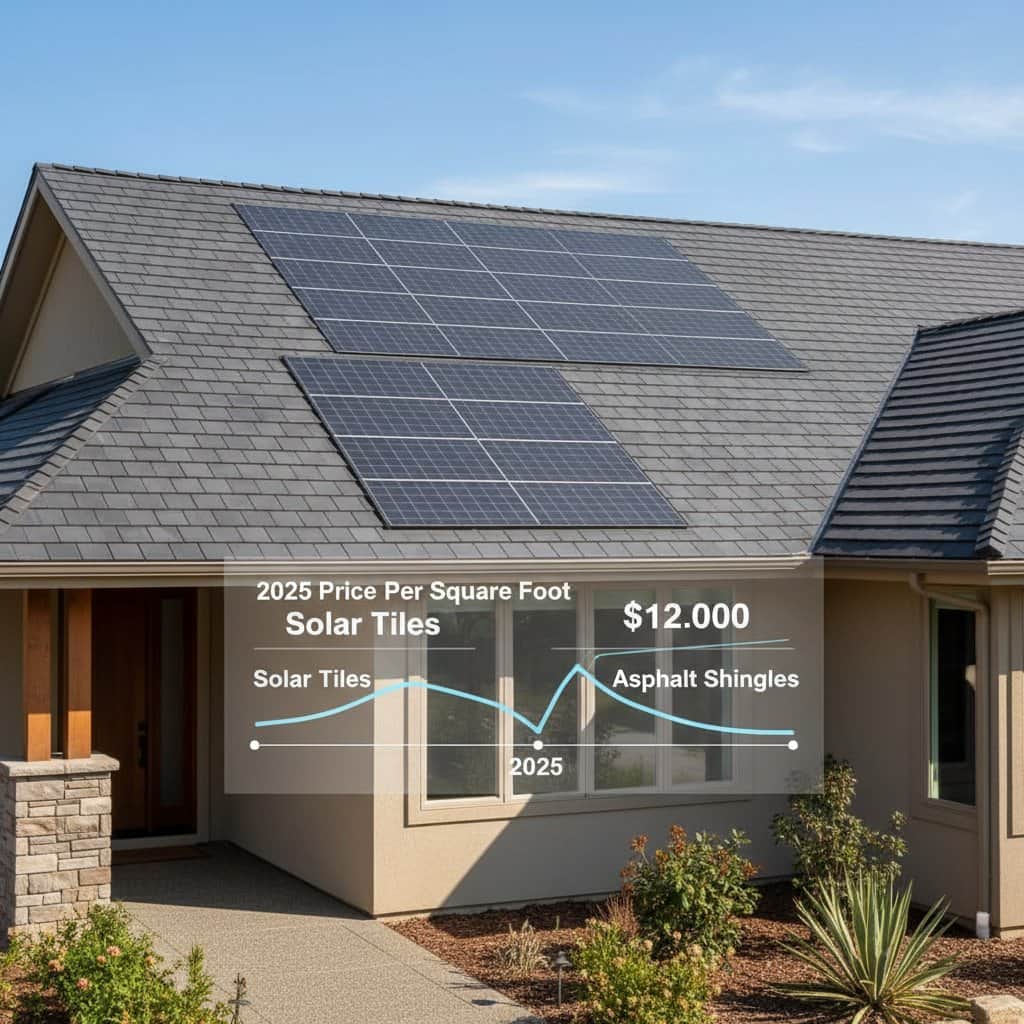
In 2025, solar roof tiles compete directly with shingles on price, combining elegant design, robust performance, and renewable energy generation. Advanced manufacturing and incentives deliver long-term savings and environmental gains, making them an ideal choice for forward-thinking homeowners.
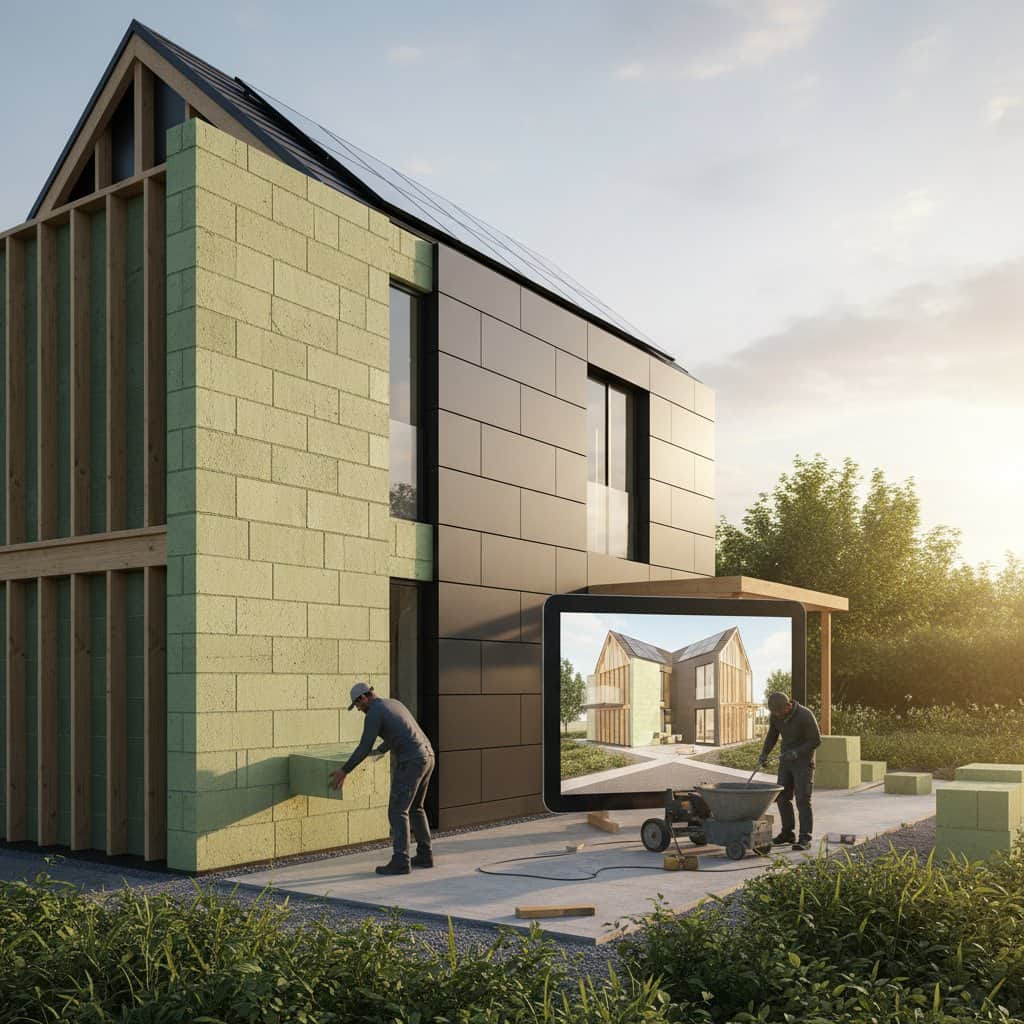
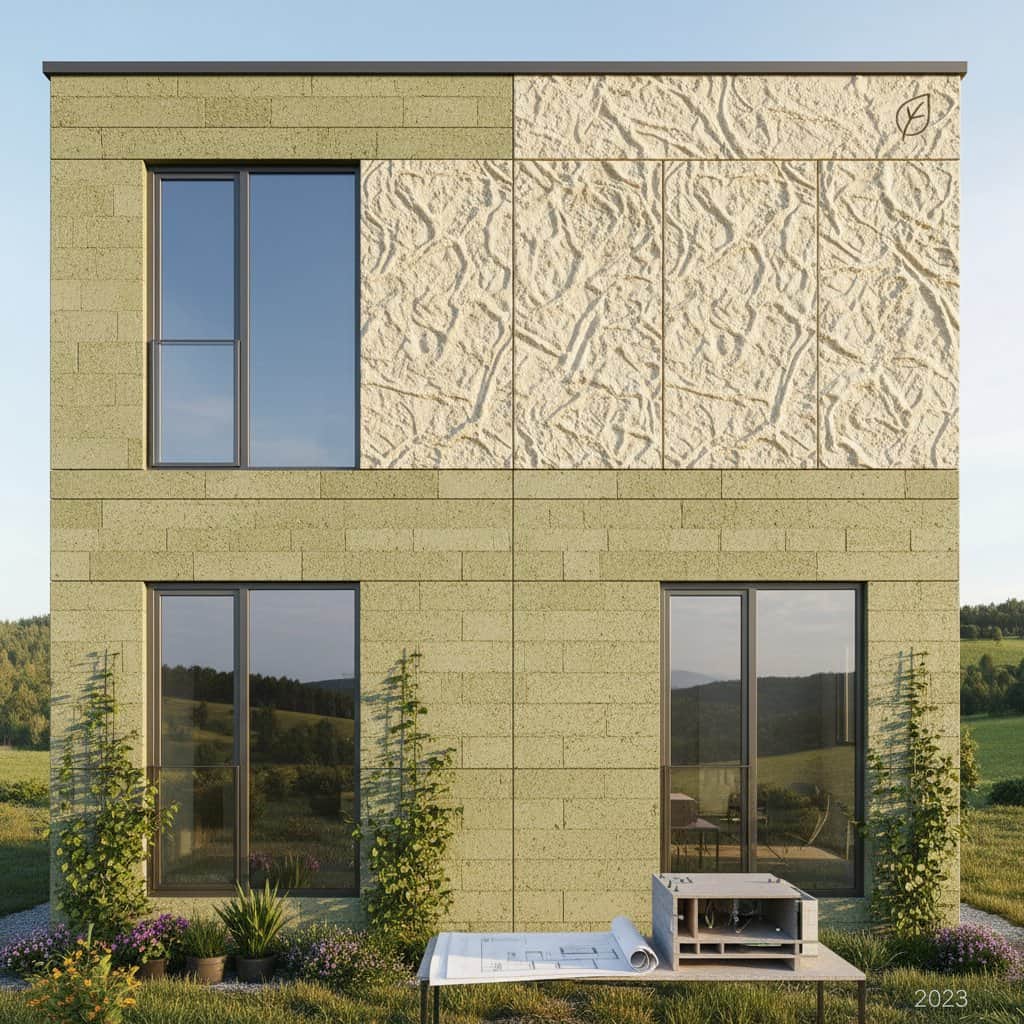
Hempcrete and ashcrete emerge as viable alternatives to traditional concrete, offering environmental benefits and practical advantages. Hempcrete provides carbon-negative insulation and moisture regulation, while ashcrete repurposes industrial waste for durable, low-cost applications. These materials support energy-efficient, resilient buildings that align with modern sustainability goals.
As mortgage rates climb in 2025, builder buydowns gain prominence by reducing buyer interest rates temporarily or permanently. Builders fund these cuts to sustain sales, delivering substantial early savings. Understand the process, expenses involved, and ways to integrate them into your financial plan.
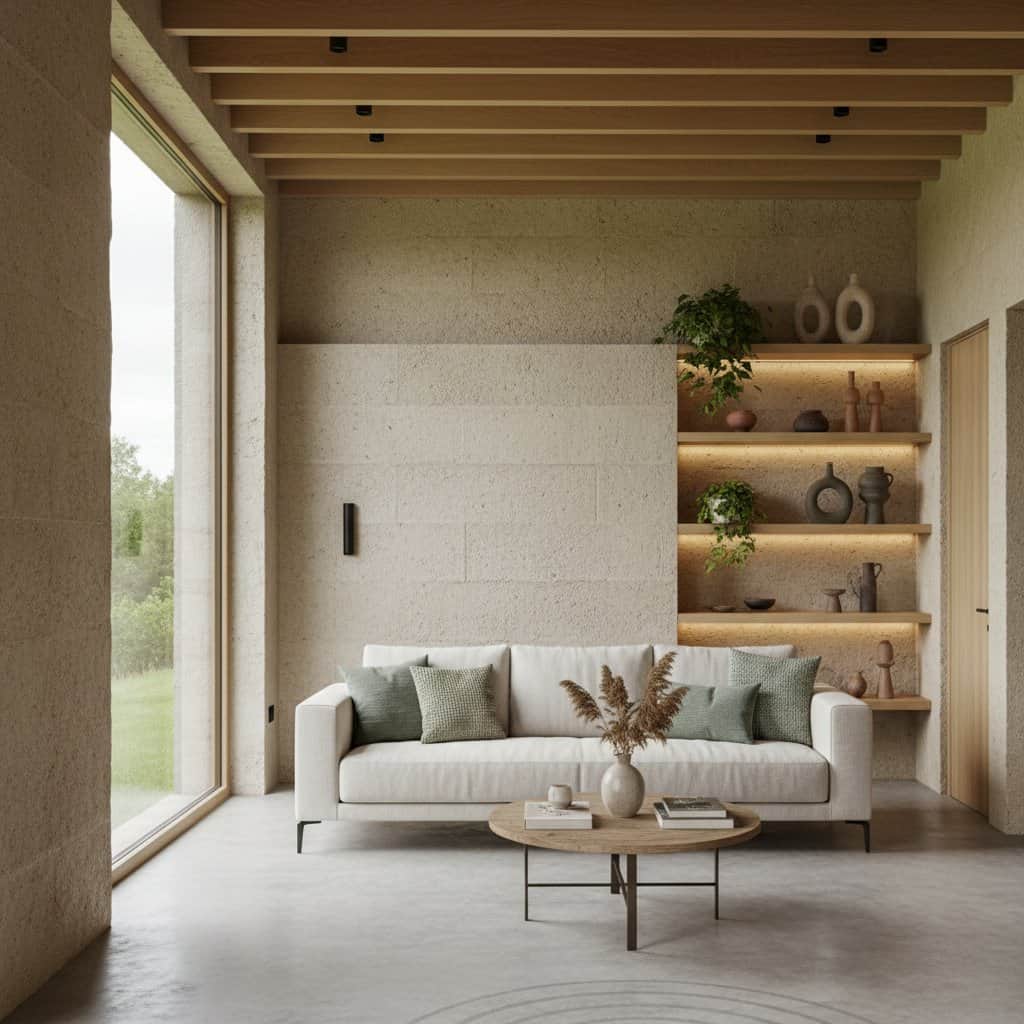
Hempcrete and mycelium revolutionize sustainable construction by providing breathable, renewable insulation that regulates climate, cuts emissions, and enhances durability. These materials create vibrant, efficient homes. Discover planning and building strategies for eco-conscious spaces that promote wellness and environmental harmony.
DSCR loans allow real estate investors to secure financing without W-2s by prioritizing property cash flow over personal income. Ideal for self-employed individuals and short-term rental owners, they provide swift approvals and scalable options. This guide explains DSCR calculations, advantages, pitfalls, and implementation strategies for portfolio growth.
With 2025 insurance mandates in place, homeowners must demonstrate climate resilience to secure coverage and manage premiums. Upgrades like fire-rated roofs and flood barriers safeguard properties, cut expenses, and enhance living conditions. Discover how these prevention-oriented policies transform homeownership by incentivizing durable, adaptive designs.
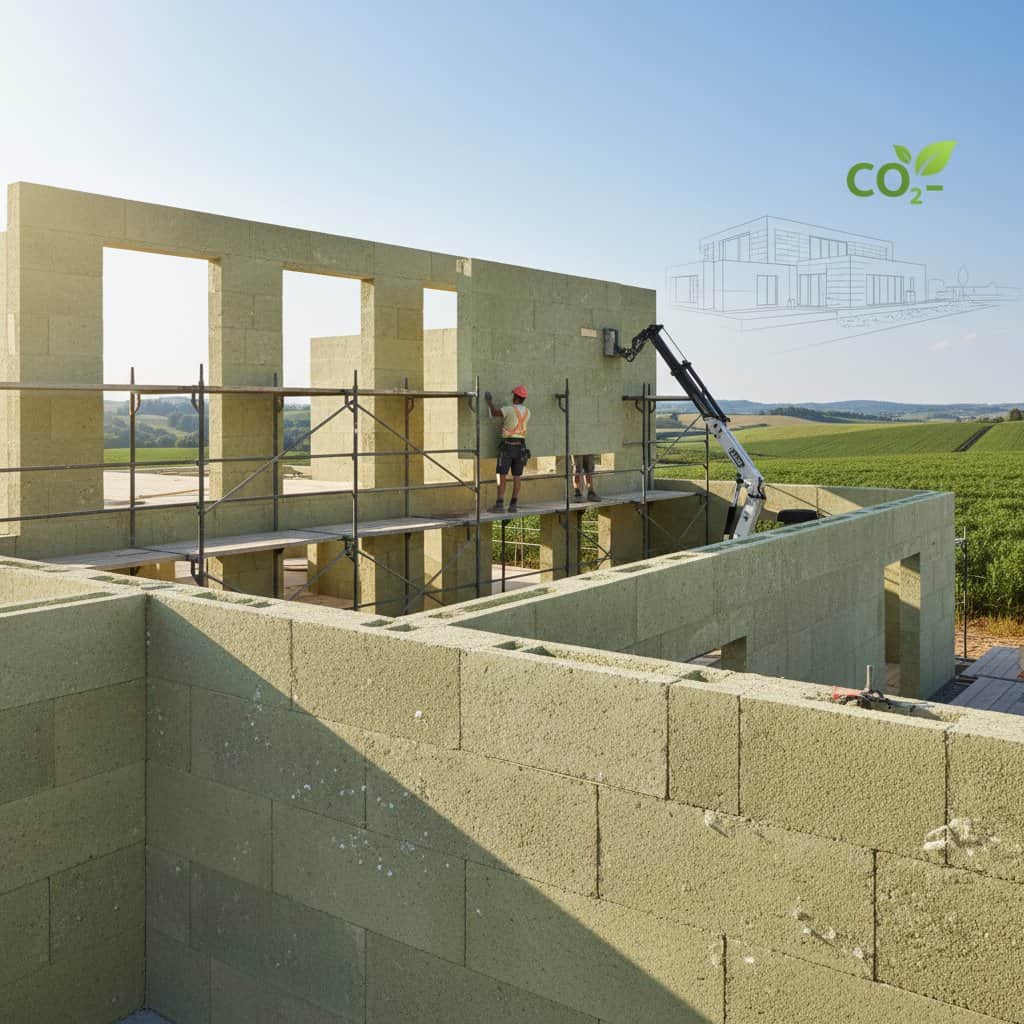
Hempcrete emerges as a game-changer in sustainable building, delivering carbon-negative performance, breathability, and energy savings. Composed of hemp hurds, lime, and water, this material provides long-lasting strength, enhanced comfort, and aesthetic appeal while minimizing emissions and operational expenses. As construction professionals integrate it into complete residential structures, hempcrete sets a new benchmark for environmentally responsible living.
Construction professionals encounter insurance premiums potentially increasing by 85% in 2025 due to heightened claims from extreme weather, escalating material prices, and operational hazards. Industry leaders adapt by revising budgets, enhancing safety protocols, and pursuing cost-effective group insurance options. This trend fosters advanced risk management practices and drives innovation across the sector.
90-day bridge loans offer builders swift short-term financing to sustain project progress amid delays in long-term funding or buyer mortgage approvals. These loans feature rapid processing, adaptable repayment options, and competitive rates to enhance cash flow and avert expensive setbacks, provided borrowers establish precise timelines, control expenditures, and develop robust repayment strategies.
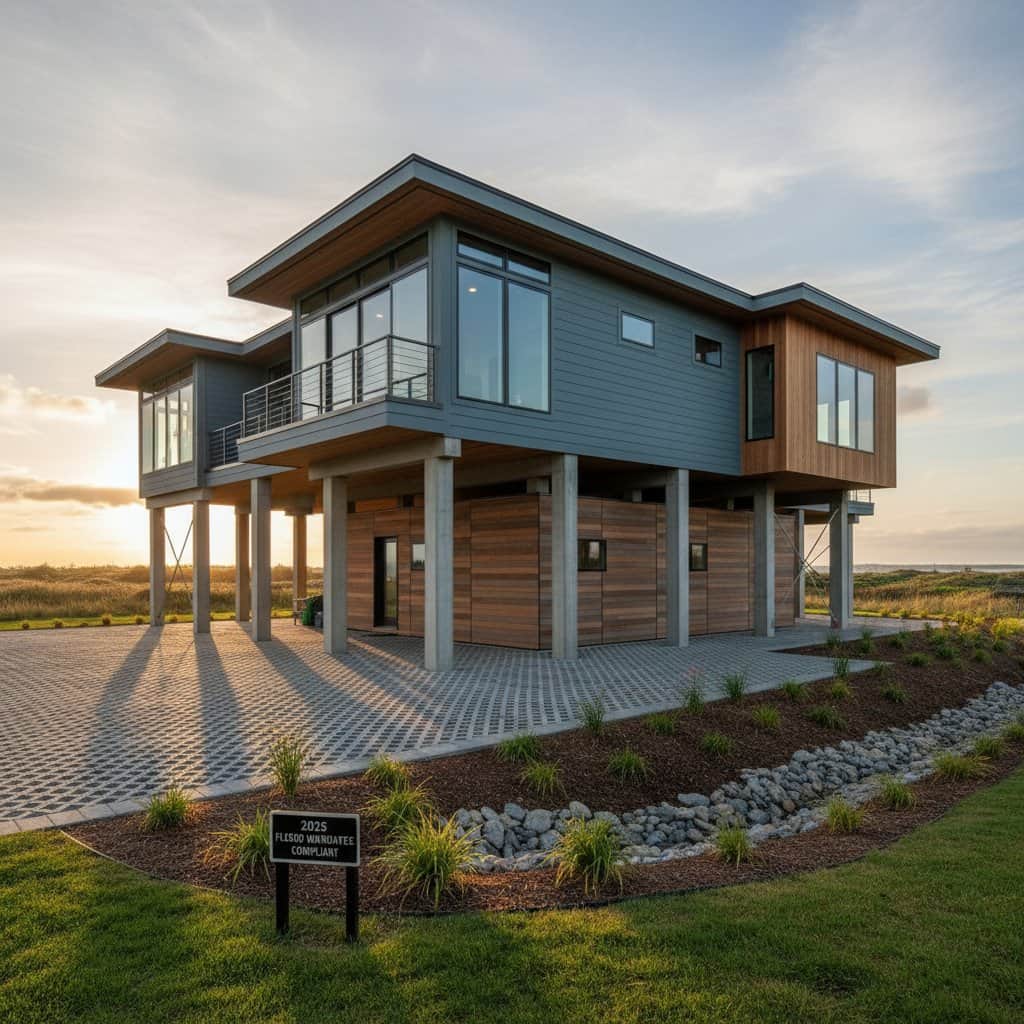
Upcoming 2025 flood regulations elevate building standards and associated expenses. Strategic choices, such as higher foundations, durable materials, and enhanced drainage, reduce insurance rates while enhancing property resilience. Elevation exceeds mere regulatory adherence; it delivers security, financial benefits, and tranquility amid increasing flood risks.
Navigating the sale of your current home while constructing a custom one presents financial challenges. Bridge loans provide short-term financing to support land purchases, deposits, and construction timelines. In 2025, favorable rates and structured options enable builders to maintain momentum without unnecessary delays.
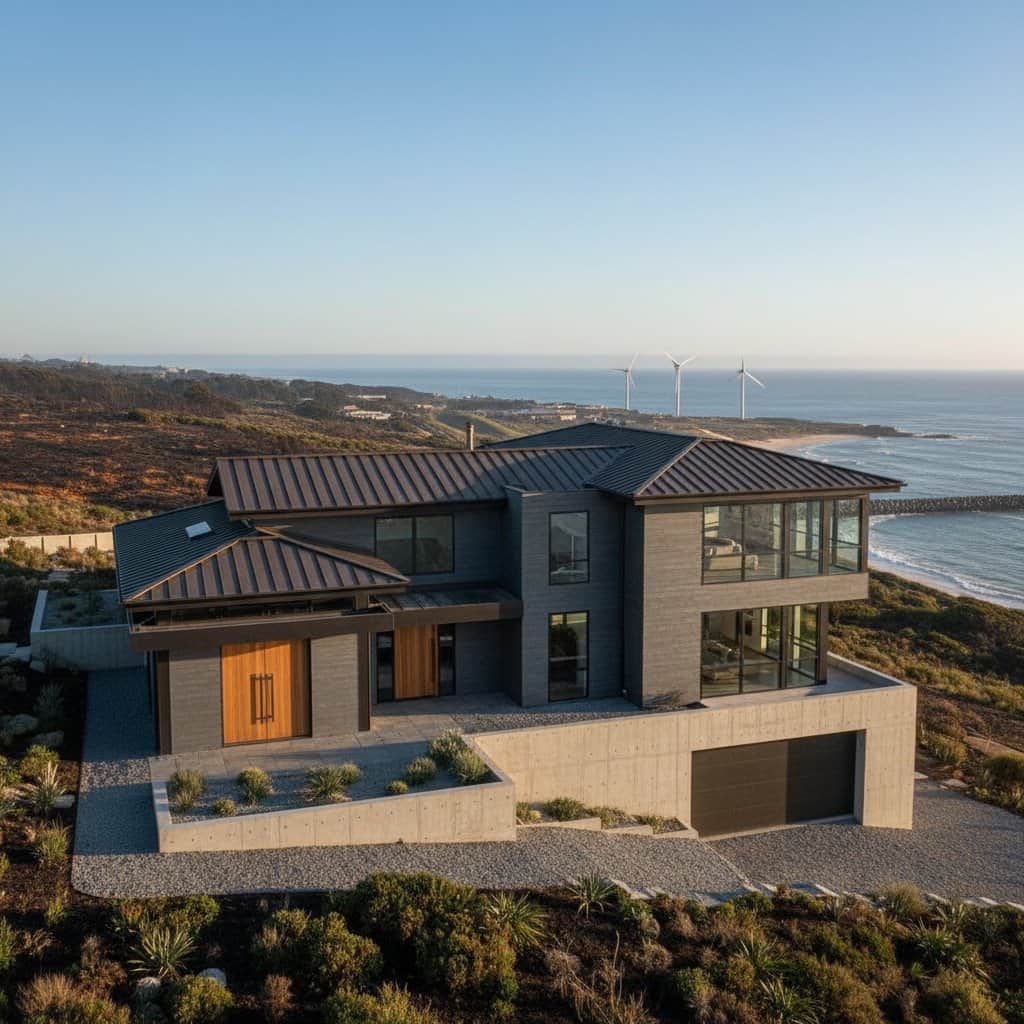
Learn about key building materials such as fiber cement siding, insulated concrete forms, metal roofing, impact-resistant windows, and fire-rated components. These options provide robust protection against wildfires and hurricanes while maintaining aesthetic appeal and energy efficiency for long-term home resilience.
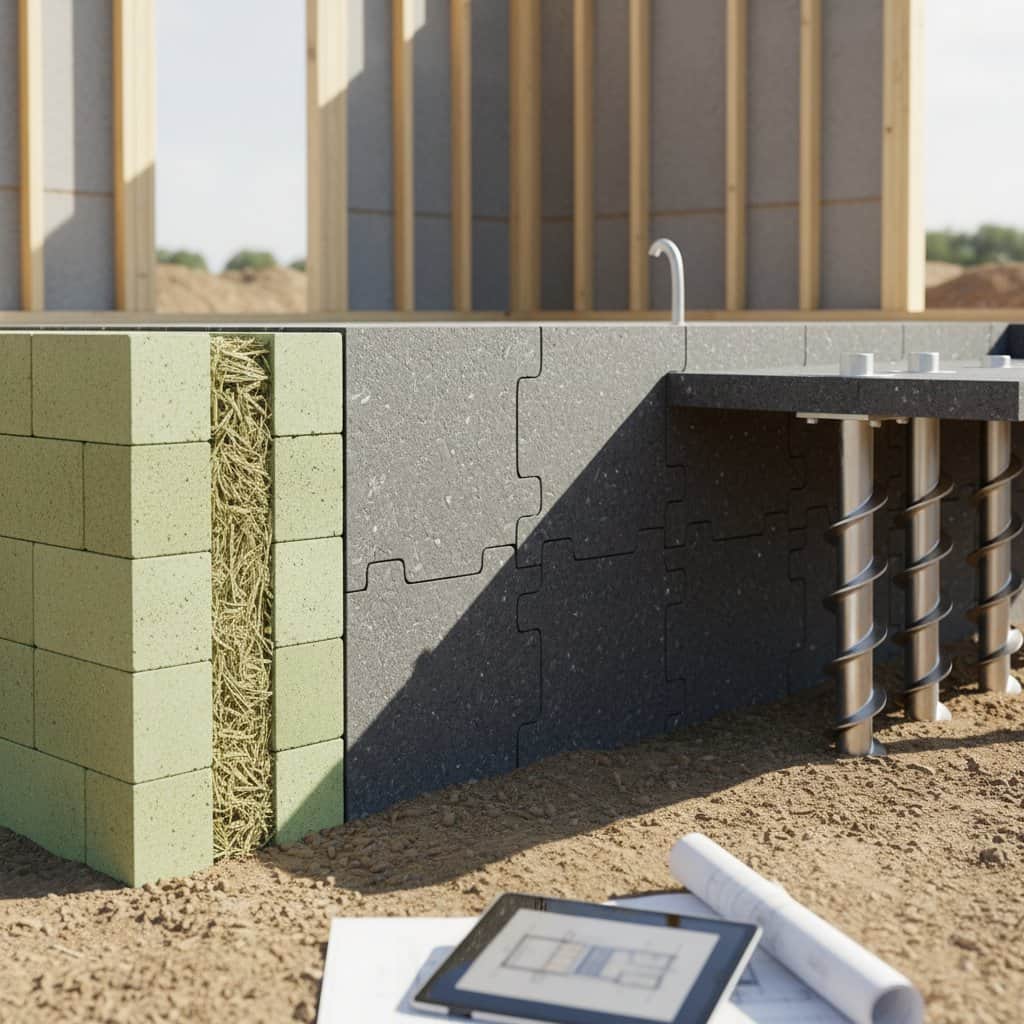
Innovative foundation materials including hempcrete, recycled plastic panels, and screw piles are revolutionizing construction in 2025. These options lower costs by up to 40 percent, accelerate installation, and minimize environmental impact, offering durable and sustainable solutions for homeowners, small-scale builders, and developers.
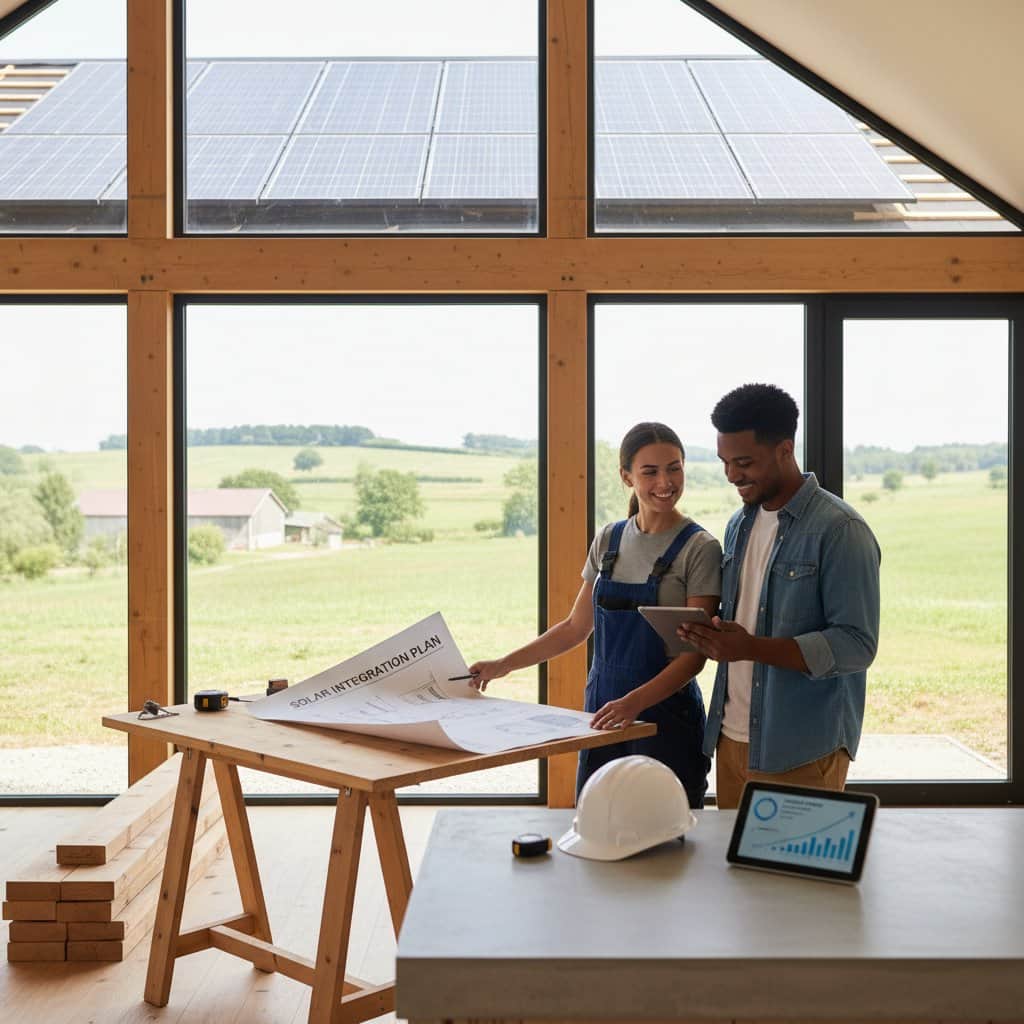
From 2025, USDA construction loans integrate solar financing for rural homes, offering single-close simplicity, no down payment options, and immediate energy savings to foster affordable, eco-friendly builds.
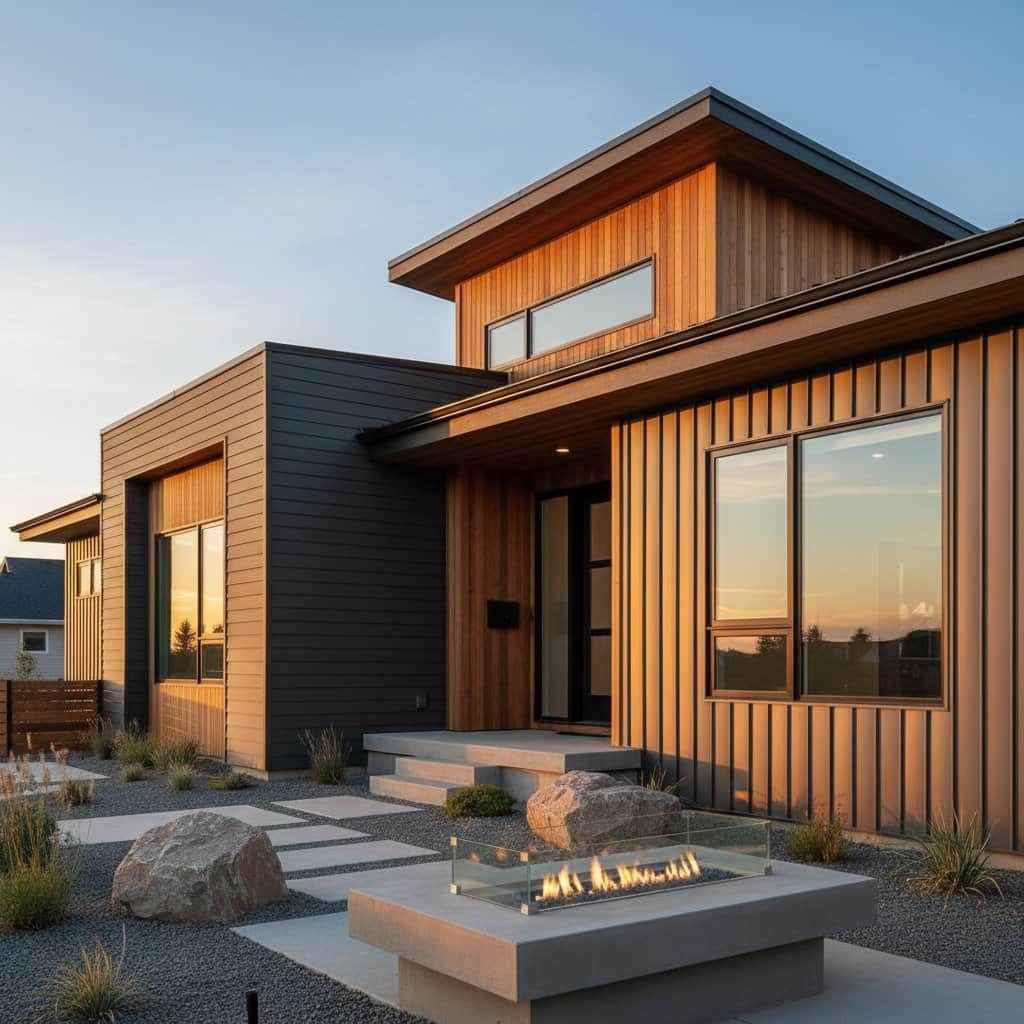
Twelve states mandate fire-resistant siding for new residential construction beginning in 2025, favoring materials such as fiber cement, metal, and treated wood. These choices not only mitigate wildfire risks but also yield insurance discounts, elevate property values, and preserve aesthetic appeal, positioning them as a prudent investment for homeowners.
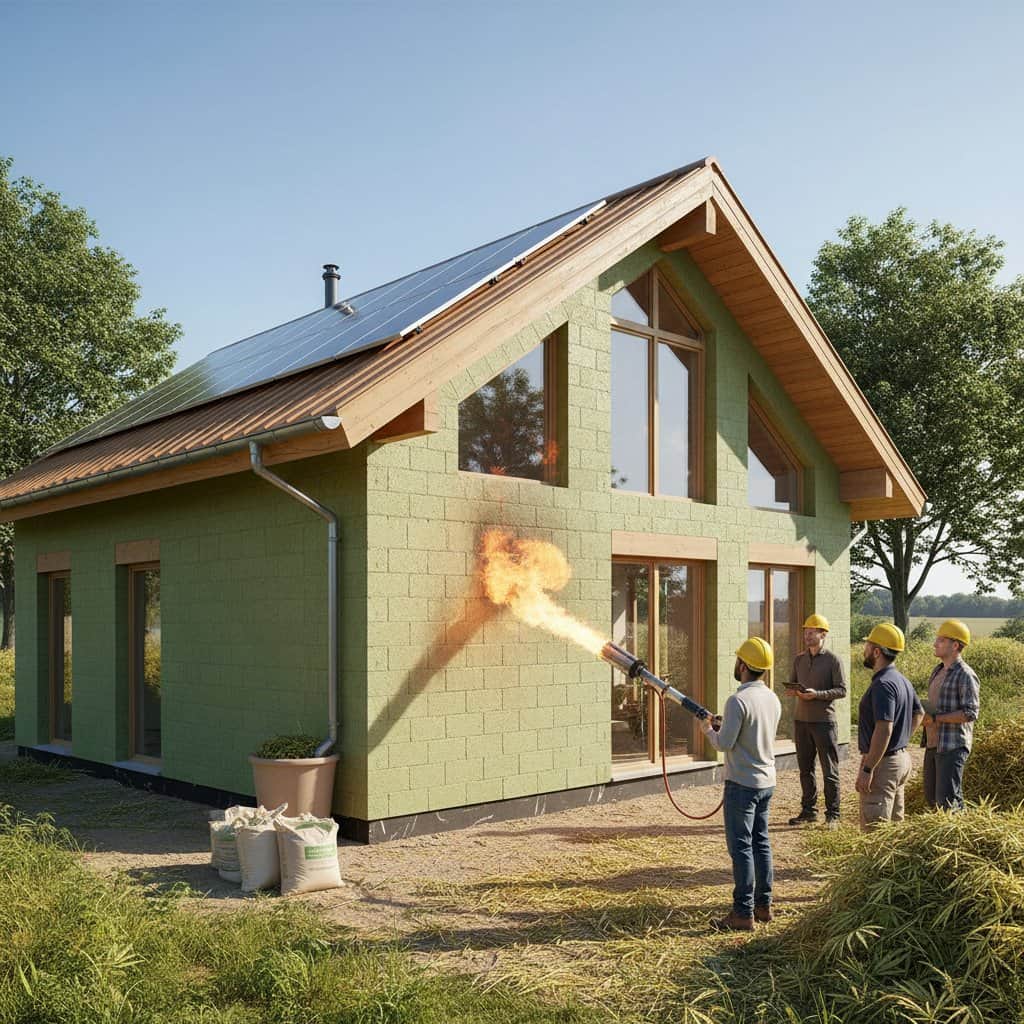
Hempcrete walls represent a transformative approach to home construction in 2025. Composed of hemp, lime, and water, these walls provide exceptional fire resistance, natural insulation, and carbon sequestration benefits. Proper installation ensures homes that are safer, more comfortable, and environmentally responsible, ultimately lowering long-term costs.
With construction loan rates declining in 2025, timing your rate lock decision is crucial for budget stability. Locking early shields against potential increases, while strategic waiting may yield lower rates. This guide covers float-down provisions, timeline considerations, lender comparisons, and steps to achieve financial security in your build.
Hempcrete and mycelium emerge as innovative substitutes for concrete in sustainable building practices. These renewable materials provide breathability, effective moisture regulation, and enhanced insulation while minimizing environmental impact. Builders and homeowners alike benefit from structures that promote well-being and align with ecological responsibility.
© 2026 Multi HB. All rights reserved.